Best overall: a moisturizing facial for dry, mature skin. Best for texture-focused treatment: SkinPen microneedling. Best for surface smoothness: dermaplaning. The best anti-aging facials for mature skin in 2026 address your main concern without treating every wrinkle, dry patch, and dark spot as the same problem.
- Choose a moisturizing facial for mature skin when dryness and comfort matter more than intensive resurfacing.
- SkinPen microneedling targets texture; chemical peels address selected surface concerns, with different risks and recovery needs.
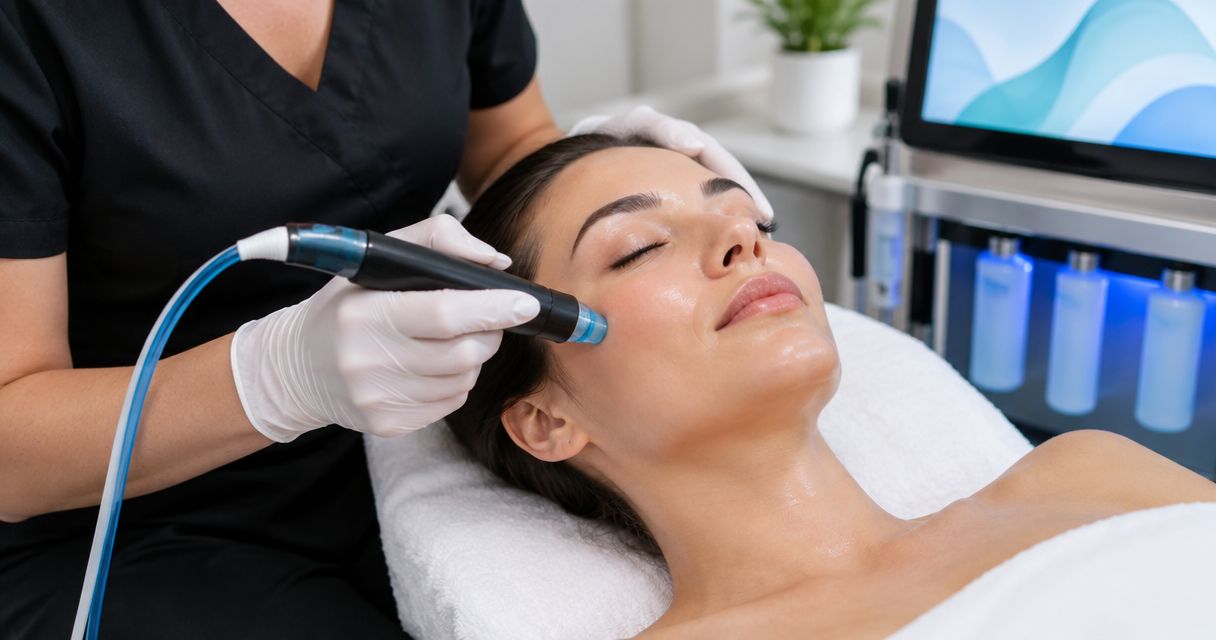
- Hydrafacials suit cleansing and hydration goals; dermaplaning removes surface buildup and fine facial hair.
- Bonnie Frances Skin offers these treatment categories in Phoenix; choose after a skin assessment, not by the anti-aging label.
Why this matters
Mature skin is not one skin type. You can have dryness alongside clogged pores, uneven pigmentation alongside sensitivity, or fine lines alongside acne. Age alone does not identify the right treatment.
A facial that makes dry skin look smoother is not doing the same job as a procedure intended to improve texture over time. Distinguish a temporary surface effect from a longer-term treatment goal before booking. Neither result means a facial reverses aging or replaces treatment for significant skin laxity.
Bonnie Frances Skin offers facials, hydrafacials, dermaplaning, SkinPen microneedling, and chemical peels in Phoenix. Those options belong in different decision categories, not a single ladder from weak to strong. Your skin assessment should determine which category fits.
What makes the best anti-aging facial for mature skin?
Use these criteria to compare anti-aging facials in 2026. A treatment earns its place by matching a concern and an acceptable recovery burden, not by having the most steps.
- Concern fit: Distinguish dryness, surface roughness, pigmentation, and deeper texture changes. They need different approaches.
- Barrier comfort: Assess existing irritation, tightness, or sensitivity before adding exfoliation or a procedure that disrupts the skin.
- Recovery fit: Ask what redness, peeling, tenderness, and aftercare the proposed treatment involves. Fit recovery around your actual calendar.
- Skin-history fit: Disclose medications, recent procedures, skin conditions, previous reactions, and a history of pigment changes.
- Realistic benefit: Separate immediate softness or brightness from changes that require healing and follow-up assessment.
- Maintenance fit: Choose a treatment you can support with gentle home care and sun protection, rather than relying on occasional appointments alone.
Anti-aging facials at a glance: 2026 picks
These recommendations compare treatment categories, not identical services. A chemical peel varies by formulation and depth; a facial varies by its steps. Confirm the exact protocol before agreeing to treatment.
| Treatment | Best for | Standout feature | Key limitation |
|---|---|---|---|
| Moisturizing facial | Dryness and comfort | Hydration-focused care without choosing an intensive procedure | Does not substantially correct deeper wrinkles or laxity |
| SkinPen microneedling | Texture-focused treatment | Controlled skin punctures initiate a healing response | Requires recovery and careful screening |
| Hydrafacial | Cleansing with hydration | Combines cleansing, exfoliation, and hydration | Surface results do not equal structural wrinkle correction |
| Chemical peel | Selected pigmentation and surface roughness | Chemical exfoliation tailored through formulation and depth | Irritation and pigment changes are important risks |
| Dermaplaning | Fine facial hair and surface smoothness | Removes vellus hair and superficial dead skin | Does not stimulate the same response as microneedling |
1. Moisturizing facial: best for dry, mature skin
A moisturizing facial prioritizes cleansing and hydration rather than intensive resurfacing. The exact products and steps vary, so ask whether exfoliation, fragrance, extractions, or other potentially irritating elements are included. Dry skin needs a suitable protocol, not simply a service labeled gentle.
Best for: Mature skin whose main concerns are dryness, tightness, and a rough surface feel, provided there is no active condition that needs medical assessment.
A moisturizing facial is the default recommendation because it addresses a common concern without making deeper wrinkle correction the goal. Hydration can make dehydration-related lines look less pronounced, but that is different from changing persistent wrinkles.
Bonnie Frances Skin offers facials; ask which facial protocol matches your dryness and sensitivity rather than assuming every facial has the same steps.
Moisturizing facial pros:
- Prioritizes comfort and moisture rather than aggressive exfoliation.
- Fits a surface-softness goal without promising structural change.
- Provides an opportunity to review irritating home-care habits.
Moisturizing facial cons:
- Does not substantially improve deeper wrinkles or loose skin.
- Products and optional steps still have the potential to irritate reactive skin.
Verdict: Buy for dryness-focused care after confirming the protocol; skip it as a solution for deeper wrinkles.
2. SkinPen microneedling: best for texture-focused treatment
SkinPen microneedling uses fine needles to create controlled punctures in the skin. Microneedling initiates a healing response and is used for selected texture concerns. It is a procedure, not a moisturizing facial with an extra step.
Best for: Adults seeking assessment for texture concerns who accept recovery and can follow procedure-specific aftercare.
Ask which concern the proposed procedure is intended to address and whether that use fits the device's labeling. A discussion about microneedling should include your medical and skin history, not just a promise of collagen production.
Bonnie Frances Skin offers SkinPen microneedling. Before choosing it, discuss active breakouts, infections, medications, abnormal scarring history, and any tendency toward pigment changes with the treating professional.
SkinPen microneedling pros:
- Addresses a different goal from simple surface hydration.
- Provides a procedure-based option for suitable texture concerns.
- Allows treatment planning around healing and follow-up assessment.
SkinPen microneedling cons:
- Redness, discomfort, and recovery requirements make it unsuitable as a casual last-minute facial.
- Infection, scarring, and pigment changes are risks that require screening and proper technique.
Verdict: Hold until a qualified assessment confirms suitability and explains recovery.
3. Hydrafacial: best for cleansing with hydration
A hydrafacial combines cleansing, exfoliation, and hydration in a device-based treatment. The protocol and products matter, especially when mature skin is also sensitive. Ask how exfoliation and extraction will be adjusted to your skin rather than treating the service name as a complete description.
Best for: Mature skin with a combined goal of cleansing and hydration, rather than a primary goal of correcting deeper wrinkles.
This option occupies the middle ground between a hydration-focused facial and a more involved resurfacing procedure. That does not mean it is automatically suitable for everyone. Active irritation, fragile skin, and particular skin conditions change the decision.
Choose it because you want the stated surface-care steps, not because a longer menu of add-ons sounds more effective. Each additional step should have a clear purpose.
Hydrafacial pros:
- Combines cleansing and hydration in the same treatment category.
- Addresses surface-care goals without requiring microneedling.
- Makes it easy to discuss separate cleansing, exfoliation, and hydration needs.
Hydrafacial cons:
- Immediate smoothness or brightness does not establish lasting wrinkle improvement.
- Exfoliating ingredients and suction-based steps still require a sensitivity assessment.
Verdict: Buy for cleansing and hydration if the protocol suits your skin; skip it for a skin-tightening goal.
4. Chemical peel: best for selected uneven tone and roughness
A chemical peel applies a solution that exfoliates the skin at a depth determined by its formulation and use. Superficial and deeper peels are not interchangeable. The phrase chemical peel alone does not tell you the expected intensity, recovery, or suitability.
Best for: People seeking assessment for selected pigmentation concerns or surface roughness who understand the proposed peel and its aftercare.
Do not choose a peel by assuming stronger means better. A treatment plan should account for skin tone, current irritation, recent treatments, medications, and previous pigment reactions. Persistent or changing pigmented lesions need medical assessment rather than a cosmetic attempt to fade them.
Ask which concern the peel addresses and how progress will be judged after healing. Evaluate the recovered skin, not the amount of visible peeling.
Chemical peel pros:
- Offers targeted exfoliation for appropriate surface concerns.
- Includes different formulations and depths rather than one fixed intensity.
- Provides an alternative when the main concern is uneven tone rather than facial hair.
Chemical peel cons:
- Irritation and post-inflammatory pigment changes are recognized risks.
- Aftercare and recovery depend on the specific peel; the category name gives no reliable timetable.
Verdict: Hold until the peel formulation, goal, and recovery plan are clear.
5. Dermaplaning: best for fine facial hair and surface smoothness
Dermaplaning uses a blade to remove fine facial hair and superficial dead skin. Its main contribution is at the surface. It does not perform the same job as microneedling or a deeper resurfacing treatment.
Best for: People whose main concerns are peach fuzz and surface feel, with skin suitable for blade-based exfoliation.
Choose dermaplaning for what it removes, not for a broad promise of rejuvenation. Removing fine hair can change how skin feels and how makeup sits, but it does not correct skin laxity or deeper wrinkles.
Active acne, irritated areas, and other skin conditions deserve assessment before treatment. Adding a peel immediately afterward is not automatically a better choice; the combined exfoliation needs its own suitability check.
Dermaplaning pros:
- Directly addresses fine facial hair.
- Removes superficial dead skin in the same procedure.
- Has a clear, surface-focused purpose that is easy to distinguish from texture remodeling.
Dermaplaning cons:
- Results do not amount to deeper wrinkle correction.
- Cuts, irritation, and infection are risks of blade-based treatment.
Verdict: Buy for peach fuzz and surface smoothness after screening; skip it for deeper texture remodeling.
How these treatments rank
The 2026 ranking follows concern fit, barrier comfort, recovery, skin history, realistic benefit, and maintenance. A moisturizing facial is the default for dryness-focused care; the other treatments take distinct slots because they serve different goals.
The right treatment is the least intensive option that appropriately addresses your concern. This is a decision guide, not a claim that every protocol within a category produces the same result. Provider assessment and the actual treatment steps determine suitability.
Which anti-aging facial should you choose?
Bonnie Frances Skin is best for Phoenix clients seeking an assessment of anti-aging facial options rather than choosing a procedure by its name alone. If you are undecided in 2026, start by naming your main concern and asking which offered treatment addresses it.
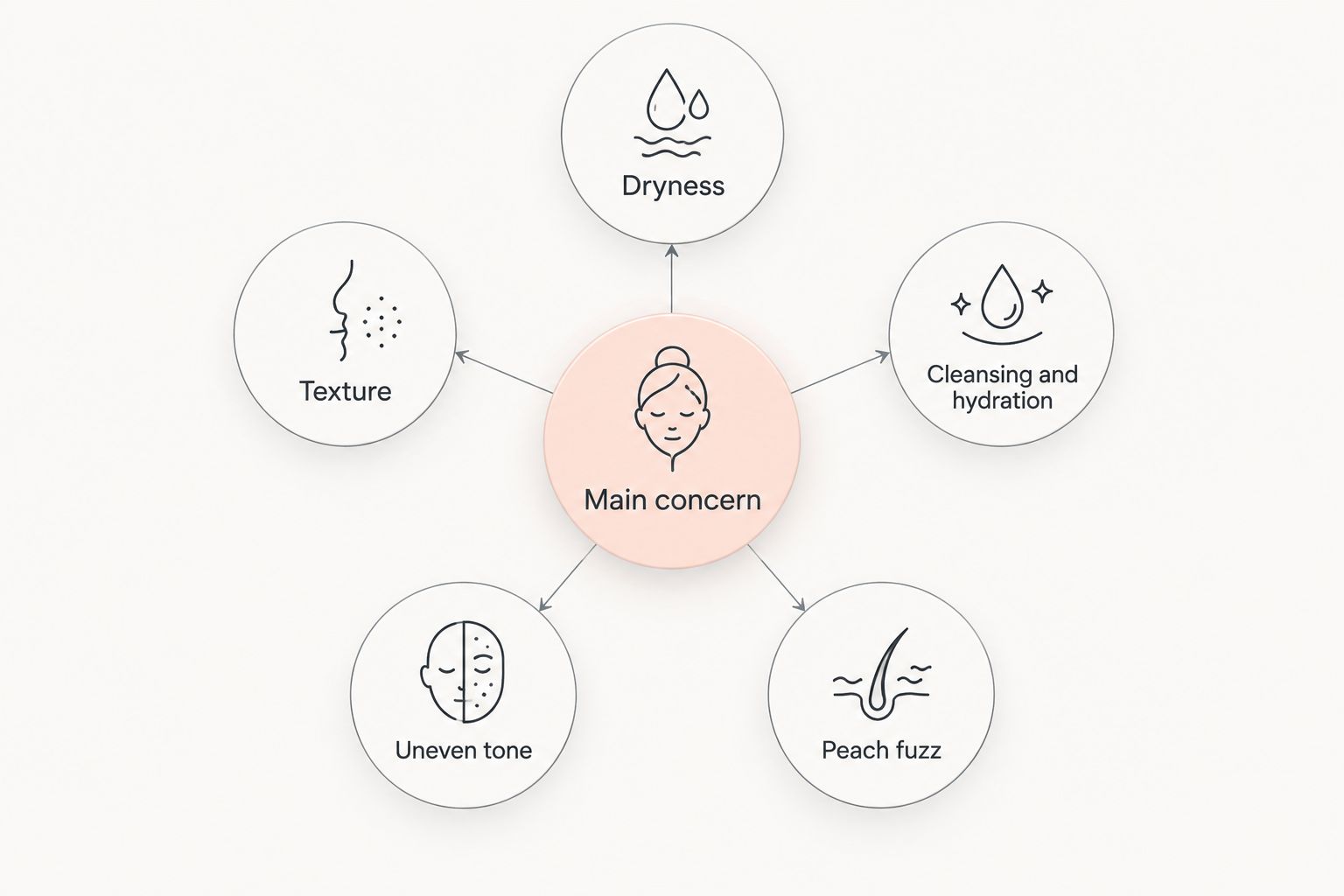
Use this shortlist to prepare for that discussion:
- Dryness: Ask about a moisturizing facial and whether its steps suit sensitive skin.
- Texture: Ask whether SkinPen microneedling fits the specific concern and your history.
- Cleansing and hydration: Ask about the hydrafacial protocol and its exfoliation steps.
- Uneven tone: Ask whether a chemical peel is appropriate before choosing a formulation.
- Peach fuzz: Ask about dermaplaning without expecting deeper wrinkle correction.
Bring your current skincare routine and tell the treating professional about recent procedures. Do not independently stop prescribed medication or combine exfoliating treatments because an appointment is approaching. Get individualized preparation and aftercare instructions.
FAQ
What's the best anti-aging facial for mature skin in 2026?
A moisturizing facial is the default choice when dryness and comfort are the main concerns. SkinPen microneedling, hydrafacials, chemical peels, and dermaplaning serve different goals, so choose after a skin assessment.
Is a hydrafacial better than microneedling for mature skin?
A hydrafacial is better matched to cleansing and hydration goals; microneedling is a procedure for suitable texture concerns. Neither is universally better, and microneedling requires a separate discussion of risks and recovery.
Can an anti-aging facial remove deep wrinkles?
A routine facial does not remove deep wrinkles. Hydration can soften the appearance of dehydration-related lines, but persistent wrinkles and significant laxity require a different assessment.
Is a chemical peel safe for sensitive mature skin?
Sensitive skin needs an individualized assessment before a chemical peel. Suitability depends on the skin condition, formulation, depth, medications, and previous reactions rather than age alone.
Does dermaplaning make facial hair grow back thicker?
Dermaplaning does not change the hair follicle or make hair grow back thicker. It cuts hair at the surface, and regrowth does not mean the follicle has changed.
How often should I get an anti-aging facial?
Treatment frequency should follow the specific protocol and your skin's response. A moisturizing facial, chemical peel, and microneedling procedure do not share a universal schedule.
Where can I discuss anti-aging facials in Phoenix?
Bonnie Frances Skin offers facials, hydrafacials, dermaplaning, SkinPen microneedling, and chemical peels in Phoenix. Ask which option fits your primary concern, skin history, and tolerance for recovery.
One last thing
Do not judge a facial by how much your skin tingles, reddens, or peels. Those sensations do not prove better results. Judge the treatment against the concern you agreed to address, after the relevant recovery period.
Protect that plan with ordinary sun care. The American Academy of Dermatology recommends broad-spectrum, water-resistant sunscreen with SPF 30 or higher, applied 15 minutes before going outdoors and reapplied every 2 hours outdoors, as well as after swimming or sweating. Follow any additional procedure-specific instructions from your treating professional.
For your 2026 treatment plan, choose one clear goal before adding more procedures. Comfort, surface smoothness, pigmentation, and deeper texture are different outcomes. A useful appointment starts with that distinction.