Best overall: diagnosis-led topical care with daily sun protection; best procedural option for selected superficial dark spots: chemical peels; best for acne-scar texture: microneedling after a clinical assessment. Bonnie Frances Skin is a Phoenix option for clients seeking chemical peels and SkinPen microneedling, but the right treatment depends on what caused the discoloration.
- The best skin treatments for hyperpigmentation Phoenix residents choose depend on whether discoloration is melasma, post-acne marks, or sun damage.
- Topical care and sun protection are the foundation; chemical peels address selected superficial pigmentation.
- Bonnie Frances Skin offers chemical peels and SkinPen microneedling in Phoenix.
- Microneedling targets acne-scar texture; Hydrafacial is not a substitute for pigment-directed treatment.
Why this matters
Hyperpigmentation describes darker patches of skin, not a single diagnosis. Post-inflammatory hyperpigmentation follows inflammation or injury; melasma produces patches influenced by factors including sunlight and hormones; sun-related spots need assessment before cosmetic treatment.
That distinction changes your treatment choice. A procedure selected for acne scars is not automatically appropriate for melasma, and irritation from an overly aggressive routine can create more discoloration.
For your 2026 treatment plan, identify the cause before choosing the procedure. Bonnie Frances Skin offers several skin treatments, but a suspicious or changing spot belongs with a dermatologist rather than in a cosmetic treatment plan. A consultation should establish which concerns fall within the provider's scope and which need medical evaluation.
What makes the best treatment for hyperpigmentation?
Use these criteria to compare treatments rather than choosing the most intensive option:
- Diagnosis fit: Match the treatment to melasma, post-inflammatory marks, or clinically assessed sun-related pigmentation.
- Pigment depth: Surface exfoliation and treatment of deeper skin concerns are not interchangeable.
- Skin-tone safety: Ask about experience treating your skin tone and managing post-inflammatory hyperpigmentation.
- Barrier tolerance: A treatment should account for dryness, sensitivity, active inflammation, and your current skincare routine.
- Recovery fit: Understand aftercare restrictions before scheduling around outdoor work, exercise, or travel.
- Maintenance: Choose a plan that includes sun protection and home care, not just an isolated appointment.
An option that scores well on these criteria is a better choice than one promoted solely through before-and-after photographs. Ask what those photographs show: the same diagnosis, a comparable skin tone, and a treatment approach relevant to you.
Hyperpigmentation treatments at a glance for 2026
| Treatment | Best for | Standout feature | Key limitation |
|---|---|---|---|
| Topical care and sun protection | A foundation for diagnosed pigmentation | Combines pigment-directed care with exposure prevention | Requires consistency; irritation can worsen discoloration |
| Chemical peels | Selected superficial dark marks | Controlled chemical exfoliation | Unsuitable selection or intensity can trigger more pigmentation |
| Microneedling | Acne scars with uneven texture | Addresses scar-related texture | Not the default treatment for melasma or isolated dark spots |
| Dermatologist-selected laser or light treatment | Selected, diagnosed sun-related spots | Targets particular pigment concerns | Suitability depends on diagnosis, device, and skin tone |
| Hydrafacial | Hydration alongside a separate pigment plan | Combines cleansing, exfoliation, and hydration | Does not replace diagnosis-led pigmentation care |
These are use-case rankings, not a claim that every reader should progress from topical care to a procedure. Some people need medical treatment rather than any cosmetic service on this list.
1. Topical care: best for a consistent pigmentation foundation
Topical treatment applies ingredients to the skin rather than treating it with a device. Depending on the diagnosis, a clinician can recommend options such as azelaic acid, retinoids, or prescription pigment-directed treatments. Sunscreen supports the plan by limiting ultraviolet exposure that contributes to pigmentation.
Start with a routine your skin tolerates. Adding several exfoliating or pigment-directed products together makes it harder to identify the cause of irritation and does not establish a better treatment plan.
Topical care pros:
- Supports a repeatable home-care routine.
- Allows treatment selection to match the diagnosis.
- Works alongside appropriately selected professional treatments.
Topical care cons:
- Requires continued use rather than a single appointment.
- Some ingredients cause dryness or irritation.
- Prescription options require medical guidance, and pregnancy changes which ingredients are appropriate.
Best for: People starting treatment for diagnosed pigmentation or maintaining a professional treatment plan.
Ask which ingredient targets your concern, which product protects the skin barrier, and which products should not be combined. If you are pregnant or trying to conceive, review the routine with your medical clinician before using retinoids or other treatment ingredients.
Verdict: Buy into a diagnosis-led routine first; skip the stack of unrelated brightening products.
2. Chemical peels: best for selected superficial dark marks
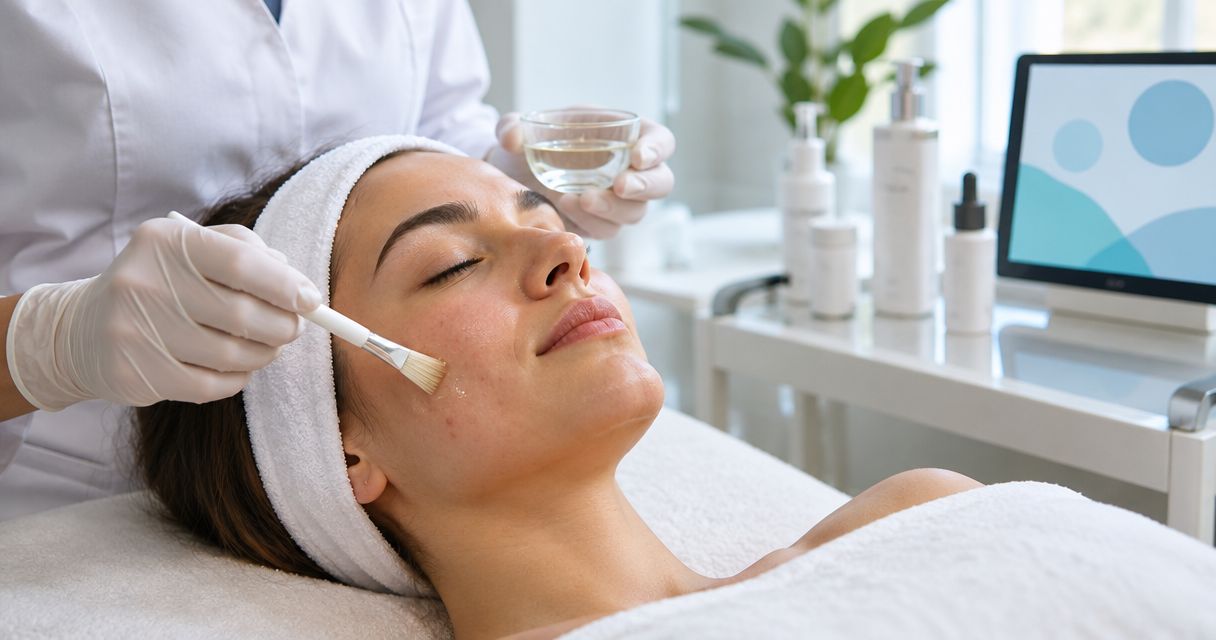
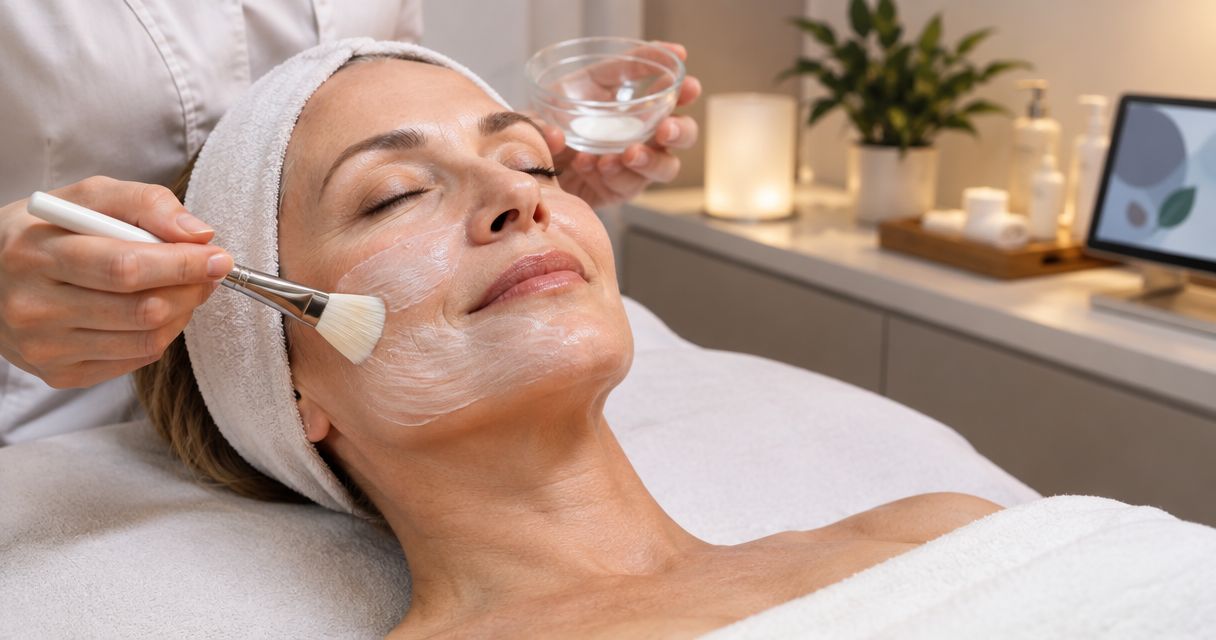
Chemical peels use an exfoliating solution to remove controlled layers of skin. Superficial peels can help selected forms of surface pigmentation, including post-inflammatory marks, but the acid, strength, and application must fit the skin being treated.
Bonnie Frances Skin offers chemical peels in Phoenix. That makes the service relevant to this shortlist, not proof that a particular peel suits every case of hyperpigmentation.
Chemical peel pros:
- Addresses selected superficial pigment concerns.
- Can be incorporated into a broader home-care plan.
- Offers different treatment approaches depending on the clinical goal.
Chemical peel cons:
- Can cause irritation, peeling, and increased pigmentation.
- Requires specific preparation and aftercare.
- Does not remove the underlying triggers of melasma.
Best for: Clinically assessed superficial discoloration in skin suitable for the proposed peel.
Before agreeing to treatment, ask which peel is proposed and why. Request an explanation of the expected recovery, the products you must pause, and the signs that should prompt a call to the provider.
A stronger peel is not automatically a better peel. For pigment-prone skin, treatment intensity must account for the risk that inflammation creates the very discoloration you want to reduce.
Verdict: Hold until the provider identifies your pigment pattern and explains the peel selection.
3. Microneedling: best for acne scars with uneven texture
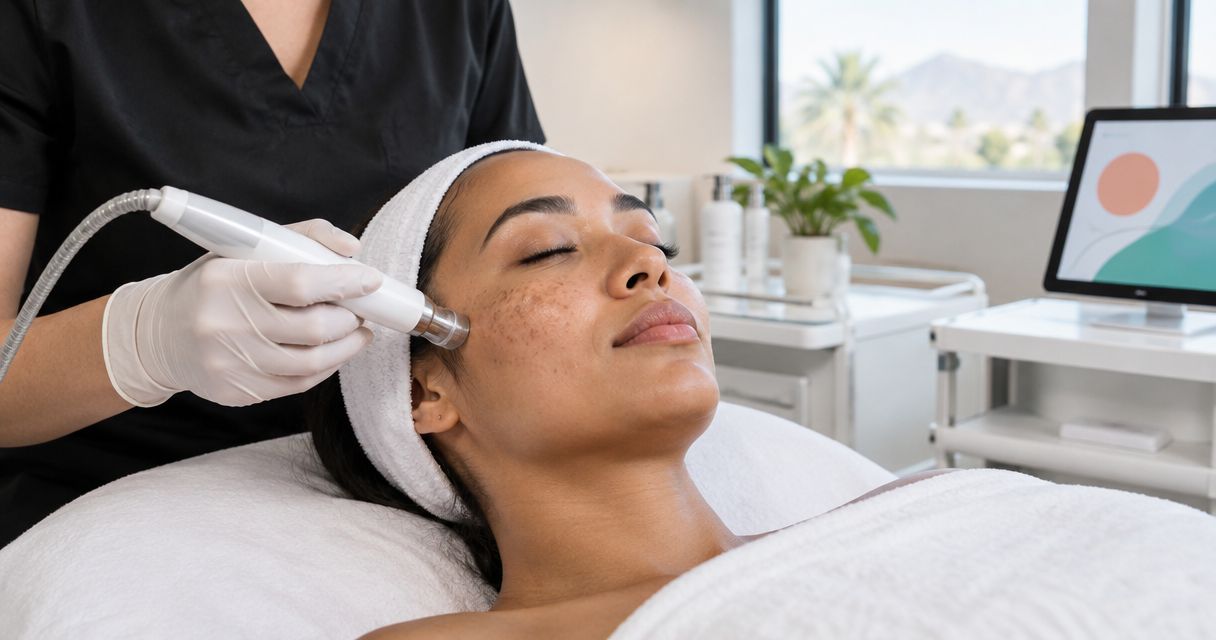
Microneedling creates controlled punctures in the skin and is used to address concerns including acne-scar texture. It belongs in this comparison because dark post-acne marks and depressed acne scars often get grouped together, even though they require different treatment decisions.
SkinPen microneedling is among the clinic's stated services. Do not assume that the service is the best choice for flat brown marks simply because those marks followed acne.
Microneedling pros:
- Addresses scar-related texture rather than relying only on exfoliation.
- Separates a texture goal from a pigment-only goal.
- Supports a focused discussion about acne scarring.
Microneedling cons:
- Is not a default treatment for melasma.
- Causes controlled injury and requires aftercare.
- Can produce pigment changes or other complications when poorly selected or performed.
Best for: People whose primary concern is acne-scar texture, after an appropriate assessment.
Ask the provider to distinguish flat discoloration from indentations. Also disclose active breakouts, a history of abnormal scarring, relevant medications, and previous reactions to procedures.
If the concern is predominantly color, a pigment-directed plan deserves attention before a texture-focused procedure. Treating scars and treating dark marks are related goals, not identical ones.
Verdict: Hold for a scar-focused assessment; skip microneedling as an automatic answer to flat pigmentation.
4. Laser or light treatment: best for selected sun-related spots
Dermatologist-selected laser and light treatments can address particular pigment concerns. The device and treatment settings must match the diagnosis and skin tone; laser and intense pulsed light are not interchangeable labels for one procedure.
This category is included as a medical comparison option, not as a stated service at the clinic. Seek a qualified medical provider who can assess the spot before discussing treatment.
Laser or light treatment pros:
- Can target selected, diagnosed pigmented lesions.
- Allows device selection around a specific treatment goal.
- Provides an alternative when an assessed concern calls for more than surface exfoliation.
Laser or light treatment cons:
- Can cause burns and unwanted pigment changes.
- Is not universally suitable for melasma.
- Requires careful selection for darker skin tones.
Best for: Diagnosed sun-related spots that a medical provider considers appropriate for a specific device.
Ask for the device name, the reason it fits your diagnosis, and the provider's experience with your skin tone. A recommendation based only on the word pigmentation is incomplete.
Verdict: Hold for medical assessment; skip device shopping before the spot has a diagnosis.
5. Hydrafacial: best for hydration alongside a pigment plan
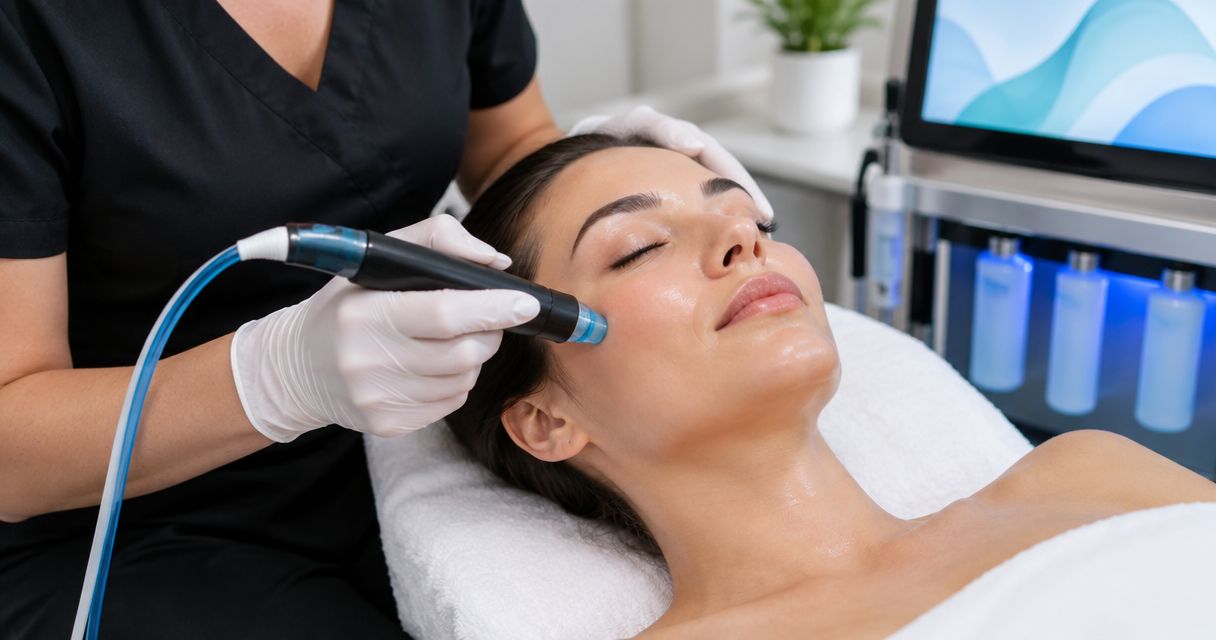
Hydrafacial combines cleansing, exfoliation, and hydration. Those functions make it relevant when dryness or surface buildup accompanies your skin concerns, but they do not establish it as the primary treatment for every type of hyperpigmentation.
Choose this option for a clearly defined supportive goal. If your main concern is melasma or persistent dark marks, ask what separate treatment addresses that concern.
Hydrafacial pros:
- Combines several facial-care steps in one service.
- Supports a hydration-focused appointment.
- Provides a distinct option when comfort and surface care are the immediate priorities.
Hydrafacial cons:
- Does not diagnose the cause of discoloration.
- Does not replace medical pigment-directed treatment.
- Exfoliation still needs adjustment for sensitive or irritated skin.
Best for: People prioritizing hydration while following a separate pigmentation plan.
Describe your current products and any recent procedures before the appointment. Ask whether the proposed exfoliation fits your skin's present condition, rather than assuming a facial is appropriate simply because it is less intensive than a peel.
Verdict: Hold as supportive care; skip it as your only plan for persistent pigmentation.
How to choose your next appointment
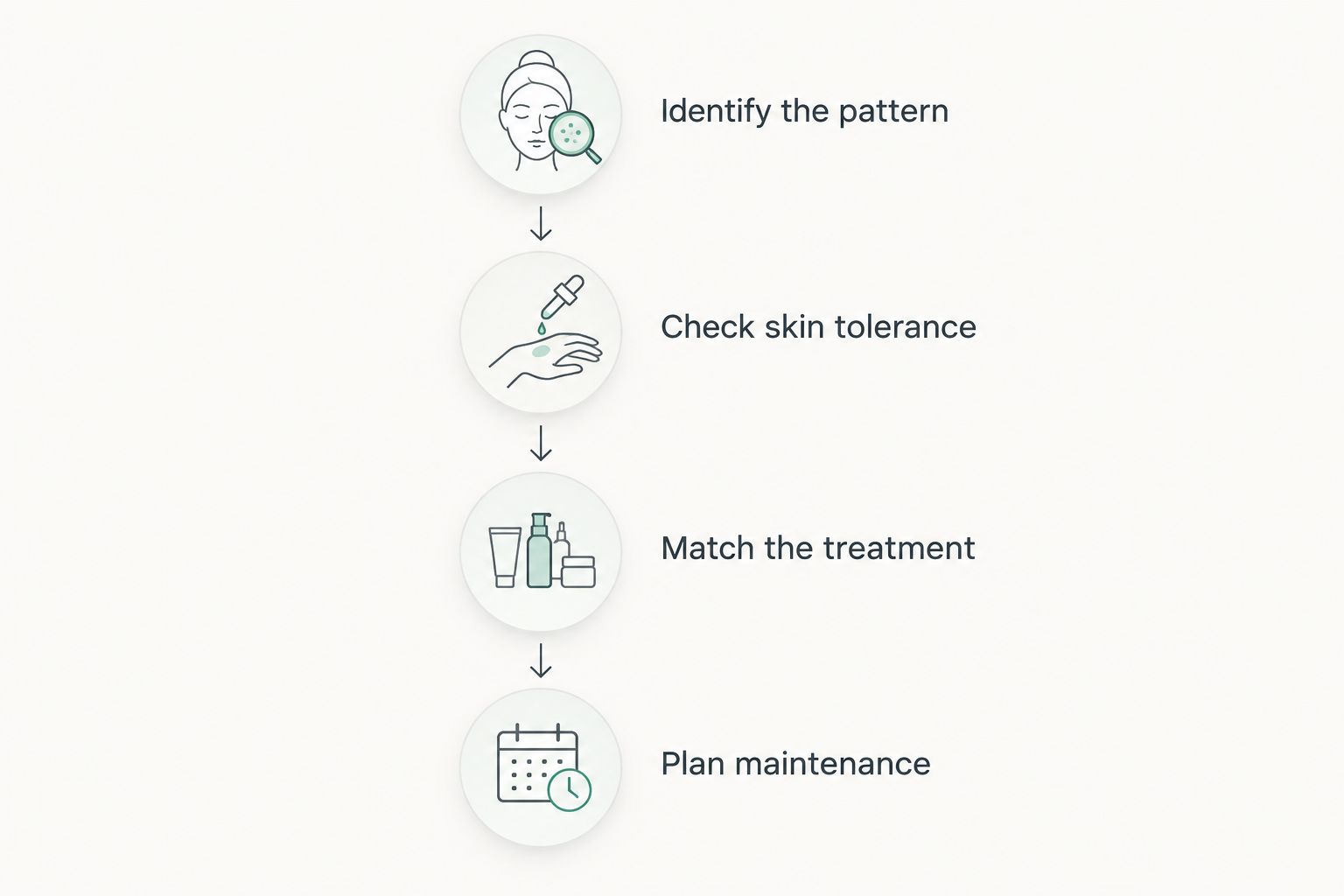
Use this sequence before committing to a procedure:
- Identify the pattern: Describe when the discoloration appeared, whether it follows breakouts, and whether it changes with sun exposure.
- Check skin tolerance: Share current products, recent irritation, medications, and previous treatment reactions.
- Match the treatment: Separate a color concern from a texture concern and ask why the recommendation fits.
- Plan maintenance: Establish sun protection and aftercare before the appointment.
The sequence prevents a common decision error: selecting a service name before identifying the problem. Bring your actual product list rather than a general description such as sensitive-skin routine.
Sun protection belongs in your 2026 treatment plan
The American Academy of Dermatology recommends broad-spectrum, water-resistant sunscreen with SPF 30 or higher, applied 15 minutes before going outdoors. Reapply approximately every 2 hours outdoors, and after swimming or sweating according to product directions.
Those are general sunscreen recommendations, not a clinic-specific protocol. Follow your treatment provider's aftercare instructions as well, including any restrictions on heat, exercise, exfoliation, or sun exposure.
For melasma, ask a dermatologist about tinted sunscreen containing iron oxides because visible light can contribute to pigmentation. Also use shade and protective clothing; sunscreen does not turn intentional tanning into safe aftercare.
Protect the treatment plan, not just the appointment day. A procedure cannot replace the daily habits that limit new pigment triggers.
How we ranked these treatments
This 2026 ranking prioritizes diagnosis fit, skin-tone safety, tolerance, and maintenance over treatment intensity. Topical care leads because it forms the foundation; peels take the superficial-pigment slot; microneedling takes the scar-texture slot.
Laser or light treatment remains a medically selected option, while Hydrafacial occupies a supportive hydration role. The order does not represent comparative testing or a guarantee of results.
Which treatment should you choose?
Choose diagnosis-led topical care and sun protection as the default starting point. Add a chemical peel only when the provider explains why it fits your pigmentation, and consider microneedling when acne-scar texture is the main concern.
Bonnie Frances Skin is a local option for Phoenix clients seeking chemical peels and SkinPen microneedling. If your spot is changing, symptomatic, or undiagnosed, choose a dermatology assessment before a cosmetic appointment.
Review your local treatment options
Explore the clinic offering chemical peels, SkinPen microneedling, and facials in Phoenix.
FAQ
What's the best skin treatment for hyperpigmentation in Phoenix in 2026?
The best starting point is diagnosis-led topical care and daily sun protection. Chemical peels suit selected superficial pigmentation, while acne-scar texture and medically assessed sun spots require different treatment decisions.
Are chemical peels better than microneedling for dark spots?
Chemical peels are more directly aligned with selected superficial pigmentation, while microneedling is used for concerns including acne-scar texture. A provider should distinguish flat dark marks from depressed scars before recommending either.
Can a Hydrafacial remove melasma?
Hydrafacial should not be treated as a stand-alone plan for melasma. Its cleansing, exfoliation, and hydration functions do not replace diagnosis-led care and protection from pigment triggers.
Is laser treatment safe for darker skin tones?
Laser safety depends on the device, settings, diagnosis, and provider's experience with your skin tone. Darker skin requires careful selection because treatment can cause unwanted pigment changes.
Does Bonnie Frances Skin offer hyperpigmentation-related treatments?
Bonnie Frances Skin offers chemical peels and SkinPen microneedling in Phoenix, alongside facials and hydrafacials. Whether a service fits your discoloration requires an assessment; the service list does not establish suitability for every pigmentation condition.
What sunscreen should I use while treating dark spots?
Use broad-spectrum, water-resistant sunscreen with SPF 30 or higher, following application and reapplication directions. For melasma, ask a dermatologist about tinted sunscreen containing iron oxides and combine sunscreen with shade and protective clothing.
When should I see a dermatologist instead of getting a facial?
See a dermatologist for a changing, bleeding, painful, or otherwise suspicious spot, and for discoloration that needs a medical diagnosis. Cosmetic treatment should not come before assessment of a potentially concerning lesion.
One last thing
In 2026, keep separate goals for color and texture. A flat brown post-acne mark and a depressed acne scar can occupy the same patch of skin, but improvement in one does not prove improvement in the other.
Before your appointment, write down which concern matters most. That simple distinction makes the treatment discussion more specific and prevents a texture-focused recommendation from being mistaken for a complete pigmentation plan.