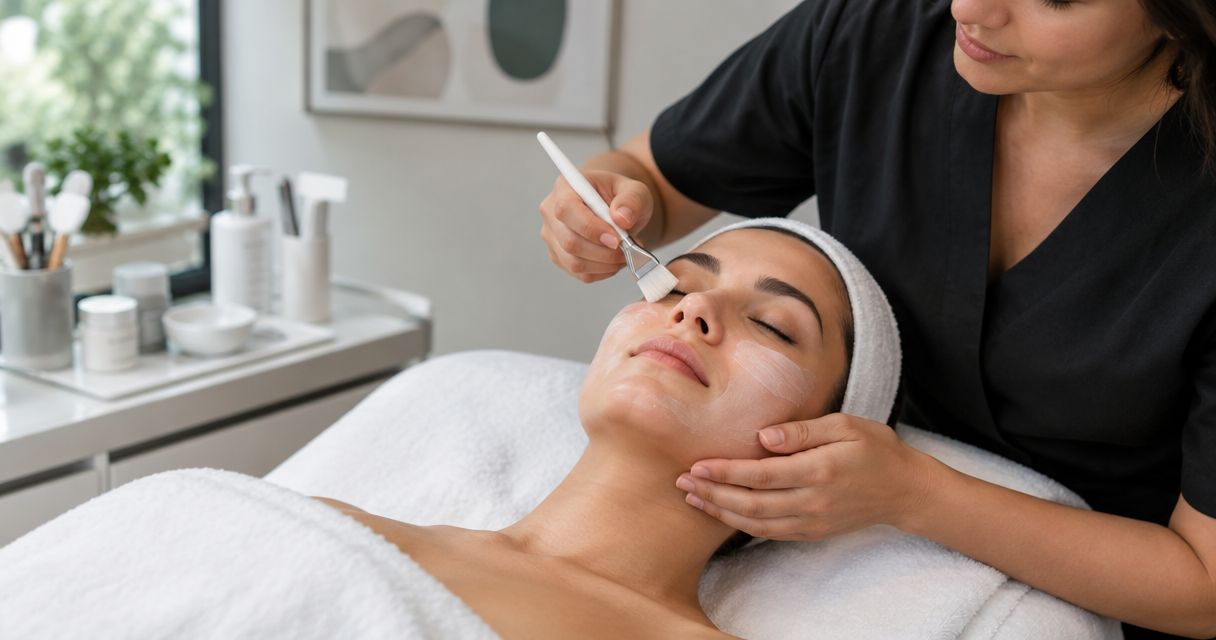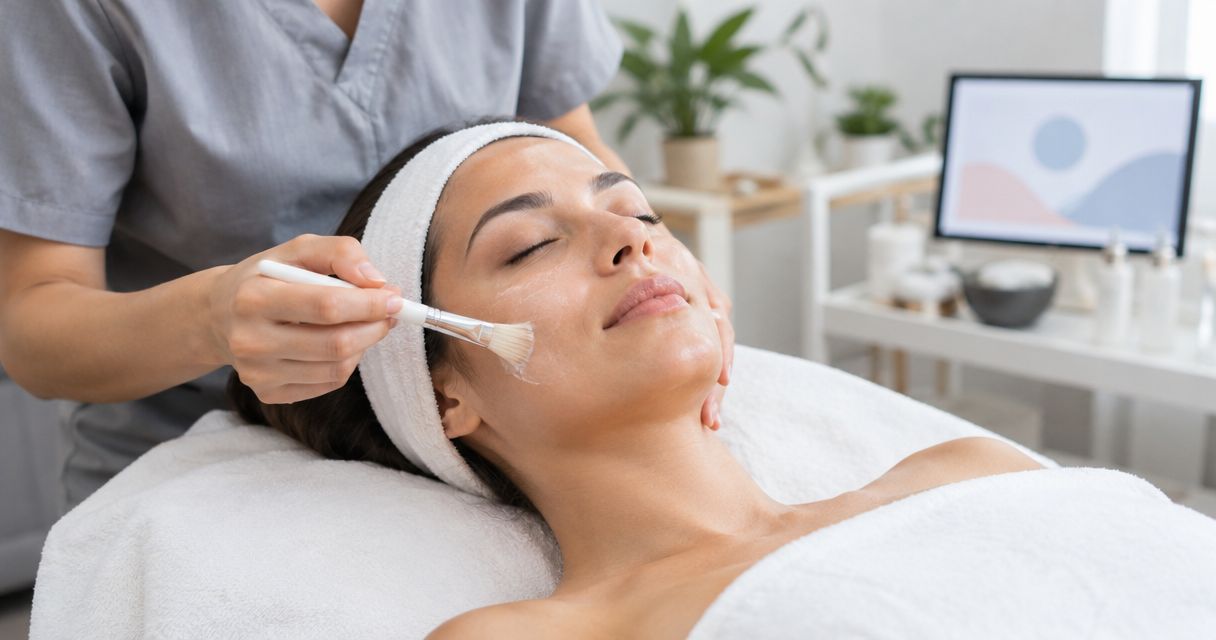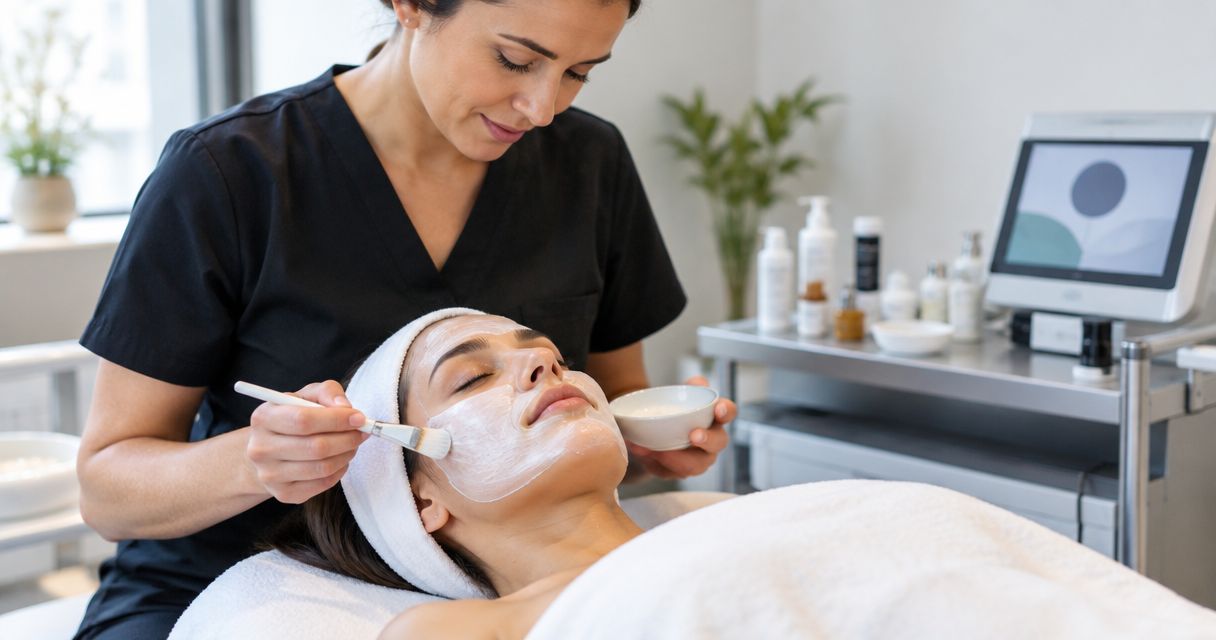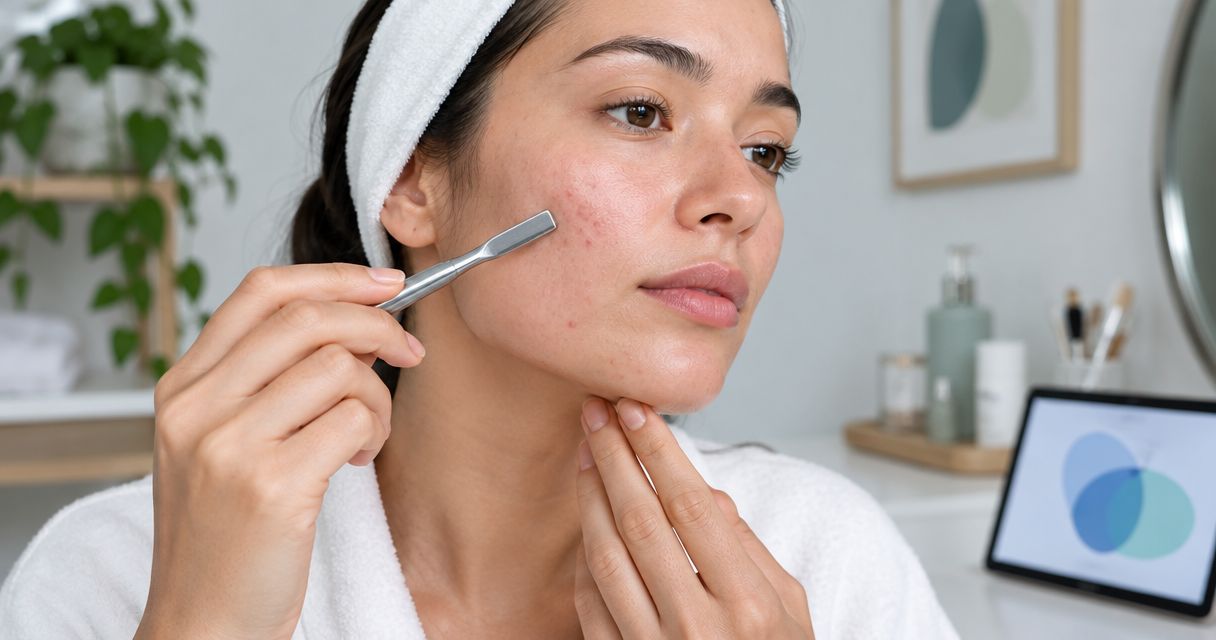
Dermaplaning can be appropriate for acne-prone skin when the skin is calm and intact, but you should postpone it during an active breakout. A blade can injure raised pimples and aggravate inflammation, so professional assessment matters more than whether your skin is generally oily or breakout-prone. Dermaplaning removes surface skin cells and fine facial hair; it does not treat the underlying causes of acne.
- Is dermaplaning safe for acne prone skin? Sometimes, but avoid treatment during active breakouts or irritation.
- Dermaplaning smooths the surface; it does not clear clogged pores or replace acne treatment.
- Bonnie Frances Skin offers professional dermaplaning in Phoenix; discuss current breakouts and acne medications before treatment.
- Choose a provider who assesses skin condition, explains contraindications, and gives individualized aftercare.
Why this matters in 2026
Acne-prone skin and active acne are not the same thing. You can have a history of breakouts without having inflamed lesions today. That distinction changes whether a surface-exfoliating procedure is appropriate.
Bonnie Frances Skin suits Phoenix clients seeking professional dermaplaning rather than an at-home procedure. You can explore the clinic’s skincare services through Bonnie Frances Skin, but a service listing alone does not establish that your skin is ready for treatment.
The practical question is not whether dermaplaning produces smoother skin. It is whether exfoliating your skin today creates more irritation than benefit. If your acne is worsening, treating the acne takes priority over removing facial hair or preparing your skin for makeup.
Is dermaplaning safe for acne-prone skin?
Dermaplaning is not suitable for every person with acne-prone skin. A qualified provider should assess active lesions, skin sensitivity, medication use, and recent treatments before deciding whether to proceed.
Use this comparison to frame that conversation, not to diagnose your skin yourself.
| Skin condition | Best next step | Potential benefit | Main limitation or risk |
|---|---|---|---|
| Calm, intact skin with a history of acne | Professional assessment before dermaplaning | Smoother surface and removal of fine facial hair | Does not prevent future breakouts |
| Red, tender, pus-filled, or open pimples | Postpone dermaplaning and address the breakout | Avoids blade contact with inflamed lesions | Cosmetic smoothing must wait |
| Painful nodules, cysts, or acne causing scars | Dermatology assessment | Focuses care on active disease and scarring risk | Dermaplaning is not an acne treatment |
| Peeling, burning, sunburned, or otherwise irritated skin | Let the skin recover and seek advice | Avoids additional exfoliation during irritation | Even skin without pimples can be unsuitable |
The presence of active inflammation matters more than an acne-prone label. Do not interpret a few clear areas as permission to shave around a widespread breakout at home.
Calm acne-prone skin: consider professional assessment
Best for: Someone whose goal is surface smoothness or fine-hair removal and whose skin has no active inflammation, wounds, or significant irritation.
The benefit is limited but clear: dermaplaning addresses the surface. It does not remove the biological tendency to develop acne, and a smoother feel afterward does not mean your acne is controlled.
A provider still needs to review your routine. Skin that looks clear can be sensitive from prescription products, recent exfoliation, or another procedure.
Active inflammatory acne: postpone dermaplaning
Best for: Someone with inflamed pimples who needs acne-focused care rather than another exfoliating treatment.
Passing a blade over raised lesions can damage the skin. That creates an avoidable risk of irritation, infection, and discoloration, particularly when you pick at or repeatedly shave the same area.
Postponing is not a treatment failure. It keeps the cosmetic procedure from competing with the more important task of settling the breakout.
Acne marks and scars: separate the treatment goals
Best for: Someone trying to distinguish leftover discoloration from changes in skin texture.
Flat marks after acne and indented scars are different concerns. Dermaplaning does not remodel the deeper tissue responsible for depressed acne scars, and it should not be presented as a scar-removal treatment.
If you still have active acne, address it before planning procedures for the marks it leaves behind. Otherwise, new lesions can continue creating new discoloration or scars while you treat older ones.
Why dermaplaning safety varies
The same procedure can be inappropriate on one appointment date and reasonable on another. These factors explain why:
- Current inflammation: Tender bumps, pustules, and open lesions make blade-based exfoliation a poor choice.
- Skin barrier condition: Burning, peeling, cracking, or sunburn signals that additional exfoliation needs to wait.
- Medication and product use: Retinoids, exfoliating acids, and acne medications can affect irritation and treatment planning. Disclose them rather than stopping prescriptions yourself.
- Recent procedures: Chemical peels, laser treatments, and other exfoliating services can change what your skin tolerates. Give your provider the treatment names and dates.
- Technique and hygiene: Blade handling, infection-control practices, and the condition of the skin all matter. Professional treatment does not remove every risk.
- Your reaction history: Previous pigment changes, prolonged redness, or problems after hair removal deserve discussion before another procedure.
Skin color does not automatically rule dermaplaning in or out. However, inflammation can leave post-inflammatory hyperpigmentation, so a history of dark marks after irritation belongs in the assessment.
Your pre-appointment checklist for 2026
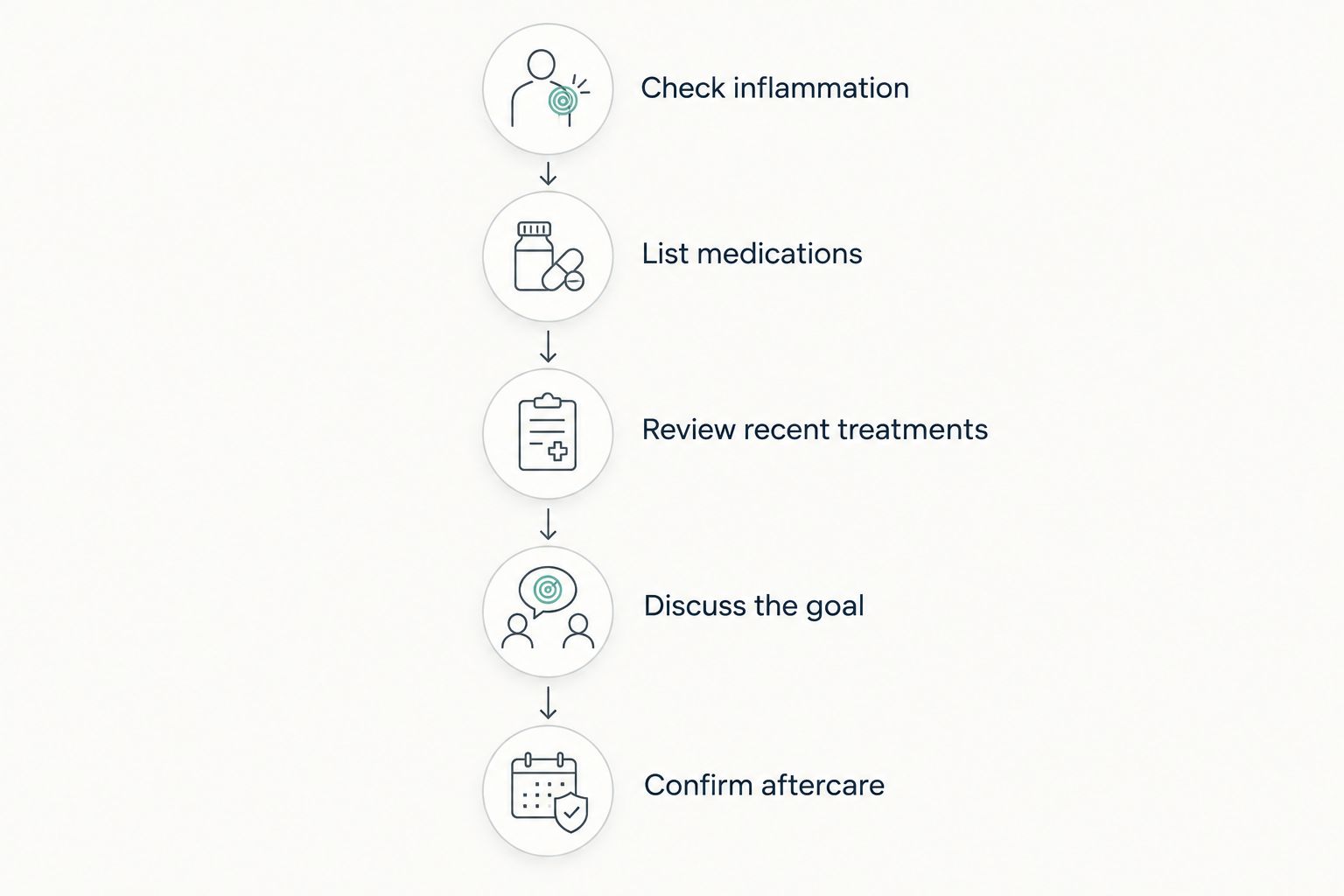
Use this sequence before booking or proceeding with dermaplaning. If your skin is inflamed, do not use the appointment as a reason to push through treatment.
- Check inflammation. Look for tender pimples, broken skin, crusting, or patches that sting. Tell the provider about symptoms even if makeup conceals them.
- List medications. Include prescription acne treatments, oral medications, over-the-counter products, and supplements relevant to your care. Specifically disclose current or recent isotretinoin use.
- Review recent treatments. Name any peel, laser procedure, waxing, exfoliation, or other facial treatment. Bring the dates rather than relying on a description such as recently.
- Discuss the goal. State whether you want facial-hair removal, smoother makeup application, help with breakouts, or improvement in scars. Those goals do not all call for dermaplaning.
- Confirm aftercare. Ask what to use, what to pause, which symptoms require a call, and when your usual acne routine should resume.
Bring product names or clear photographs of their labels. Describing everything as a serum or an acne cream leaves out information your provider needs to assess overlapping exfoliation and irritation.
Ask directly: What would make you postpone my appointment? A useful answer should address your skin condition, not simply promise a gentler version of the same procedure.
Is professional dermaplaning safer than doing it at home?
Professional dermaplaning provides an assessment opportunity; it is not a guarantee against complications. Your provider can evaluate whether treatment is appropriate and explain how medication use or active lesions affect the decision.
At home, you are responsible for recognizing contraindications as well as controlling the blade. Repeated passes, shaving over raised bumps, and using an unsuitable tool add avoidable opportunities for injury.
Do not share facial razors, reuse a damaged blade, or treat shaving as a way to open a pimple. If you already have inflamed acne, switching from a home tool to a professional blade does not make that inflammation irrelevant.
Ask about training, blade hygiene, and aftercare before treatment. A provider who recommends postponing because your skin is irritated is making a safety decision, not withholding a benefit.
Can dermaplaning make acne worse?
Dermaplaning can worsen irritation when performed over active acne or compromised skin. Red bumps afterward are not automatically acne, however; irritation, folliculitis, and other reactions can look similar without being the same problem.
Do not assume a new eruption is purging or proof that the treatment is working. Avoid picking, stop adding exfoliants, and contact the treating provider for guidance.
Seek medical care for spreading redness, increasing warmth, worsening pain, pus, or fever. Those symptoms need assessment rather than another cosmetic treatment or an attempt to disinfect the skin with harsh products.
Does dermaplaning remove blackheads or acne scars?
Dermaplaning does not reliably clear blackheads or correct indented acne scars. Removing surface cells and fine hair is different from treating material inside a follicle or remodeling deeper scar tissue.
If blackheads are your main concern, ask about an acne treatment plan rather than requesting more passes with a blade. If scars are the concern, first establish whether you have flat discoloration, depressed scars, raised scars, or a mixture.
Do not substitute a peel or microneedling session without assessment, either. Different procedures have different indications, and active acne can affect the timing of scar-focused treatment.
A simple aftercare plan for 2026
Follow the treating provider’s instructions, including when to restart prescription and exfoliating products. Do not stop a prescribed acne medication or invent a restart schedule based on general skincare advice.
Keep cleansing gentle and avoid scrubs, picking, and additional hair removal on treated skin while it is irritated. A moisturizer that your skin already tolerates is a simpler choice than introducing several unfamiliar products immediately after treatment.
Dermaplaning is not a reason to apply stronger acids in pursuit of faster results. If a product burns on freshly treated skin, do not interpret that sensation as evidence that it is penetrating effectively.
For everyday sun protection, the American Academy of Dermatology recommends broad-spectrum, water-resistant sunscreen with SPF 30 or higher. Apply it 15 minutes before going outdoors, and reapply every 2 hours while outdoors, as well as after swimming or sweating. These are general sun-protection instructions, not a substitute for individualized post-procedure care.
Use shade and protective clothing too. For Phoenix clients, discussing outdoor work, exercise, and sun exposure before treatment makes the aftercare plan more practical than simply being told to avoid the sun.
Questions that make a consultation useful
A consultation should connect the procedure to your actual skin concern. Bring a short list rather than asking only whether dermaplaning gives a glow.
- Is my skin calm enough for dermaplaning today?
- Are these bumps acne, irritation, or something that needs medical assessment?
- Does my current acne treatment change the plan?
- What improvement should I expect, and what will dermaplaning not change?
- What symptoms after treatment should prompt a call?
The answers should distinguish cosmetic smoothing from acne management. If painful breakouts or new scars are the main problem, ask whether you need a dermatologist before scheduling another facial procedure.
For a 2026 skincare plan, record how your skin responds rather than automatically repeating a treatment because it appears on a calendar. Persistent irritation is a reason to reassess, not to increase exfoliation.
FAQ
Is dermaplaning safe for acne-prone skin in 2026?
Dermaplaning can be appropriate for calm, intact acne-prone skin, but active breakouts and irritation are reasons to postpone. A professional assessment should account for your medications, recent treatments, and skin condition.
Can I get dermaplaning if I have a few pimples?
Tell your provider about the pimples before treatment; a blade should not pass over inflamed or open lesions. Do not assume that having only a few spots makes treatment appropriate.
Will dermaplaning stop my acne?
Dermaplaning does not stop acne or replace acne medication. It removes fine facial hair and surface skin cells rather than treating all the processes that cause breakouts.
Should I stop retinol before dermaplaning?
Ask the treating provider and, for prescription retinoids, your prescriber before changing your routine. The plan depends on the product, your skin's condition, and the proposed procedure.
Is dermaplaning better than a chemical peel for acne?
Neither procedure is automatically better for acne-prone skin. Dermaplaning targets surface cells and fine hair, while peel suitability depends on the formulation, treatment goal, and skin assessment.
Can Bonnie Frances Skin assess whether dermaplaning fits my goals?
Bonnie Frances Skin offers dermaplaning and other skincare treatments in Phoenix. Discuss active acne, sensitivity, medications, and your desired result before deciding on a procedure.
When should I call a doctor after dermaplaning?
Seek medical assessment for spreading redness, increasing warmth, worsening pain, pus, or fever after dermaplaning. Do not treat these symptoms as normal exfoliation or attempt another facial procedure to fix them.
One last thing
Smooth skin is not the same as controlled acne. Removing facial hair can change how your skin feels without changing why breakouts develop.
Before your next appointment, write down the concern you most want to improve: inflamed pimples, fine hair, flat marks, or indented scars. That single distinction helps prevent choosing a surface treatment for a problem beneath the surface.