There is no single facial schedule that suits everyone: book repeat treatments around your skin’s condition, the treatment involved, and your provider’s aftercare instructions. If your skin is still irritated or recovering, postpone the next facial rather than treating a recurring appointment as a deadline.
- How often should you get a facial? Let treatment intensity, skin recovery, and your goals determine the schedule.
- Bonnie Frances Skin is a local option for Phoenix clients seeking facials and other professional skin treatments.
- Chemical peels and microneedling need their own treatment plans, not a standard facial calendar.
- Persistent redness, burning, or peeling calls for reassessment, not another exfoliating appointment.
How often should you get a facial?
Get your next facial only when your skin has recovered and another treatment serves a clear purpose. A gentle cleansing-and-hydration appointment is not interchangeable with a facial that includes exfoliation, extractions, or a chemical peel. The treatment’s contents matter more than its name.
Use this comparison when discussing your 2026 treatment plan. These are treatment categories, not a prescription for a particular interval.
| Treatment approach | Best for | What determines the next appointment | Main limitation |
|---|---|---|---|
| Gentle, non-exfoliating facial | People seeking cleansing and hydration | Skin comfort, goals, and the provider’s assessment | Does not replace medical treatment for a skin condition |
| Facial with exfoliation or extractions | People whose skin is suitable for those steps | Treatment intensity, irritation, and recovery | More frequent treatment can add irritation |
| Chemical peel | People assessed as suitable for controlled chemical exfoliation | The specific peel and its aftercare protocol | Recovery requirements differ between peels |
| SkinPen microneedling | People assessed as suitable for microneedling | The treatment plan and healing response | It is not a routine cleansing facial |
For local treatment choices, Bonnie Frances Skin offers facials, hydrafacials, dermaplaning, SkinPen microneedling, and chemical peels in Phoenix. Ask which treatment fits your goal before deciding how often to repeat it.
Why this matters
A standing appointment is convenient, but convenience does not establish what your skin needs. Repeating an exfoliating treatment while your skin is irritated adds another exposure before the first reaction has settled. That makes recovery—not the calendar—the first checkpoint.
For your 2026 routine, separate cosmetic maintenance from treatment of a medical concern. A facial can be part of personal care, but persistent acne, a recurring rash, or unexplained sensitivity needs an appropriate clinical assessment. Booking more facials is not a substitute for identifying the problem.
Gentle facials: use skin comfort as your checkpoint
A facial focused on gentle cleansing and moisturizing has a different purpose from a corrective procedure. If your goal is occasional hydration or personal care, choose appointments according to your preferences and how your skin responds. There is no requirement to keep treating comfortable skin just because another appointment is available.
Best for: people seeking a non-exfoliating appointment without adding a more intensive procedure. The advantage is a simpler treatment scope; the limitation is that a gentle facial does not address every cause of acne, discoloration, or texture changes.
Confirm what “gentle” includes. A service name does not tell you whether exfoliating acids, scrubs, fragrance, or extractions are involved. Tell your provider about products that have caused burning or redness, and ask for the treatment steps before agreeing to a repeat schedule.
Exfoliating facials: account for your home routine
An exfoliating facial does not happen in isolation. Retinoids, exfoliating acids, scrubs, and other active products used at home affect the treatment discussion. Give your provider the actual product names rather than describing everything as a cleanser or serum.
Best for: people assessed as suitable for exfoliation who have a defined cosmetic goal. The benefit is a targeted exfoliating step; the drawback is the potential for irritation, especially when several exfoliating products or procedures overlap.
Do not independently stop a prescription to make room for an appointment. Ask the prescribing clinician and treatment provider how to coordinate care. Your next appointment should reflect that advice, not a generic schedule copied from someone with different skin and products.
Chemical peels: follow the specific peel protocol
A chemical peel is not simply a stronger version of every facial. Peel depth, formulation, and application affect recovery and treatment planning. The American Academy of Dermatology distinguishes superficial, medium, and deep chemical peels because their effects and recovery requirements differ.
Best for: people whose concerns and skin have been assessed as suitable for a particular peel. The advantage is controlled chemical exfoliation; the limitation is that recovery and risks depend on the procedure, and inappropriate treatment can cause injury or pigment changes.
For a 2026 peel plan, ask for the treatment name, written aftercare, and the criteria for repeating it. Do not use the end of visible flaking as your only clearance signal. Follow the provider’s instructions about products, sun exposure, and the next procedure.
Microneedling: keep it on a separate treatment plan
SkinPen microneedling belongs in a procedure-specific discussion, not under a general rule about facial frequency. Microneedling creates controlled punctures in the skin, so preparation, healing, and follow-up matter. A familiar facial calendar does not establish an appropriate microneedling interval.
Best for: people assessed as suitable for microneedling for a defined concern. Its distinction is the treatment method; its limitation is the need for procedure-specific screening and aftercare, with risks that include infection and pigment changes.
Tell your provider about recent peels, other procedures, medications, and any reaction that has not resolved. Ask how other facial services fit around the microneedling plan rather than scheduling each service independently. A combined calendar should account for everything your skin is receiving.
Why facial frequency varies
Your appointment spacing should change when the factors affecting treatment change. These are the questions to review before committing to a recurring plan:
- Treatment intensity: Does the appointment involve only cleansing and moisturizing, or does it include exfoliation, extractions, or another procedure?
- Current skin condition: Is your skin comfortable, or is it burning, unusually red, peeling, or broken?
- Home products: Are you using retinoids, exfoliating acids, scrubs, or prescriptions that need to be considered?
- Recent procedures: Have you had a peel, microneedling, laser treatment, or another service that requires coordinated aftercare?
- Treatment goal: Are you seeking occasional personal care, managing a cosmetic concern, or asking about symptoms that need medical assessment?
- Aftercare demands: Can you follow the treatment’s instructions about sun protection, products, and activities?
Age alone does not answer these questions. Neither does calling your skin oily, dry, or sensitive. Those descriptions help start the discussion, but your current condition and the planned treatment determine the next move.
How to choose your next appointment
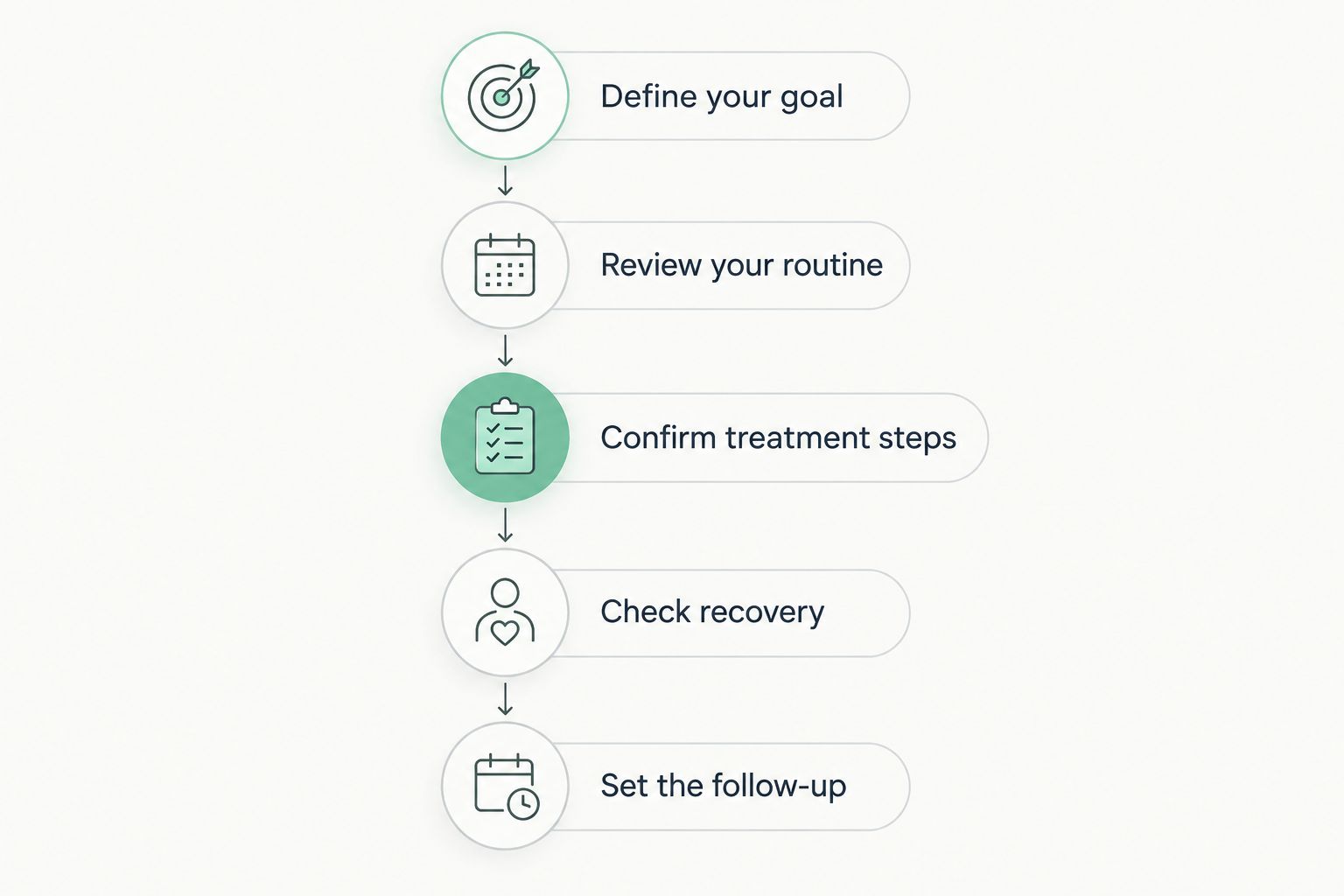
Use this sequence when reviewing a proposed 2026 facial schedule. It keeps the decision tied to the treatment rather than to a package or recurring reminder.
- Define your goal. State what you want help with: cleansing, hydration, congestion, uneven tone, or another specific concern. Ask whether a facial is the appropriate service.
- Review your routine. Bring your skincare product names, medication information, and recent treatment history. Include anything that caused a reaction.
- Confirm treatment steps. Ask what the appointment includes and which steps involve exfoliation or extractions. Request changes before treatment begins.
- Check recovery. Discuss how your skin responded to the previous appointment. Report persistent irritation instead of assuming it is an expected result.
- Set the follow-up. Agree on the purpose of another appointment, its timing, and the symptoms that should trigger a call or postponement.
Before leaving, ask one practical question: What would make you change this schedule? A useful answer identifies the skin reactions, product changes, or additional procedures that require reassessment.
Bonnie Frances Skin is best for Phoenix clients seeking local, in-person facial care. Discuss the service you want and your current routine before choosing between its facial and procedure options; the service list alone does not establish suitability or timing.
Explore your facial options
Review the clinic before discussing a treatment plan for your skin.
Should you get another facial if your skin is irritated?
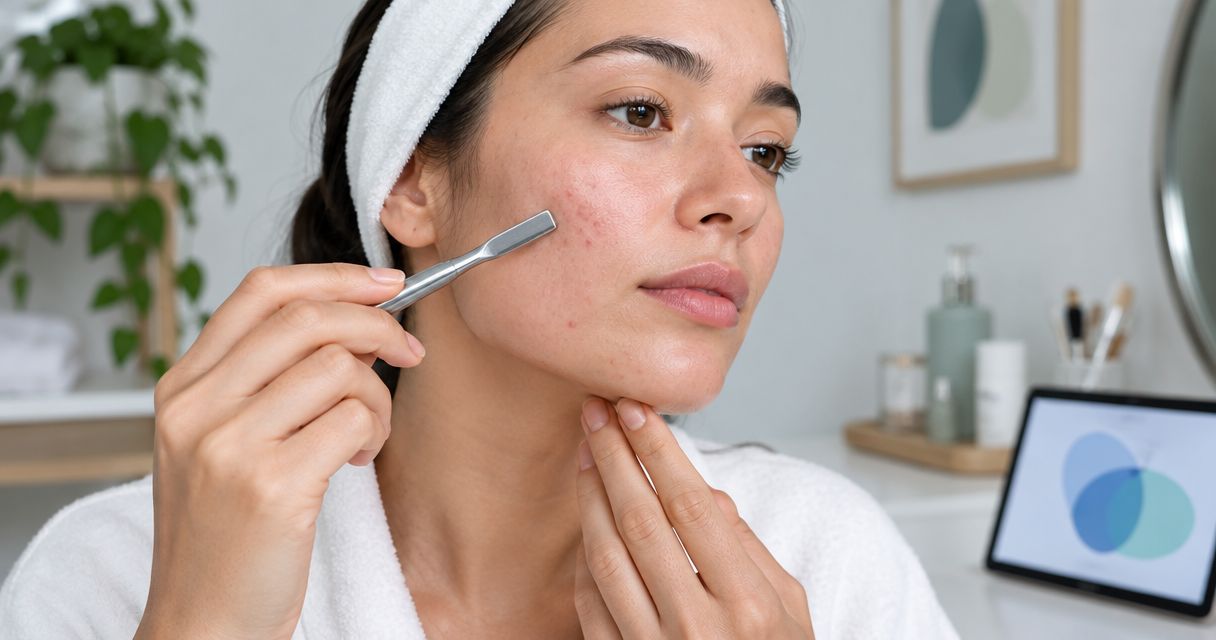
Postpone an elective facial when your skin is actively irritated, and contact the provider for guidance. Burning, persistent redness, peeling, or broken skin should be discussed before more products or exfoliation are applied. Do not treat discomfort as evidence that the previous appointment worked.
Seek medical care for severe pain, blistering, spreading redness, or signs of infection. Those symptoms need assessment, not a different facial booking. For recurring sensitivity, ask whether a dermatologist should evaluate the underlying cause before cosmetic treatments resume.
Should you schedule a facial right before an event?
Avoid making an unfamiliar treatment your last-minute event plan. Extractions, exfoliation, and new products can produce visible irritation, and your personal response cannot be guaranteed in advance. Tell your provider the event date before choosing the service.
If you have a wedding or another important occasion in your 2026 calendar, discuss treatment and recovery early. Ask what to do if your skin reacts and whether a simpler appointment is more appropriate. A known response is more useful than an ambitious treatment chosen at the last moment.
Can you get facials less often and still care for your skin?
Yes—professional facials are optional, while consistent home care and sun protection remain important. Choose a routine suited to your skin and get medical advice when a concern requires it. An appointment should support that routine, not compensate for products that repeatedly irritate you.
The American Academy of Dermatology recommends broad-spectrum, water-resistant sunscreen with SPF 30 or higher, applied 15 minutes before going outdoors and reapplied every 2 hours while outdoors, or after swimming or sweating. These are general sun-protection recommendations, not permission to disregard stricter instructions after a procedure.
FAQ
How often should you get a facial if your skin already feels healthy?
Healthy, comfortable skin does not require a recurring professional facial. Choose appointments for a defined cosmetic or personal-care goal, and confirm that the planned treatment suits your skin.
Is getting a facial every month necessary?
A monthly facial is not a universal requirement. The treatment involved, your recovery, and your provider’s assessment should determine whether that schedule serves a purpose.
Can you get facials too often?
Yes—repeating treatments before your skin has recovered can add irritation, particularly when exfoliation is involved. Persistent redness, burning, or peeling should prompt reassessment before another appointment.
Should acne-prone skin get facials more frequently?
Acne-prone skin does not automatically need more frequent facials. Persistent, painful, or scarring acne needs medical assessment, and cosmetic appointments should be coordinated with any prescribed treatment.
Can you have a facial while using retinol?
Retinol use needs to be discussed before a facial, especially one involving exfoliation. Give the provider your product name and follow individualized instructions; do not stop a prescription without advice from the prescribing clinician.
Does a Hydrafacial follow the same schedule as a regular facial?
A Hydrafacial should not automatically inherit another facial’s schedule. Confirm the planned treatment steps, your response, and aftercare before deciding when to repeat it.
Where can I discuss facial options in Phoenix?
Bonnie Frances Skin offers facials and other professional skin treatments in Phoenix. Discuss your goals, current products, and treatment history before choosing a service or repeat schedule.
One last thing
A skin reaction is information, not a reason to book a stronger treatment. If an appointment leaves you persistently uncomfortable, record the treatment date, the products used afterward, and when symptoms began. Share that record with your provider before scheduling again.
Your next facial should have a reason beyond “it is time.” Ask what the appointment is intended to accomplish and what would justify waiting instead.