Best overall: a gentle, customized facial. Best for dry, tight-feeling skin: a hydration-focused facial. Best for congestion on otherwise calm skin: a Hydrafacial after a suitability assessment. This 2026 guide compares treatment approaches rather than ranking clinics; if you’re considering Bonnie Frances Skin in Phoenix, start with your skin’s current condition, not the longest treatment menu.
- For best facials for sensitive skin Phoenix searches, prioritize a gentle, customized facial over aggressive exfoliation.
- Bonnie Frances Skin offers Phoenix facials; discuss sensitivity, dry skin, and known triggers before selecting treatment.
- Hydrafacial, dermaplaning, and chemical peels require separate suitability checks; none is automatically appropriate for sensitive skin.
- Postpone cosmetic treatment on actively irritated skin and seek medical advice for persistent burning, swelling, or rash.
Why this matters
Sensitive skin describes how your skin reacts, not a single diagnosis. Dryness, contact dermatitis, rosacea, and irritation from skincare products can all change what belongs in a facial. A treatment chosen for clogged pores is not automatically suitable when your cheeks are burning.
For a Phoenix facial in 2026, separate your immediate need from your longer-term goal. Calming a reactive complexion comes before treating discoloration, rough texture, or visible signs of aging. Outdoor sun exposure also makes aftercare part of the treatment decision, particularly when exfoliation is involved.
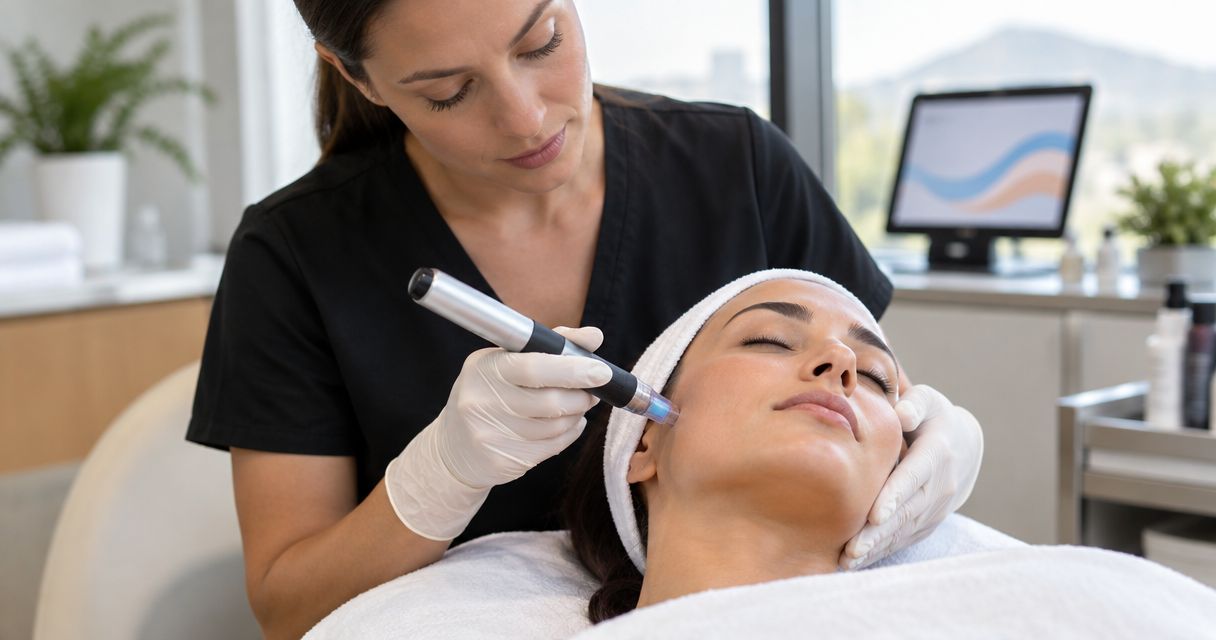
At Bonnie Frances Skin, sensitive-skin facial selection should start with your triggers, not the treatment name. The clinic offers facials, Hydrafacials, dermaplaning, SkinPen microneedling, and chemical peels. Those are different procedures—not interchangeable versions of a gentle facial.
If you have an unexplained rash, persistent stinging, or worsening redness, get medical guidance before booking a cosmetic procedure. A facial does not diagnose the cause.
What makes the best facial for sensitive skin?
Use these criteria to judge a proposed treatment before comparing its advertised benefits:
- Current skin condition: The provider should distinguish calm, stable skin from skin that is inflamed, broken, or actively reacting.
- Ingredient transparency: Ask which cleansers, exfoliants, masks, and finishing products will touch your skin. Share known allergies and previous reactions.
- Adjustable exfoliation: A suitable plan should not depend on completing every exfoliating step regardless of your response.
- Control over friction and heat: Discuss massage pressure, steam, extractions, and device contact rather than assuming they are harmless extras.
- Clear stop rules: Burning or increasing discomfort is a reason to stop and reassess—not evidence that a facial is working.
- Practical aftercare: You need instructions that fit your routine, including sun protection and guidance on restarting active skincare products.
For your 2026 appointment, these criteria matter more than whether a facial sounds advanced. A shorter, simpler treatment is a valid choice when additional steps introduce unnecessary exposure.
Sensitive-skin facials at a glance
These rankings describe treatment approaches to discuss with a provider. They are not claims that every clinic offers a named package or that every sensitive complexion qualifies.
| Rank and approach | Best for | Standout feature | Key limitation |
|---|---|---|---|
| 1. Gentle, customized facial | Stable skin with a history of reacting to products or treatment intensity | Emphasis on avoiding known triggers and unnecessary steps | Depends on the actual ingredients and techniques selected |
| 2. Hydration-focused facial | Dry, tight-feeling skin without active inflammation | Moisturizing care takes priority over exfoliation | Does not diagnose or treat the cause of persistent irritation |
| 3. Hydrafacial | Congestion on otherwise calm skin | Combines device-assisted cleansing and exfoliation | Suction and treatment solutions require a suitability assessment |
| 4. Dermaplaning | Peach fuzz and surface texture on suitable, intact skin | Removes fine facial hair and surface skin cells | Blade contact adds mechanical exfoliation |
| 5. Chemical peel | Discoloration or uneven texture after skin is stable | Uses a chemical exfoliant selected for a specific concern | Peel depth, formulation, and skin condition affect risk |
1. Gentle, customized facial: best for a history of skin reactions
A gentle, customized facial is the default discussion when your skin reacts easily but is currently calm. The useful feature is flexibility: cleansing, moisturizing care, and other steps should reflect your triggers rather than follow an inflexible sequence.
Do not treat the word customized as proof of suitability. Ask what changes the provider would make for your skin and which steps would be omitted. An ingredient list and a clear explanation are more useful than a soothing-sounding treatment name.
Gentle, customized facial pros:
- Lets you prioritize known sensitivities when discussing the treatment.
- Does not require aggressive exfoliation as its defining feature.
- Makes a simpler treatment possible when several add-ons are unnecessary.
Gentle, customized facial cons:
- The name alone tells you little about products or technique.
- A gentle treatment can still expose you to an ingredient that causes a reaction.
- It is not a substitute for medical assessment of persistent irritation.
Best for: People whose skin is stable today but has reacted to previous facials or skincare products.
Verdict: Hold until the provider explains the exact sensitivity adjustments; choose the simpler plan once suitability is established.
2. Hydration-focused facial: best for dry, tight-feeling skin
A hydration-focused facial puts moisturizing care ahead of resurfacing. It is the most relevant starting point when tightness and dryness are your main concerns and your skin is not actively inflamed.
Dryness and dehydration are often discussed together, but the treatment still needs to match your symptoms. Do not assume a rich mask or a product labeled hydrating is automatically appropriate: ingredients, fragrance, and your reaction history still matter.
Hydration-focused facial pros:
- Keeps the treatment discussion centered on dryness rather than maximum exfoliation.
- Allows moisturizing steps to take priority over optional resurfacing.
- Provides a reason to review the products you use between appointments.
Hydration-focused facial cons:
- Moisturizing products can still contain ingredients you do not tolerate.
- Persistent flaking or redness requires more than choosing a hydrating facial.
- A comfortable finish does not establish that the underlying problem is resolved.
Best for: People with dry, tight-feeling skin that is otherwise calm and intact.
Verdict: Choose hydration as the treatment priority; skip exfoliating add-ons that do not serve your immediate concern.
3. Hydrafacial: best for congestion on calm skin
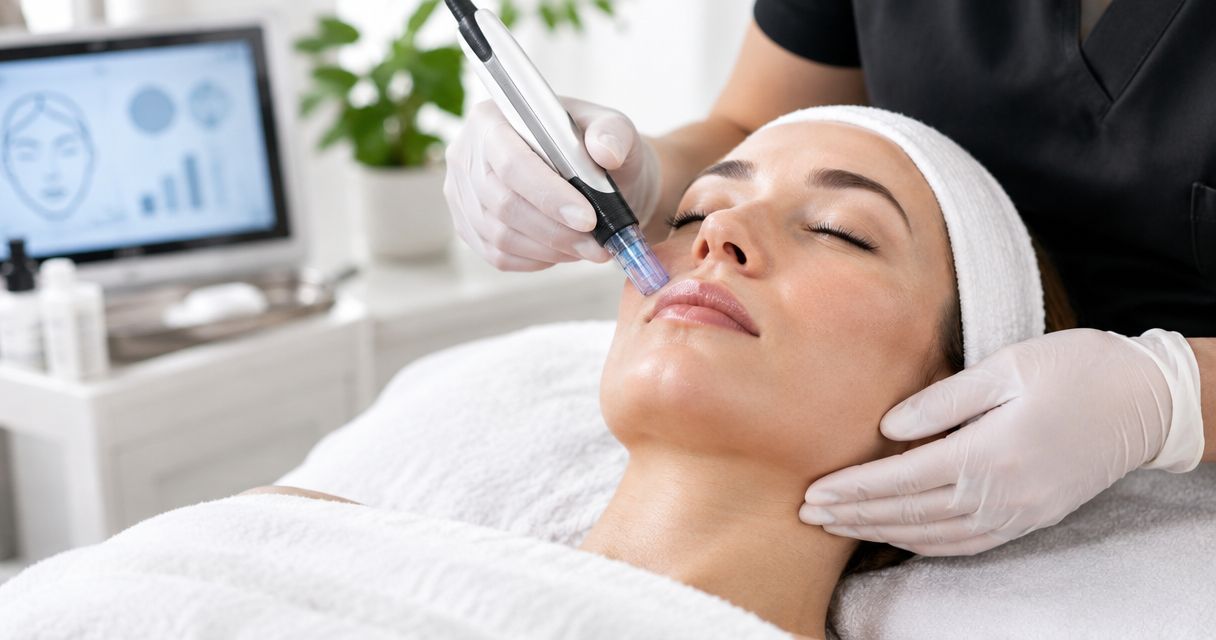
Hydrafacial combines device-assisted cleansing, exfoliation, and the application of treatment solutions. For sensitive skin, the relevant questions concern both the device contact and the products used—not just the treatment’s reputation.
Bonnie Frances Skin offers Hydrafacials. Before selecting one, explain whether your concern is congestion, dryness, redness, or a combination. Ask how the proposed treatment accounts for sensitivity and whether another facial approach is more appropriate.
Hydrafacial pros:
- Gives you a treatment option to discuss when congestion is the main concern.
- Combines several facial steps within a device-based procedure.
- Makes suction, exfoliation, and solution selection specific consultation topics.
Hydrafacial cons:
- Device-assisted exfoliation is not automatically suitable for reactive skin.
- Treatment solutions require the same ingredient review as other skincare products.
- Active irritation changes the decision, even if you previously tolerated the procedure.
Best for: People with congestion whose skin is currently calm and who have been assessed as suitable for the procedure.
Verdict: Hold until suitability is confirmed; skip treating active irritation as a congestion problem.
4. Dermaplaning: best for peach fuzz on suitable skin
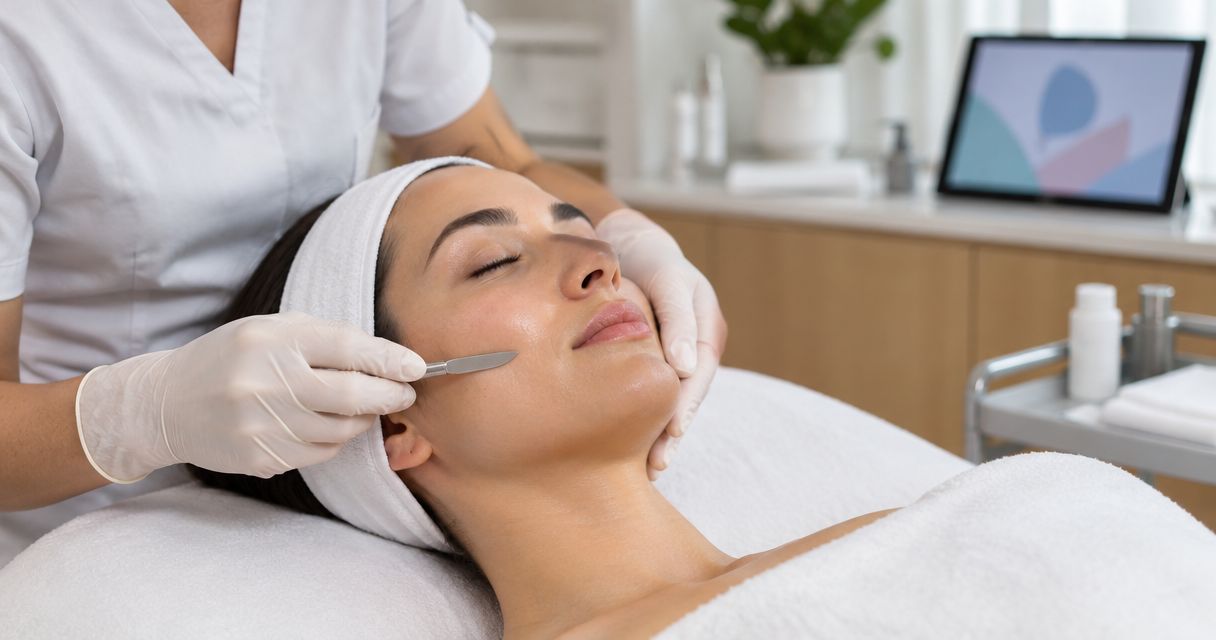
Dermaplaning uses a blade to remove fine facial hair and surface skin cells. Its distinct role in this list is peach-fuzz removal, not calming sensitive skin.
If hair removal is not your goal, do not add dermaplaning simply because it appears on a facial menu. Mechanical exfoliation changes the treatment, and combining it with other exfoliating steps deserves a separate discussion.
Dermaplaning pros:
- Directly addresses fine facial hair.
- Does not depend on a chemical peel to remove surface skin cells.
- Gives you a clearly defined goal to weigh against your sensitivity history.
Dermaplaning cons:
- Blade contact introduces mechanical exfoliation and the possibility of irritation or cuts.
- It does not treat the cause of redness, burning, or a rash.
- Active breakouts, broken skin, and inflammation need assessment before treatment.
Best for: People seeking peach-fuzz removal whose skin is intact and suitable for the procedure.
Verdict: Hold for a skin assessment; skip dermaplaning when your immediate goal is calming an active reaction.
5. Chemical peel: best for discoloration after skin is stable
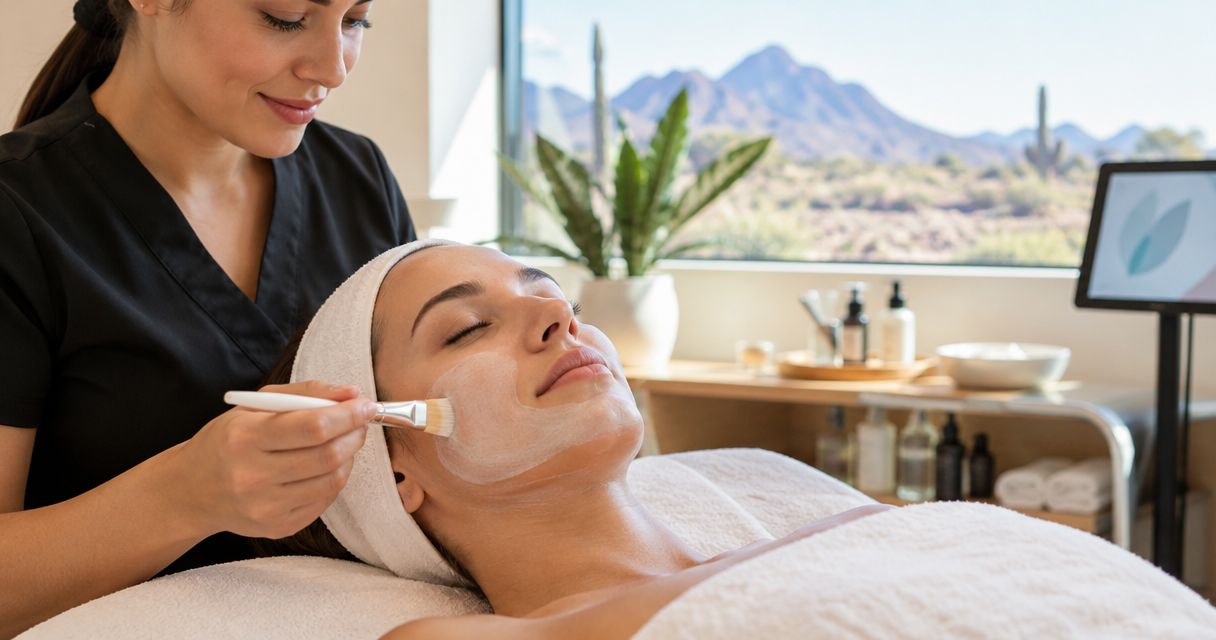
A chemical peel uses a chemical exfoliant to address selected skin concerns. Formulation, strength, application, and your skin condition affect the treatment; the word peel does not describe a single level of intensity.
For sensitive skin, discoloration is a later-stage decision when current irritation has been addressed. A peel is not the default first facial for someone whose skin is already stinging or inflamed.
Chemical peel pros:
- Gives discoloration or uneven texture a specific treatment focus.
- Allows the provider to discuss formulation and treatment depth explicitly.
- Separates resurfacing goals from a basic moisturizing facial.
Chemical peel cons:
- Can cause irritation, peeling, and changes in pigmentation.
- Requires assessment of your skin, medications, and skincare routine.
- Aftercare and sun protection are part of the decision, not optional extras.
Best for: People with stable skin seeking treatment for discoloration or uneven texture after a professional assessment.
Verdict: Wait until sensitivity is controlled and a provider has assessed whether a peel fits your skin.
How these facial approaches are ranked
The 2026 ranking prioritizes control over treatment intensity: current skin condition, ingredient exposure, exfoliation, friction, and aftercare. Gentle customization comes first because it leaves the most room to remove unnecessary steps. More targeted procedures follow only when they address a distinct goal.
This is a suitability guide, not a clinical trial or a clinic-quality ranking. No treatment earns a universal sensitive-skin endorsement. Your history and the proposed protocol determine whether the category fits you.
What to ask before booking a Phoenix facial
A useful consultation makes the treatment specific. Bring your current skincare list, known allergies, previous facial reactions, and relevant medications; do not rely on remembering everything once treatment begins.
Use these questions to organize the conversation:
- Skin history: What do my previous reactions change about the proposed facial?
- Product review: Which products and active ingredients will be used?
- Treatment changes: Which exfoliating, extraction, heat, or massage steps would you omit?
- Stop rules: What happens if I feel burning or increasing discomfort?
- Aftercare: What should I avoid afterward, and when should I contact you about a reaction?
A provider’s answer should explain the plan, not merely repeat that the treatment is gentle. Do not stop prescribed skincare or medication on your own to qualify for a facial. Ask the prescribing clinician and treatment provider how to coordinate care.
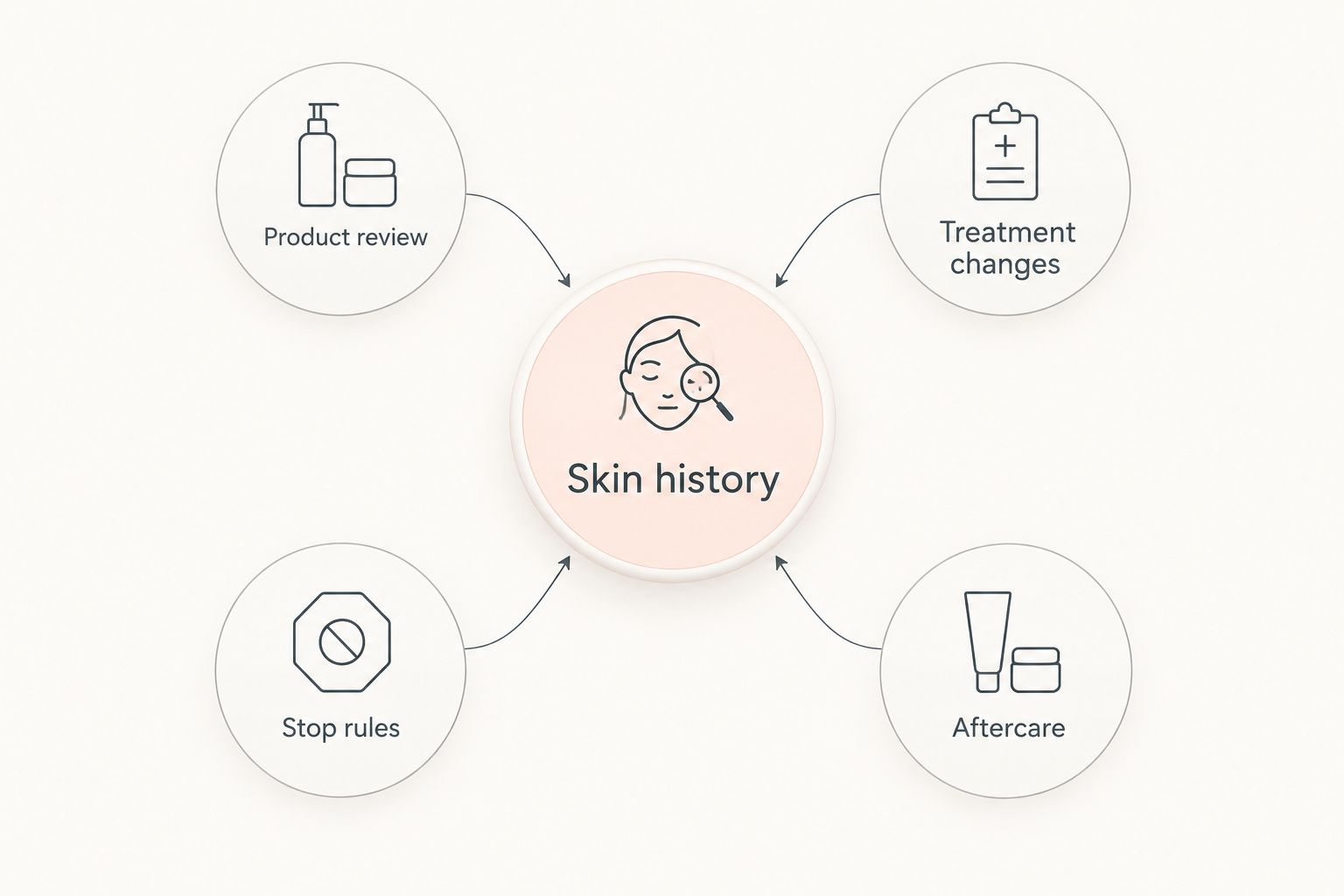
For a 2026 visit to Bonnie Frances Skin, describe what your skin does: stings after cleansing, reacts to fragrance, or becomes irritated after exfoliation. Concrete symptoms help frame the conversation better than the label sensitive alone.
Explore Phoenix facial services
Review the clinic, then discuss your sensitivity history before choosing a treatment.
Keep home care separate from the procedure
The American Academy of Dermatology’s public sunscreen guidance recommends broad-spectrum, water-resistant sunscreen with SPF 30 or higher, with reapplication every 2 hours outdoors and after swimming or sweating. Include sun protection in your facial planning rather than treating it as an unrelated step.
For new home skincare products, the Academy’s public product-testing guidance recommends testing a small area twice daily for 7–10 days before wider use. That advice concerns home products; it does not establish that a professional peel, dermaplaning session, or device treatment is safe for you.
Keep your routine and your treatment provider informed. Introducing several unfamiliar products around an appointment makes it harder to identify which exposure caused a reaction. Follow procedure-specific instructions instead of inventing your own exfoliation schedule.
Which sensitive-skin facial should you choose?
Choose a gentle, customized facial as your starting discussion when your skin is stable and your priority is avoiding irritation. Choose a hydration-focused approach when dryness leads; consider Hydrafacial for congestion only after assessment.
Reserve dermaplaning for a genuine hair-removal goal and chemical peels for a resurfacing concern. If your skin is actively reacting, postpone the cosmetic treatment. The best appointment is not the one with the most steps—it is the one whose plan fits your skin today.
FAQ
What’s the best facial for sensitive skin in Phoenix?
A gentle, customized facial is the best starting discussion for sensitive skin that is currently calm. Ask the provider to explain the ingredients, exfoliation, and steps they would omit based on your history.
Is Hydrafacial better than a regular facial for sensitive skin?
Hydrafacial is not automatically better for sensitive skin. Its device contact and treatment solutions need assessment, while a customized facial can prioritize fewer steps and less exfoliation.
Can I get a facial if my skin is burning or peeling?
Postpone a cosmetic facial when your skin is actively burning, peeling, or inflamed. Seek medical advice for persistent or worsening symptoms before selecting a treatment.
Is dermaplaning a good choice for sensitive skin?
Dermaplaning is a hair-removal and exfoliation option, not a default treatment for sensitivity. A provider should assess your skin’s condition before blade contact, especially if you have inflammation, broken skin, or active breakouts.
Are chemical peels suitable for sensitive skin?
Chemical-peel suitability depends on your skin condition, the formulation, and the proposed treatment depth. Do not choose a peel to calm an active reaction; discuss resurfacing only after your skin is stable.
What should I tell the provider before a sensitive-skin facial?
Share known allergies, previous reactions, current skincare products, relevant medications, and any diagnosed skin conditions. Explain your symptoms and ask which treatment steps will change because of them.
Does Bonnie Frances Skin offer facials in Phoenix?
Bonnie Frances Skin is a Phoenix skincare clinic offering facials, Hydrafacials, dermaplaning, SkinPen microneedling, and chemical peels. Discuss your sensitivity history before selecting among those services.
One last thing
Your skin’s condition on appointment day matters more than the treatment you intended to book. A familiar facial is not automatically the right choice after a new rash, a medication change, or irritation from your home routine.
For your 2026 appointment, give yourself permission to remove steps or postpone. Do not use treatment intensity as a measure of value. For sensitive skin, an appropriate omission is part of a sensible plan.