Yes, you can combine microneedling and Hydrafacial in a treatment plan, but that does not mean you should book them back-to-back or on the same day. Microneedling creates controlled skin injury, while Hydrafacial includes exfoliation and suction; your provider needs to decide whether your skin can tolerate both and when to schedule each treatment. Choose the sequence around healing, not around fitting more treatments into one visit.
- Can you combine microneedling and Hydrafacial? Yes, in a provider-directed plan; same-day treatment is not an automatic recommendation.
- Hydrafacial targets surface cleansing and hydration; microneedling addresses concerns such as acne scars and texture.
- Bonnie Frances Skin offers Hydrafacial and SkinPen microneedling for Phoenix clients seeking in-person skincare treatments.
- Wait for provider clearance before adding exfoliation, suction, or unfamiliar skincare products after microneedling.
Can you combine microneedling and Hydrafacial treatments?
You can include both treatments in your skincare plan when each addresses a specific concern and your provider approves the timing. Combining them is a scheduling and suitability decision, not proof that either treatment becomes more effective.
Start with the recovery requirements. This guide to how long SkinPen microneedling takes to heal explains the healing question to discuss before adding another appointment.
| Treatment approach | Best for | Main benefit | Main limitation |
|---|---|---|---|
| Hydrafacial alone | Surface congestion, dryness, or a refreshed appearance | Cleansing, exfoliation, extraction, and hydration in one treatment | Does not replace a treatment directed at deeper acne scarring |
| Microneedling alone | Suitable clients concerned about acne scars or uneven texture | Controlled needling supports the skin's repair response | Requires recovery and careful aftercare; not suitable for every skin condition |
| A staged plan using both | Clients with separate surface and texture concerns | Lets each treatment serve a defined purpose | Adds appointments and requires coordination around skin recovery |
A staged plan is a planning option, not a promise of better results. If one treatment addresses your main concern, adding another is not automatically necessary.
Why this matters
The word hydrating can make a treatment sound gentler than its full procedure. Hydrafacial also involves exfoliation and suction, which matter when your skin has recently undergone microneedling.
Microneedling temporarily disrupts the skin barrier. Skin that feels tight, looks red, or stings with a familiar product is not a good starting point for another exfoliating appointment without assessment.
For your 2026 treatment plan, separate the goal from the booking request. Ask what each procedure contributes before asking whether both fit into the same visit.
What does Hydrafacial add to a microneedling plan?
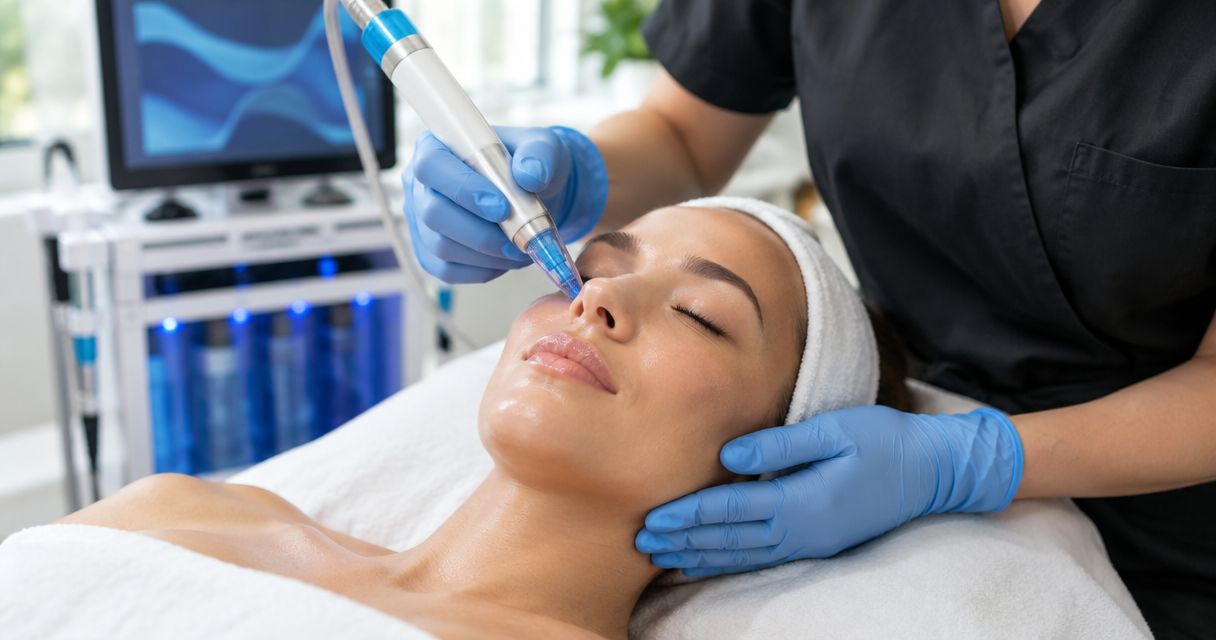
Hydrafacial addresses the skin's surface through cleansing, exfoliation, extraction, and hydration. That makes it relevant when your concerns include congestion or a dull appearance alongside a separate texture concern.
The benefit has a boundary. A smoother-looking surface after a facial is not the same outcome as improvement in an indented acne scar, and a facial should not be presented as a substitute for scar assessment.
Best for: people whose surface concerns justify a facial independently of their microneedling appointment. The drawback is additional treatment exposure when the skin is already irritated or recovering.
Ask your provider which Hydrafacial steps and ingredients they intend to use. A treatment name alone does not tell you whether its exfoliating components suit your current skin condition.
What does microneedling add to a Hydrafacial plan?
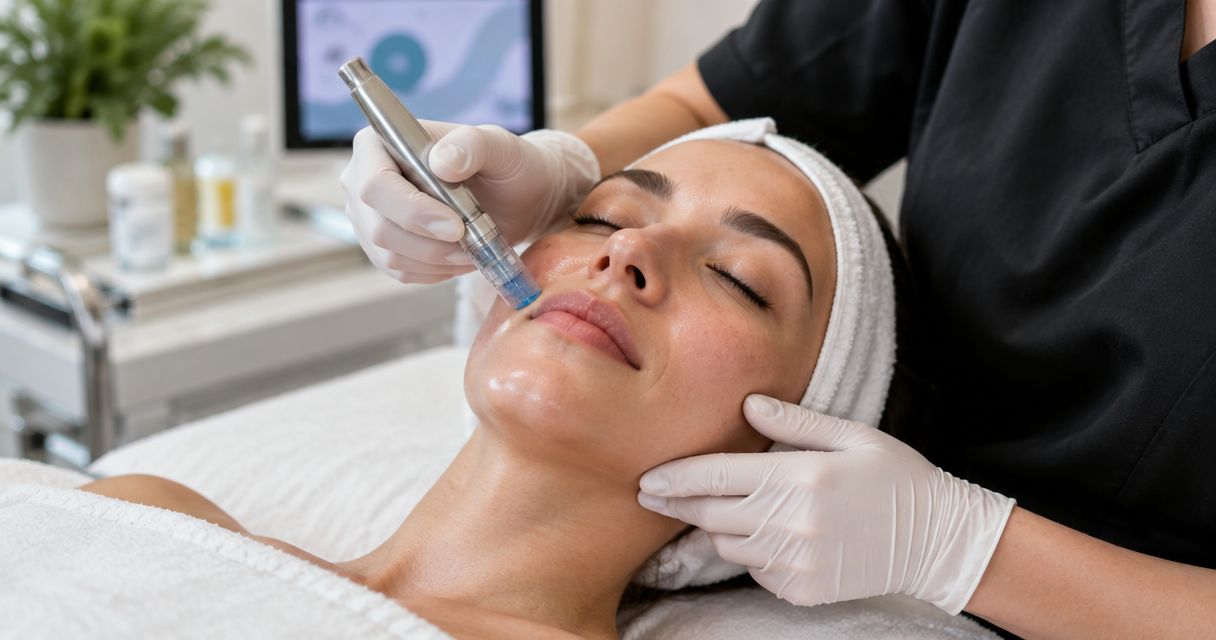
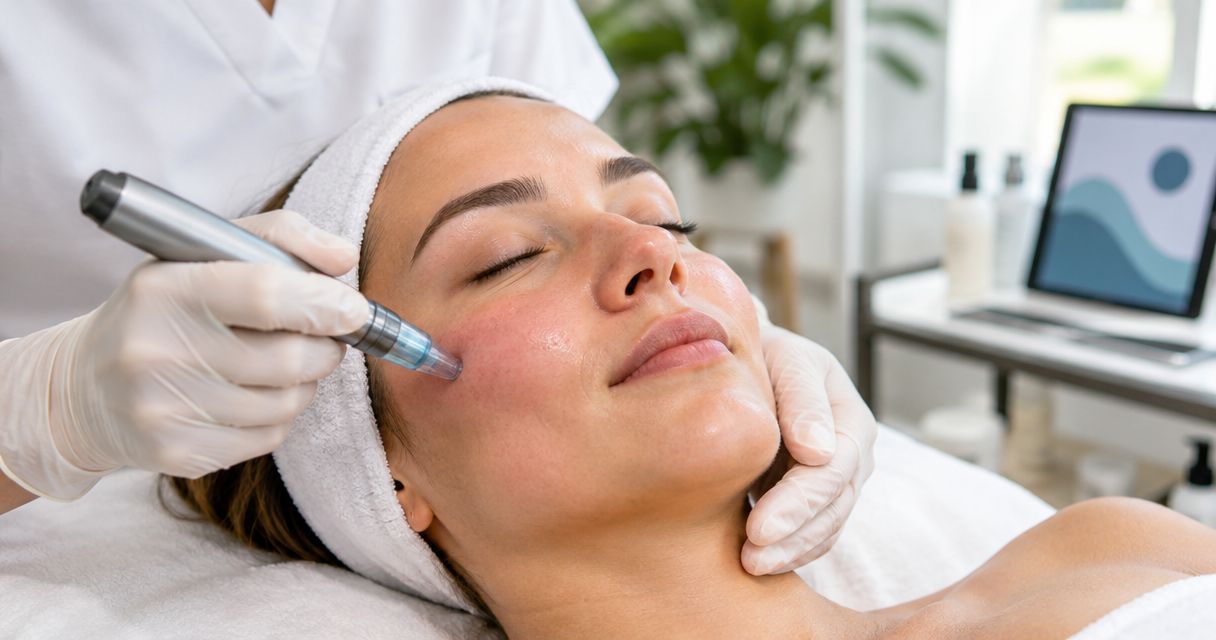
Microneedling uses needles to create controlled punctures in the skin. It is used for concerns including acne scars and wrinkles, but suitability depends on the device, treatment area, skin condition, and medical history.
That is a different purpose from cleansing pores or temporarily improving surface hydration. If acne scarring is your main concern, a consultation should distinguish indented scars from lingering discoloration before recommending a treatment.
Best for: suitable clients seeking treatment for texture-related concerns rather than cleansing alone. The drawbacks include temporary redness, discomfort, recovery restrictions, and risks such as infection or pigment changes.
Do not treat a Hydrafacial serum as something that automatically belongs in a microneedling procedure. Products applied during or immediately after needling require their own safety assessment; being suitable for intact skin does not establish suitability for freshly needled skin.
Why the timing between treatments varies
There is no single interval that makes every combination appropriate. Your provider should base the timing on the procedures performed and your skin's response, rather than copy a schedule from another person's appointment.
These factors belong in that decision:
- Skin recovery: persistent redness, tenderness, peeling, or stinging needs assessment before additional exfoliation.
- Microneedling intensity: the treatment area and extent of the procedure affect aftercare decisions.
- Hydrafacial steps: exfoliating ingredients, extraction, and suction all matter when assessing tolerance.
- Existing skin conditions: active infection, inflamed acne, eczema, or a rosacea flare can change suitability.
- Recent treatments and products: disclose peels, other procedures, prescription skincare, and irritating home products.
- Healing and pigment history: previous delayed healing, unusual scarring, or post-inflammatory discoloration warrants discussion.
For scheduling in 2026, ask for a written clearance criterion as well as a proposed date. Knowing what your skin should look and feel like is more useful than assuming a calendar interval guarantees recovery.
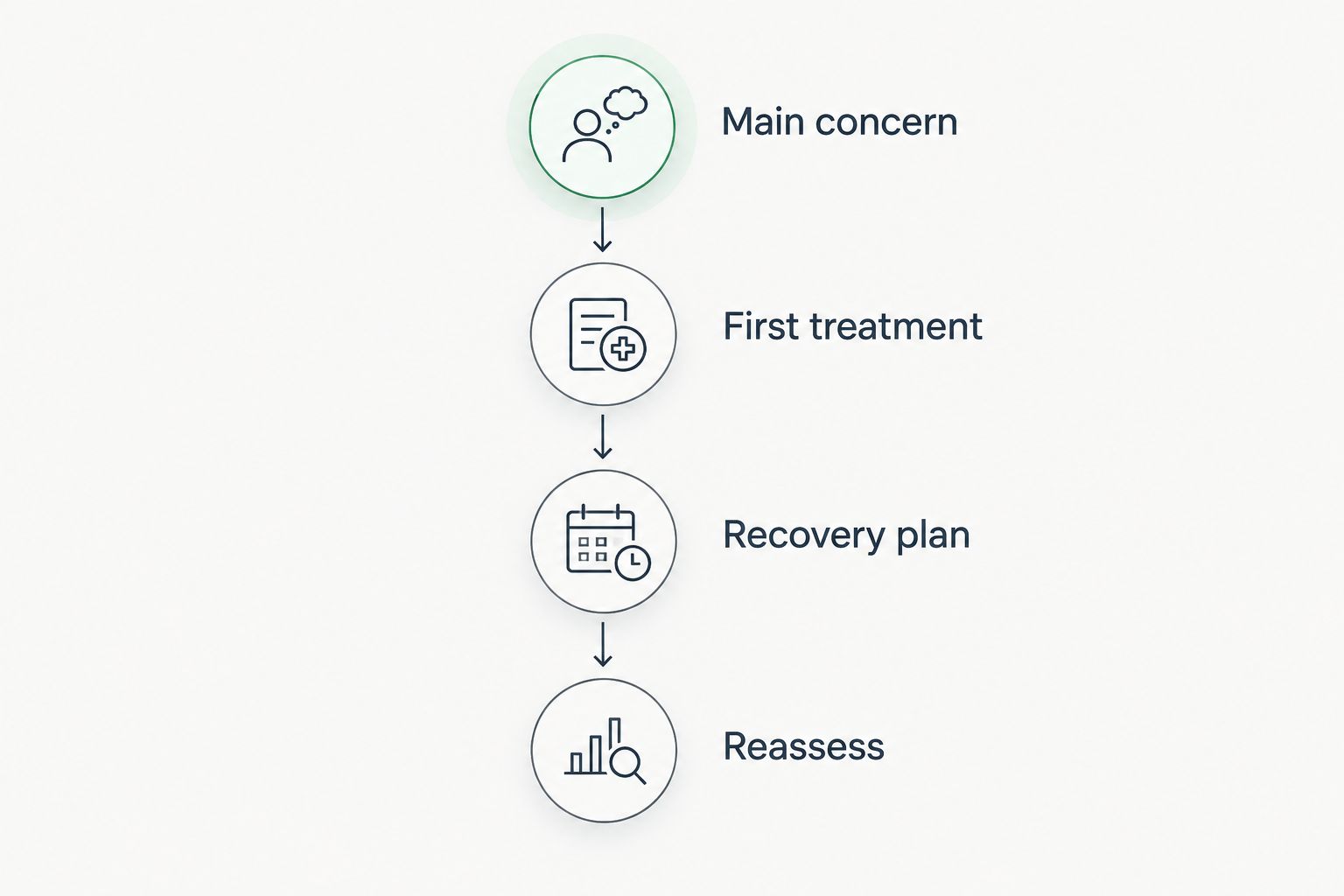
How should you plan the treatment sequence?
Start with your main concern
Tell your provider whether you want help with indented scars, uneven texture, congestion, dryness, or an upcoming event. Those concerns do not all call for the same treatment.
Bring a list of current skincare products and recent procedures. Include prescription treatments and supplements when completing the clinic's medical history, rather than deciding yourself which details are relevant.
Choose the first treatment
Ask why the provider recommends that order. If Hydrafacial comes first, the explanation should address your skin condition and the intended steps—not simply describe it as preparation that everyone needs.
If microneedling comes first, the plan should explain recovery and how the provider will decide when another facial is appropriate. Do not book an automatic follow-up exfoliation treatment without that discussion.
Follow the recovery plan
Use the products and cleansing instructions approved for your procedure. Avoid adding an exfoliant, retinoid, or unfamiliar serum just because your skin looks calmer.
The absence of visible redness does not establish that every product or treatment is appropriate. Ask your provider before restarting active skincare or adding another procedure.
Reassess before proceeding
At the next appointment, report lingering sensitivity, new breakouts, or any unexpected reaction. A planned treatment should still be reconsidered if your skin has changed.
Treat the second appointment as a fresh suitability check, not an obligation. Rescheduling is preferable to proceeding on irritated skin.
Can you have both treatments on the same day?
Same-day treatment needs a procedure-specific assessment; it is not a default recommendation for everyone. The provider should explain the sequence, which steps they will include or omit, and why the combination suits your skin.
Ask whether the proposed treatment follows the device instructions and the provider's clinical protocol. A package name is not an explanation of safety or suitability.
If the explanation focuses only on a stronger glow or greater product absorption, ask for more detail. Increasing penetration is not automatically beneficial, particularly when the skin barrier has been disrupted.
Can Hydrafacial help irritated skin after microneedling?
Do not use Hydrafacial as a self-selected remedy for irritation after microneedling. Exfoliation and suction are additional interventions, not substitutes for assessing why the skin is irritated.
Contact the treating provider about symptoms that persist or worsen. Increasing pain, spreading redness, warmth, pus, fever, or blisters warrants prompt medical advice rather than another cosmetic treatment.
A soothing skincare plan and a full facial are different decisions. Your provider needs to approve both the ingredients and the way they are applied.
What should your aftercare plan include?
Your aftercare instructions should specify cleansing, approved moisturizers, sun protection, makeup, exercise, and when to restart active products. Ask for instructions that cover both procedures rather than combining separate advice yourself.
Use these questions at your 2026 consultation:
- Which products should I stop, and when should I restart them?
- What should I use if even my usual moisturizer stings?
- When can I resume makeup, exercise, swimming, and heat exposure?
- What symptoms require a call rather than routine home care?
- Who should assess my skin before the next treatment?
For general sun protection, the American Academy of Dermatology recommends broad-spectrum, water-resistant SPF 30 or higher, applied 15 minutes before going outdoors and reapplied every 2 hours outdoors, or after swimming or sweating. These are general recommendations, not permission to apply an unapproved sunscreen immediately after microneedling or resume swimming during recovery.
Follow your provider's procedure-specific instructions about when and what to apply. In Phoenix, plan shade and protective clothing around outdoor commitments instead of relying on sunscreen alone.
How do you choose a provider for both treatments?
Choose a provider who explains candidacy, treatment goals, device use, recovery, and what would make them postpone the procedure. Ask who performs each treatment and how complications or unexpected reactions are handled.
Bonnie Frances Skin is best suited to Phoenix clients seeking local, in-person access to both Hydrafacial and SkinPen microneedling. The clinic offers both services; that does not establish that every client needs both or qualifies for a combined visit.
You can use Bonnie Frances Skin as a starting point for discussing the two services. Ask for a plan tied to your skin concerns rather than requesting the largest combination of treatments.
For a 2026 appointment, bring your calendar as well as your skincare list. Travel, outdoor work, exercise, and important events affect how realistically you can follow recovery instructions.
FAQ
Can you combine microneedling and Hydrafacial in one treatment plan?
Yes, microneedling and Hydrafacial can belong in the same provider-directed treatment plan. Each should address a defined concern, and the timing should account for skin recovery.
Can I get Hydrafacial immediately after microneedling?
Do not book Hydrafacial immediately after microneedling without explicit approval from the treating provider. Exfoliation, suction, and treatment ingredients need assessment on recently needled skin.
Should I get Hydrafacial before or after microneedling?
The order depends on your skin condition, treatment goals, and the procedures planned. Ask your provider to explain the sequence and the recovery criteria for proceeding.
Is combining the treatments better for acne scars?
Combining the treatments does not automatically improve acne-scar results. Hydrafacial addresses surface concerns, while microneedling suitability depends on the type of scarring and your skin assessment.
Can I combine these treatments if I have sensitive skin?
Sensitive skin needs individual assessment before either treatment or a combined plan. Active irritation or a skin-condition flare is a reason to discuss postponement, not add more procedures.
Can I use my usual serums after microneedling?
Use only the products your treating provider approves after microneedling. A serum intended for intact skin is not automatically appropriate for freshly treated skin.
What should I do if my skin gets worse after treatment?
Contact your treating provider if symptoms worsen or do not follow the expected recovery course. Increasing pain, spreading redness, pus, fever, or blisters requires prompt medical advice.
One last thing
Looking healed and being ready for another treatment are not the same decision. Before leaving your first appointment, ask: what would make you postpone my next one?
For your 2026 plan at Bonnie Frances Skin, that answer matters more than fitting both services into the calendar. It gives you a clear reason to pause if your skin is still uncomfortable.