Yes—SkinPen is the better choice than at-home dermarolling when you want professional assessment and controlled microneedling for facial acne scars. That does not make SkinPen risk-free: treatment still involves skin injury, recovery, and the possibility of infection, pigment changes, or scarring.
- Is SkinPen better than dermarolling? Yes for professionally assessed acne-scar treatment, not guaranteed results.
- SkinPen uses a powered needle cartridge; a dermaroller moves needles across skin on a rotating drum.
- At-home dermarolling is not a substitute for professional microneedling or an acne-scar assessment.
- Bonnie Frances Skin offers SkinPen microneedling in Phoenix; discuss suitability before choosing treatment.
Is SkinPen better than at-home dermarolling?
SkinPen wins on professional treatment control, not on a promise that every patient gets better results. A professional can assess your skin, select treatment settings, use a sterile disposable cartridge, and explain aftercare. At home, you take responsibility for device selection, technique, cleaning, and recognizing complications.
Bonnie Frances Skin offers SkinPen microneedling in Phoenix. It is a relevant option for local clients seeking an in-person assessment rather than attempting acne-scar treatment themselves.
| Decision factor | SkinPen in a professional setting | At-home dermarolling |
|---|---|---|
| Best for | People seeking assessed, controlled microneedling | People considering a home device who need to understand its limitations |
| Needle movement | Powered needles move into and out of the skin | A needle-covered drum rolls across the skin |
| Treatment control | A professional selects settings and technique | You control pressure, passes, and technique |
| Hygiene | Uses a sterile, single-use needle cartridge | Cleaning and handling depend on the device instructions and user |
| Main advantage | Professional screening, treatment planning, and follow-up instructions | Does not require an appointment |
| Main drawback | Requires an appointment and recovery planning; complications remain possible | No professional assessment during use; incorrect technique can injure skin |
| Recommendation | Consider after a suitability assessment | Do not use as a substitute for professional scar treatment |
For your 2026 decision, distinguish a device's regulatory clearance from a guarantee of results. The FDA's SkinPen clearance includes improving the appearance of facial acne scars in adults aged 22 years and older. That indication does not establish that every scar responds equally, or that any home roller produces comparable results.
Why this matters
Microneedling deliberately injures the skin to stimulate a repair response. The goal is controlled injury—not the deepest puncture, the most redness, or the greatest amount of bleeding.
A home device and an office treatment can share the word microneedling without being interchangeable. Needle design, treatment settings, skin assessment, and the way the device is used all affect what happens to your skin.
The practical question is therefore not simply which tool penetrates farther. Choose the approach that fits your diagnosis and gives you appropriate treatment control and follow-up. For acne scars, that starts with identifying the scar type and checking whether active acne or another condition needs attention first.
SkinPen: best for professionally assessed acne-scar treatment
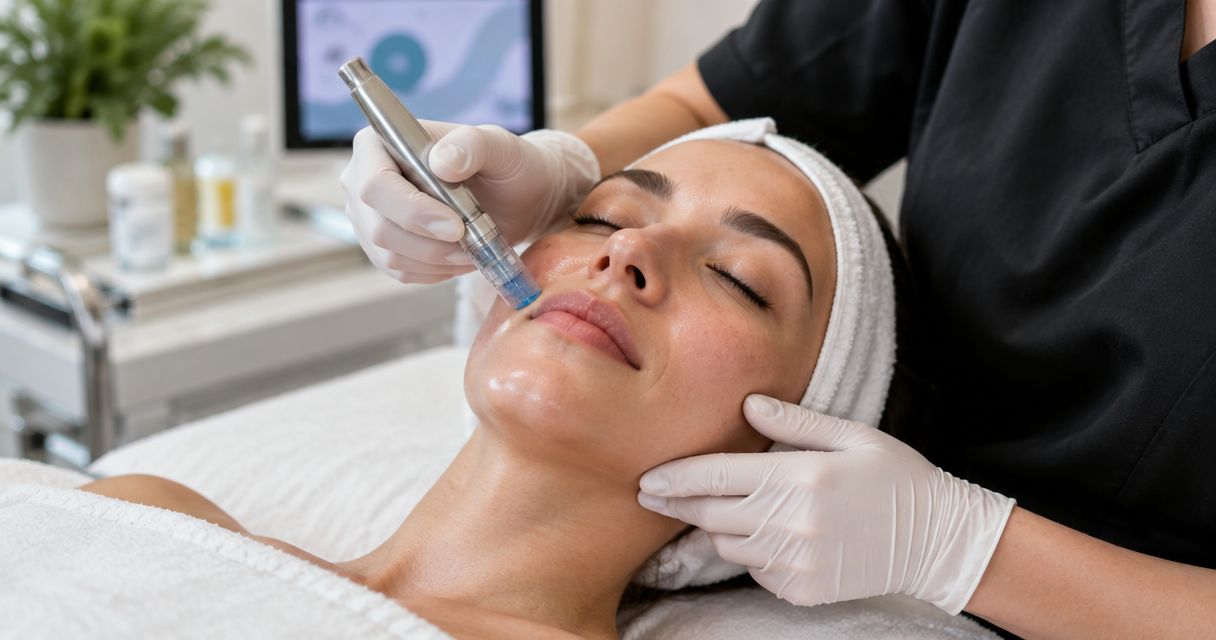
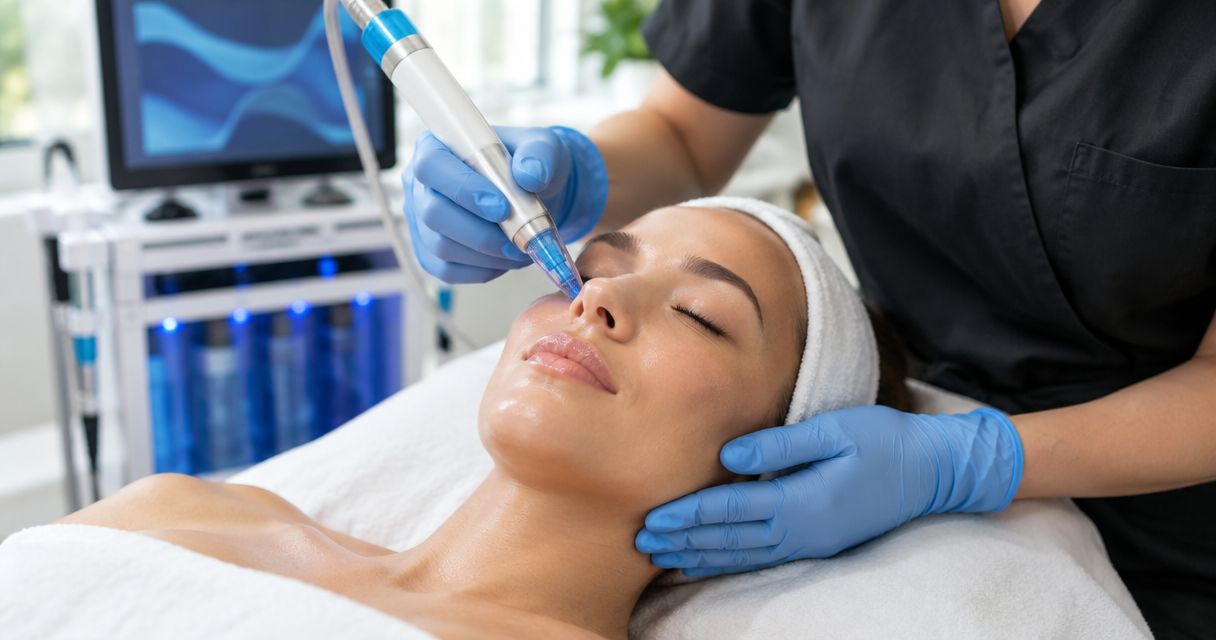
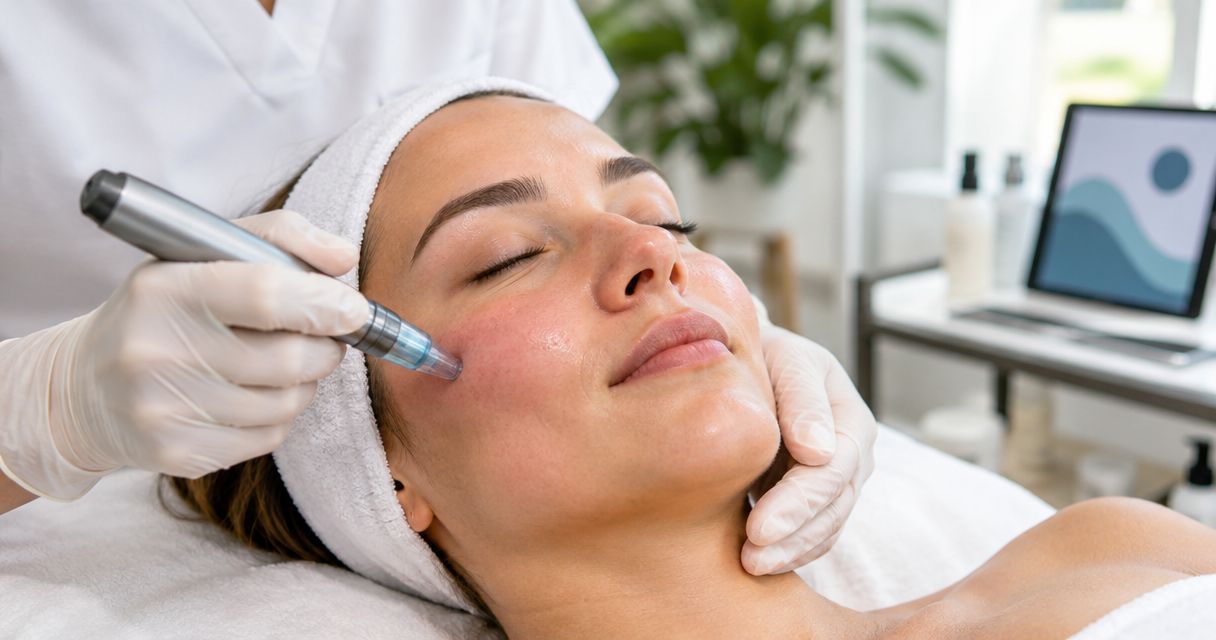
SkinPen uses a powered handpiece and a disposable needle cartridge. Its adjustable treatment settings let a trained professional tailor the procedure to the treatment area rather than relying only on hand pressure.
That control is useful, but the device does not replace clinical judgment. The person assessing and treating your skin still needs to consider your medical history, current skincare, existing irritation, and tendency toward unwanted pigment changes or scarring.
What SkinPen does well
- Provides treatment control: The professional selects settings and adjusts technique for the treatment area.
- Uses a sterile disposable cartridge: A new cartridge avoids reusing the same needles between treatments.
- Includes an assessment: You can discuss whether microneedling fits the concern you actually have.
- Supports an aftercare plan: You receive instructions for cleansing, skincare, sun exposure, and signs that require attention.
What SkinPen does not solve
SkinPen does not erase every acne scar, stop future acne, or guarantee an even response across your face. Different scars can require different treatments, and some concerns need a dermatologist's assessment rather than a cosmetic procedure.
You also need room in your schedule for recovery. Redness, tenderness, swelling, and dryness can occur; the extent depends on the treatment and your skin. Read about how long SkinPen microneedling takes to heal before scheduling around work, exercise, or an event.
Recommendation: choose a professional assessment before committing to SkinPen. The assessment matters as much as the device name.
At-home dermarolling: convenience with important limitations
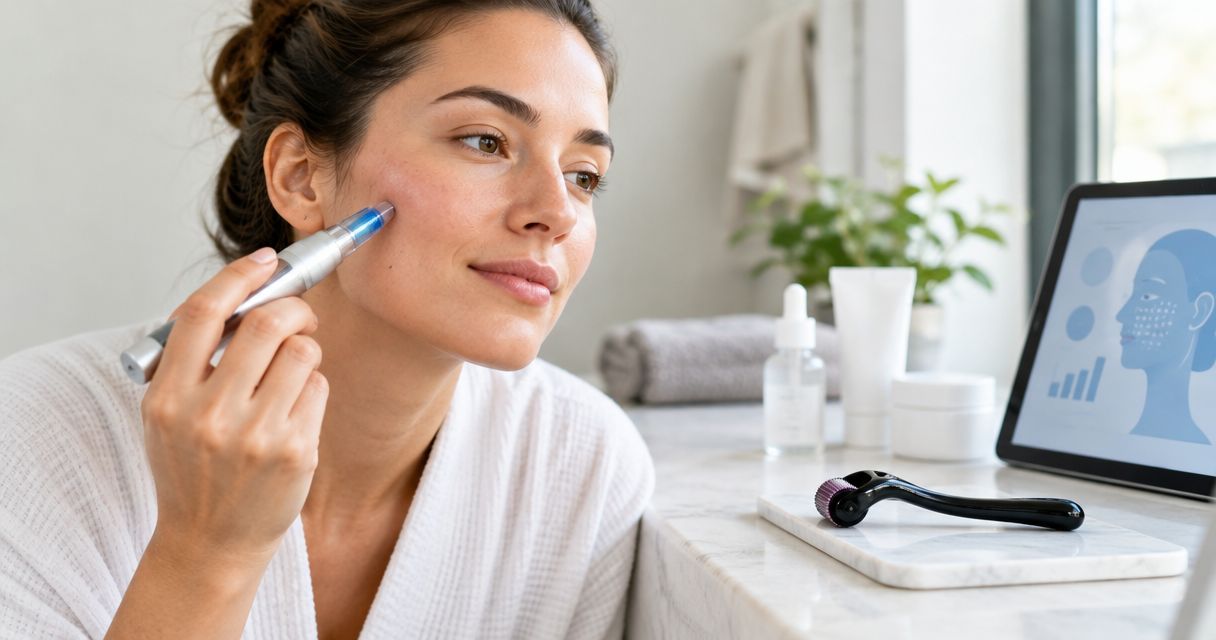
A dermaroller carries needles on a rotating drum. As you roll it across your face, pressure, direction, and repeated passes affect how the needles contact the skin.
The convenience is straightforward: you do not need to attend an appointment. The limitation is equally important: a home routine does not include someone assessing your skin, checking your technique, or identifying a complication as you work.
What at-home dermarolling offers
A home roller puts the timing and handling in your hands. For someone comparing devices in 2026, that convenience explains the appeal—but it does not establish effectiveness for acne scars.
Do not treat a home device's needle-length claim, before-and-after photo, or social media demonstration as proof that it is appropriate for your skin. A product description is not a personalized treatment plan.
Where at-home dermarolling falls short
- Cleaning is not the same as sterilization: A visibly clean roller is not necessarily sterile.
- Technique is difficult to assess yourself: More pressure or repeated passes can add injury rather than benefit.
- Damaged needles create another problem: Reusing a worn or damaged device is not a safe way to extend its use.
- Active skin problems can be missed: Rolling over inflamed, infected, or irritated skin can worsen the situation.
Never share a roller. Do not use a home device to force skincare products through the skin, and do not assume that a serum suitable for intact skin is suitable immediately after needling.
Recommendation: do not use at-home dermarolling as a replacement for professional acne-scar treatment. If your concern is mild dullness or dryness rather than scarring, first ask whether a non-needling routine would address it.
Why microneedling results and risks vary
The device is only part of the outcome. These factors explain why copying someone else's treatment settings or schedule is a poor plan:
- Scar type: Depressed scars, raised scars, and flat discoloration are different problems. They do not automatically call for the same treatment.
- Skin condition: Active breakouts, infection, irritation, or a damaged barrier change whether treatment is appropriate.
- Treatment technique: Settings, pressure, coverage, and repeated passes influence the injury delivered to the skin.
- Health history: Medications, healing problems, and a history of abnormal scarring need discussion before treatment.
- Aftercare: Sun exposure, irritating products, picking, and failure to follow instructions can complicate recovery.
A useful 2026 treatment plan accounts for all of these factors before discussing a treatment schedule. Do not judge a procedure by how dramatic your skin looks immediately afterward. Redness is not a reliable measure of eventual scar improvement.
How should you choose between SkinPen and a home roller?
Use the same decision process whether you are researching a first procedure or reconsidering a home device you already own. The aim is to identify the problem before selecting the tool.
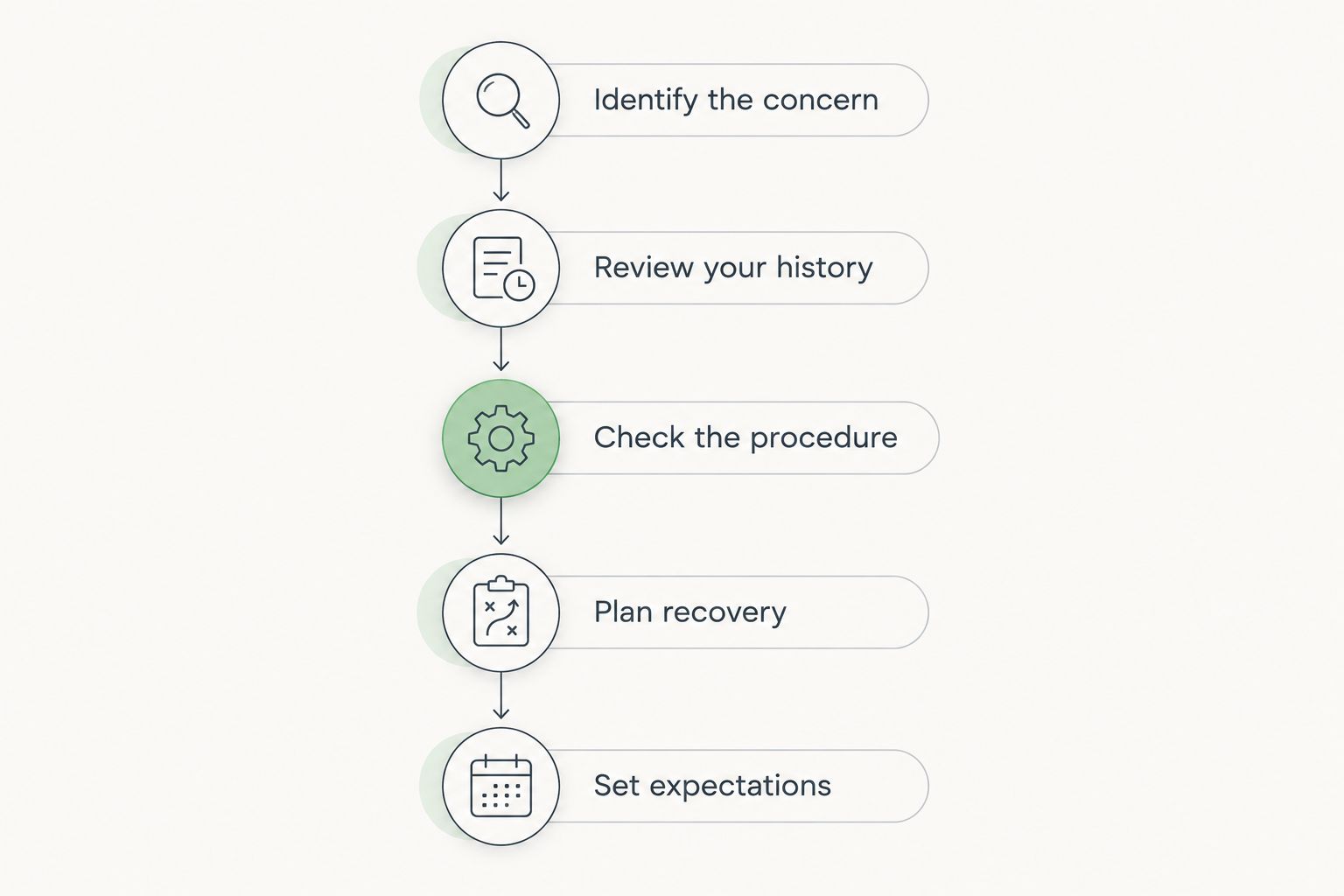
- Identify the concern. Decide whether you mean depressed scars, dark marks, fine lines, or roughness. Bring clear examples of what bothers you.
- Review your history. Discuss medications, recent procedures, cold sores, unusual scarring, and current irritation with the treating professional.
- Check the procedure. Ask why microneedling fits your concern, who performs it, and how the needle cartridge is handled.
- Plan recovery. Get written aftercare instructions and understand which symptoms require a call or medical attention.
- Set expectations. Ask what improvement is realistic and how progress will be assessed before deciding on further treatment.
At Bonnie Frances Skin, SkinPen microneedling is one of the listed services. Ask how that option fits your specific concern; the service name alone does not establish your suitability or expected result.
Discuss your skin treatment options
Explore the Phoenix clinic's services before choosing a treatment for your skin concerns.
What should you ask about recovery and sun protection?
Ask for instructions tied to your actual treatment, not a generic online timeline. Your provider should explain when to restart makeup, exercise, exfoliating acids, retinoids, and other potentially irritating products.
For everyday sun protection, the American Academy of Dermatology recommends broad-spectrum, water-resistant sunscreen with SPF 30 or higher. It also recommends reapplication approximately every 2 hours outdoors and after swimming or sweating. Those general recommendations do not replace post-procedure instructions about when to apply products to newly treated skin.
For a Phoenix appointment in 2026, include outdoor work, driving, exercise, and planned events in the recovery discussion. Shade, protective clothing, and avoiding unnecessary sun exposure belong in that conversation alongside sunscreen.
Seek medical advice for worsening pain, spreading redness, pus, fever, or other signs of infection. Do not keep rolling or add strong skincare products to try to correct a reaction.
Can a dermaroller give the same results as SkinPen?
A home dermaroller should not be treated as equivalent to professional SkinPen treatment. The devices differ in needle movement and treatment control, and professional treatment adds assessment and aftercare guidance. A similar-looking tool or temporary redness does not demonstrate an equivalent effect on scars.
Is SkinPen better for dark marks after acne?
Dark marks need assessment before you choose SkinPen or dermarolling. Flat discoloration is not the same as a depressed acne scar, and inflammation from an unsuitable procedure can worsen pigmentation. Ask for a plan that separates pigment concerns from scar texture.
Is doing nothing better than using a home roller?
Waiting for an assessment is better than needling skin that is inflamed, infected, or unexplained. You do not need to provoke a skin response to make progress. A gentle routine and appropriate sun protection are a more sensible starting point while you clarify the problem.
FAQ
Is SkinPen better than dermarolling for acne scars?
SkinPen is the better choice when you want professional assessment and controlled treatment for facial acne scars. It does not guarantee improvement, and scar type, skin condition, technique, and aftercare still matter.
Is SkinPen FDA-cleared?
SkinPen has FDA clearance that includes improving the appearance of facial acne scars in adults aged 22 years and older. Clearance applies to a defined device and indication, not to every microneedling claim or home roller.
Can I use a dermaroller between SkinPen appointments?
Do not add home dermarolling between SkinPen appointments unless your treating professional specifically directs it. Extra needling can interfere with the recovery plan and add irritation or injury.
Can at-home dermarolling make acne worse?
At-home dermarolling can worsen inflamed or irritated skin and introduce infection. Do not roll over active breakouts, open wounds, or skin that appears infected.
Does more bleeding mean microneedling worked better?
More bleeding does not establish better microneedling results. Treatment should follow an appropriate protocol rather than aim for the most dramatic immediate skin reaction.
Can I apply my usual serum after dermarolling?
Do not assume your usual serum is suitable immediately after dermarolling. Products intended for intact skin are not automatically appropriate for freshly needled skin; follow professional aftercare guidance.
What sunscreen should I use after microneedling?
Ask your provider when to start sunscreen and which formulation suits your treated skin. General American Academy of Dermatology guidance recommends broad-spectrum, water-resistant SPF 30 or higher, but immediate aftercare requires procedure-specific instructions.
Where can I discuss SkinPen microneedling in Phoenix?
Bonnie Frances Skin offers SkinPen microneedling in Phoenix. Discuss your skin concerns, medical history, expected recovery, and treatment suitability before choosing the procedure.
One last thing
A dark mark left by acne is not automatically an acne scar. That distinction can change the treatment you need more than the choice between a pen and a roller.
Before booking a procedure in 2026, ask the professional to identify exactly what is being treated: discoloration, depressed texture, raised tissue, or a combination. Leave with a clear explanation of the problem—not just a device recommendation.