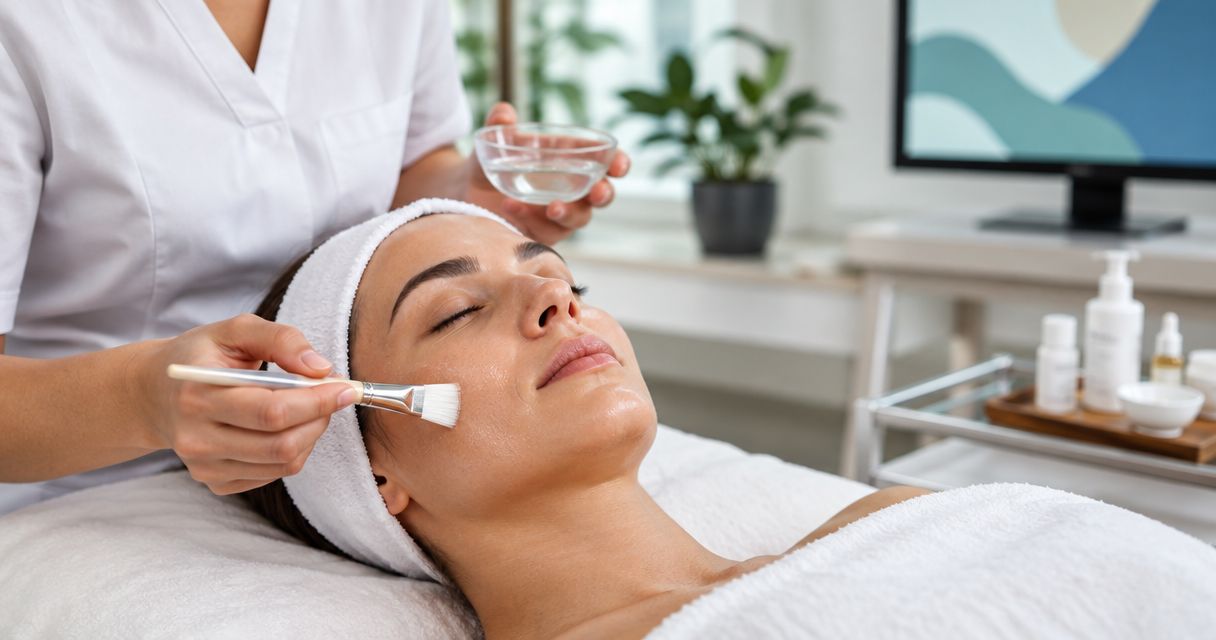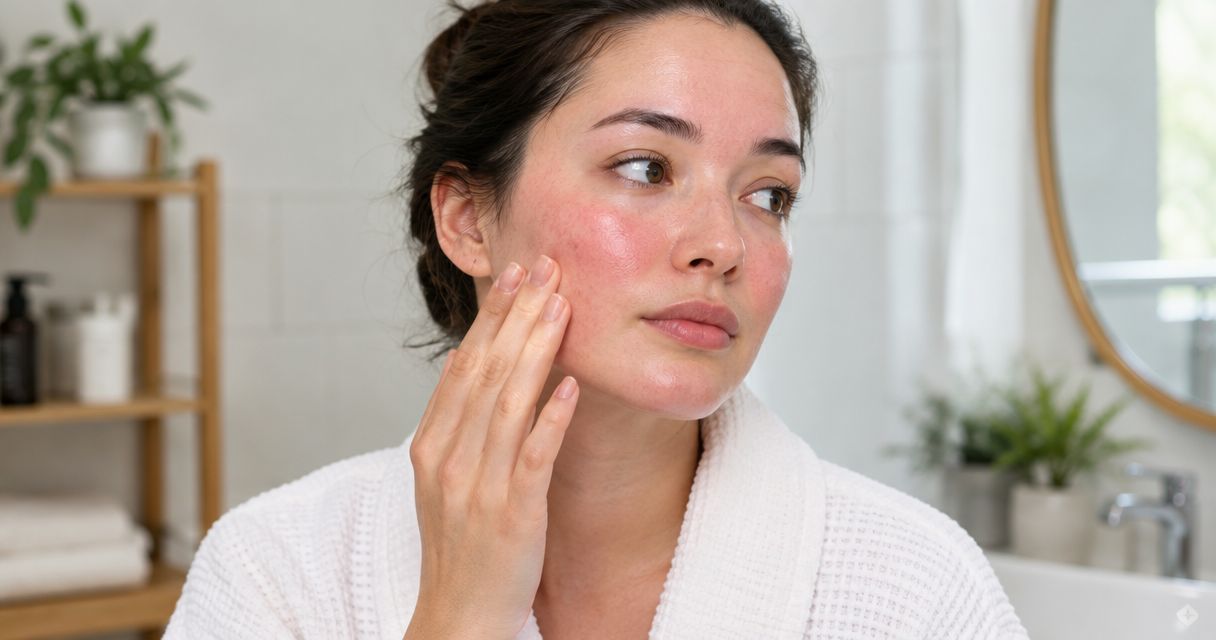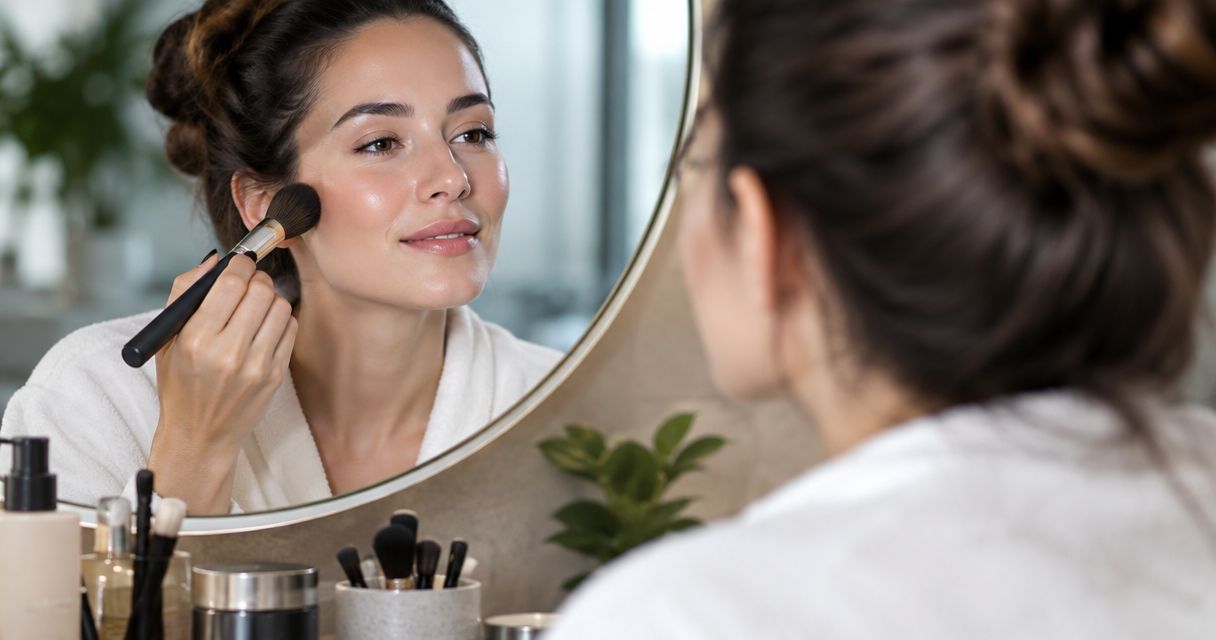
You can wear makeup after a chemical peel once your treating clinician clears it and the skin where you apply it is intact, without raw, open, or weeping areas. A light peel can allow an earlier return than a medium or deep peel, so a universal next-day rule is unsafe. For your 2026 treatment plans, use the peel-specific aftercare instructions—not the appearance of redness alone—to decide when foundation can return.
- Can you wear makeup after a chemical peel? Yes, after clinician clearance—not automatically the next morning.
- Bonnie Frances Skin offers chemical peels for local Phoenix clients seeking in-person skincare treatments.
- Peel depth and skin healing determine makeup timing; mineral makeup does not override aftercare restrictions.
- Keep makeup off raw, open, or weeping skin, and report worsening pain or spreading redness.
Can you wear makeup after a chemical peel?
Yes, but your peel depth and your clinician’s instructions determine when—not a fixed waiting period that applies to everyone. If you are planning treatment with Bonnie Frances Skin, ask about makeup restrictions before the appointment so you can arrange work, photographs, and social plans around recovery.
The American Academy of Dermatology describes different healing periods for light, medium, and deep chemical peels. These are healing ranges, not automatic permission to apply makeup at either end of the range.
| Peel depth | Healing period described by the AAD | What that means for makeup |
|---|---|---|
| Light or superficial | 1–7 days | An earlier return is possible, but follow the instructions for your specific peel |
| Medium | 7–14 days | Expect more involved recovery; obtain explicit guidance before covering treated skin |
| Deep | 14–21 days | Follow the treating physician’s wound-care and makeup instructions |
These categories explain why advice from someone who had a different peel does not transfer to your appointment. The acid name alone also does not establish the recovery plan: formulation, application, and treatment depth matter.
Why this matters
Makeup adds more than pigment to your face. Applying and removing it introduces contact, friction, and exposure to ingredients while treated skin is recovering.
The immediate goal is not to make peeling disappear under foundation. It is to avoid interfering with the aftercare plan. Makeup that clings to flakes can also make texture more noticeable, encouraging extra blending or scrubbing that your skin does not need.
For a 2026 event calendar, schedule the peel around its recovery requirements rather than assuming concealer will solve visible downtime. If wearing makeup is nonnegotiable on a particular date, discuss that date before choosing the treatment.
Light peels: 1–7 days of healing
A light peel treats the more superficial layers of skin. The AAD describes healing over 1–7 days, but that range does not mean every person must avoid makeup for the entire period or that every person can restart immediately.
Your instructions should identify whether makeup is permitted and what skin changes require you to wait. Do not substitute a general online recommendation for the protocol supplied after your treatment.
A superficial peel can still leave dryness, tightness, redness, or flaking. If foundation catches on those areas, do not use a scrub, exfoliating pad, or repeated rubbing to create a smoother base.
For a light peel in 2026, ask for a makeup restart instruction specific to the treatment you receive. Ask separately about restarting exfoliating skincare; permission to wear foundation is not permission to resume every product in your routine.
Medium peels: 7–14 days of healing
A medium peel reaches deeper than a superficial peel. The AAD describes healing over 7–14 days, with recovery that can include swelling, crusting, and peeling.
This is not the setting for testing whether a full-coverage foundation can hide recovery. Skin that is open, weeping, or covered by wound-care instructions needs the prescribed care—not camouflage.
Ask the treating clinician what healed skin should look and feel like before makeup resumes. Also ask whether you need a follow-up assessment before restarting cosmetics.
The benefit of waiting is straightforward: you avoid adding cosmetic application and removal to an already involved recovery routine. The trade-off is visible downtime, which belongs in your scheduling decision before treatment.
Deep peels: 14–21 days of healing
A deep peel requires physician-directed care. The AAD describes healing over 14–21 days; the exact point at which makeup is appropriate remains part of the treating physician’s instructions.
Do not use a superficial-peel checklist to manage deep-peel recovery. Follow the prescribed cleansing, dressings, ointments, follow-up visits, and activity restrictions rather than introducing cosmetic products on your own.
A face that looks less red is not necessarily ready for foundation. Likewise, lingering redness does not, by itself, establish that makeup is forbidden once healing and medical clearance permit it.
After a deep peel, obtain explicit clearance before putting makeup on treated skin. This section describes general peel categories, not the specific treatment menu or protocols of any individual clinic.
Why makeup timing varies after a chemical peel
The same calendar day can represent different stages of recovery for different treatments. These factors explain why a single waiting period is the wrong decision rule:
- Peel depth: Superficial, medium, and deep peels have different healing demands.
- Treatment protocol: The formulation and application determine the aftercare instructions you receive.
- Skin integrity: Raw, cracked, open, or weeping areas are not places to apply cosmetics.
- Current symptoms: Increasing pain, spreading redness, or discharge calls for clinical advice, not more coverage.
- Product and removal method: A product that requires rubbing or repeated cleansing adds friction during recovery.
Your previous experience is useful history, but it is not clearance for the next peel. Tell your clinician about prior irritation, reactions to cosmetics, and any difficulty following a previous aftercare routine.
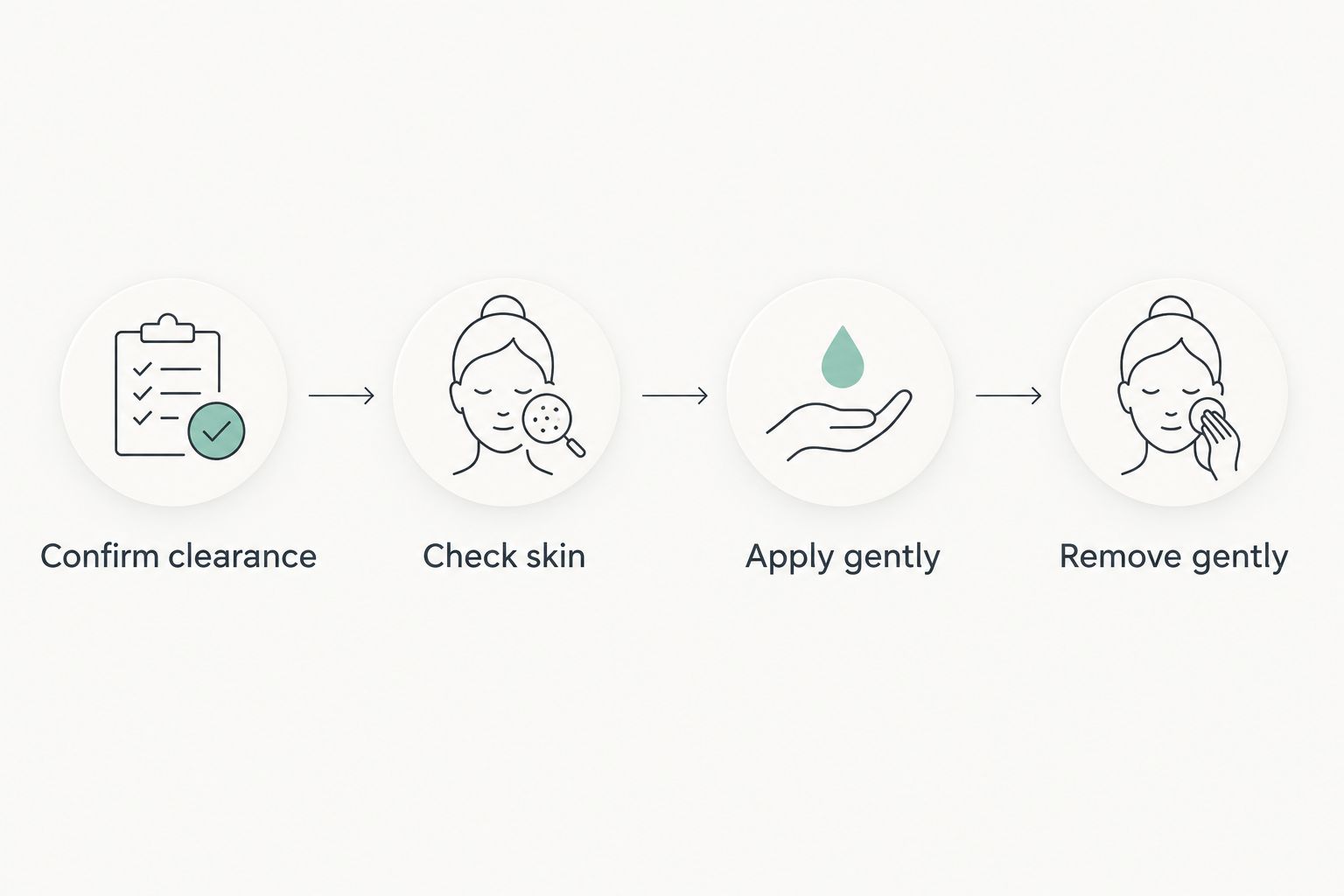
How do you restart makeup after a chemical peel?
Restart makeup only after clearance, then keep application and removal gentle. The first makeup day is not the right time to test an unfamiliar foundation or recreate a complicated event look.
Confirm clearance
Check the written instructions first. If they do not address makeup, contact the treating clinic and describe your current skin condition rather than asking only whether enough time has passed.
Mention tenderness, flaking, crusting, or any areas that are still open. A photograph can help the clinic understand your question, but follow its process for deciding whether an examination is needed.
Check skin
Look at the actual application areas in good light. Do not apply makeup over broken or weeping skin, and do not pull off loose skin to expose a smoother surface underneath.
If you have worsening symptoms, stop the makeup plan and seek advice. Increasing pain, spreading redness, pus, fever, or blisters warrants prompt contact with a healthcare professional.
Apply gently
Once cleared, use clean hands and clean application tools. Choose a familiar product that has not previously irritated your skin, and use light pressure rather than repeated buffing.
Stop if application causes burning or irritation. Do not assume that discomfort is a necessary part of wearing makeup after a peel.
Remove gently
Use the cleansing method your clinician approves. Avoid scrubbing, picking flakes, or repeatedly wiping the same area to remove stubborn coverage.
If a makeup formula needs aggressive removal, leave it out of the early recovery routine. A simpler look is easier to manage than multiple layers that require extra cleansing.
Is mineral makeup better than liquid foundation after a peel?
Neither mineral makeup nor liquid foundation makes unhealed skin ready for cosmetics. Once your clinician permits makeup, the formula you tolerate and the way you apply and remove it matter more than the category name.
| Makeup option | Best for | Practical advantage | Limitation after a peel |
|---|---|---|---|
| Mineral powder | People already comfortable with a tolerated powder formula | Allows light coverage | Can emphasize flakes and tempt repeated brush buffing |
| Liquid foundation | People already comfortable with a tolerated liquid formula | Allows adjustable coverage | Some formulas require more cleansing to remove |
| Long-wear foundation | People seeking lasting coverage after recovery | Resists transfer | Removal can require more effort, making it a poor early-recovery choice |
A mineral label does not guarantee that a product is nonirritating. A liquid formula is not automatically unsuitable either; avoid turning a broad product category into a medical clearance rule.
If your usual makeup contains exfoliating ingredients or other actives, discuss that formula specifically. Keep skincare restart instructions separate from makeup instructions, even when a product combines both functions.
Can you wear makeup if your face is still red?
Redness alone does not determine whether makeup is appropriate after a chemical peel. Your clinician must consider whether the skin has healed and whether other symptoms suggest a problem.
Do not use concealer to ignore redness that is spreading or becoming more painful. For more context, read how long redness lasts after a chemical peel.
Can you wear makeup while your skin is peeling?
Do not apply makeup to raw or open areas, and follow your clinician’s instructions about flaking skin. If makeup is permitted during mild flaking, do not pick, scrub, or exfoliate the flakes to improve the finish.
Visible peeling is also not a reliable measure of how successful a treatment was. Ask about your recovery rather than trying to produce, accelerate, or conceal more shedding.
How should you plan a peel before an event?
Start with the event date and your coverage requirements. Tell the clinician whether you need full makeup, professional application, or close-up photographs, because those expectations affect whether the proposed treatment fits your schedule.
For your 2026 appointment, get answers to these questions before proceeding:
- What depth of peel is planned?
- What visible changes should you expect during recovery?
- When can you restart makeup, and what would delay that restart?
- Which skincare products should remain paused?
- Who should you contact if recovery differs from the instructions?
Bonnie Frances Skin is best suited to Phoenix clients seeking in-person skincare treatments. Its services include chemical peels, but your personal makeup timeline belongs in the treatment discussion rather than in a generic promise about downtime.
Discuss your chemical peel plans
Ask about recovery, makeup timing, and aftercare before scheduling around an event.
FAQ
Can I wear makeup the day after a chemical peel?
Next-day makeup is not appropriate for every chemical peel. Follow your treating clinician’s instructions and keep cosmetics off raw, open, or weeping skin.
Can I use concealer on just one red spot after a peel?
Concealer still counts as makeup, even when you apply it to a small area. Use it only where the skin is intact and your aftercare instructions permit cosmetics.
Is mineral makeup safe immediately after a chemical peel?
Mineral makeup is not automatic permission to apply cosmetics immediately after a peel. Your peel depth, healing, and clinician’s instructions determine when makeup can return.
What should I do if makeup burns after my chemical peel?
Stop using the makeup and remove it gently using your approved cleansing method. Contact your treating clinician for persistent irritation or worsening symptoms.
Does foundation with SPF replace sunscreen after a chemical peel?
Foundation with SPF should not replace the sun-protection plan prescribed after your peel. Ask which sunscreen is appropriate and when to apply it, especially while skin is healing.
Can I scrub off peeling skin so foundation looks smoother?
Do not scrub or pick peeling skin to improve makeup application. Follow your aftercare instructions and let shedding occur without forcing it.
Should I ask about makeup before booking a chemical peel?
Ask about makeup restrictions before booking, especially if you have an event or work commitment. Bonnie Frances Skin offers chemical peels in Phoenix; discuss your recovery requirements before choosing a treatment date.
One last thing
Being allowed to wear makeup does not mean your skin is ready for retinoids, exfoliating acids, scrubs, or every other part of your usual routine. Treat makeup clearance and skincare clearance as separate questions.
Before your 2026 peel, write down the products you use and ask which ones to pause and when to restart them. That gives you a usable aftercare plan instead of a single makeup date that leaves the rest of your routine unresolved.