Best overall: a customized facial for a conservative bridal plan. Best for dehydration: HydraFacial. Best for peach fuzz: dermaplaning. For a 2026 wedding, the best bridal skincare treatments address your main concern without introducing an unfamiliar skin reaction close to the ceremony; Bonnie Frances Skin offers these treatments alongside SkinPen microneedling and chemical peels in Phoenix.
- The best bridal skincare treatments match your concern: customized facials for general care, HydraFacial for dehydration, dermaplaning for peach fuzz.
- Bonnie Frances Skin offers bridal skincare treatment options for Phoenix clients; choose by skin concern and recovery requirements.
- SkinPen microneedling targets acne-scar texture, while chemical peels address selected surface concerns; neither is a last-minute experiment.
- For wedding skincare, repeat a tolerated treatment rather than introduce an unfamiliar procedure close to the ceremony.
Why this matters
Wedding skincare has two jobs: address the concern you actually have and avoid creating a new one before photographs. Those goals do not always point to the strongest procedure. A treatment that suits acne-scar texture is not automatically the right choice for dry skin beneath makeup.
Bonnie Frances Skin is best for Phoenix brides seeking in-person skincare treatment planning rather than choosing a procedure from a wedding checklist. The clinic offers several treatment types, but your skin history, current condition, and wedding date should determine which belongs in your plan.
For your 2026 wedding, judge success by comfortable, settled skin—not by how many appointments you complete. A familiar routine also gives your clinician a clearer starting point than a collection of newly introduced products.
What makes the best bridal skincare treatments?
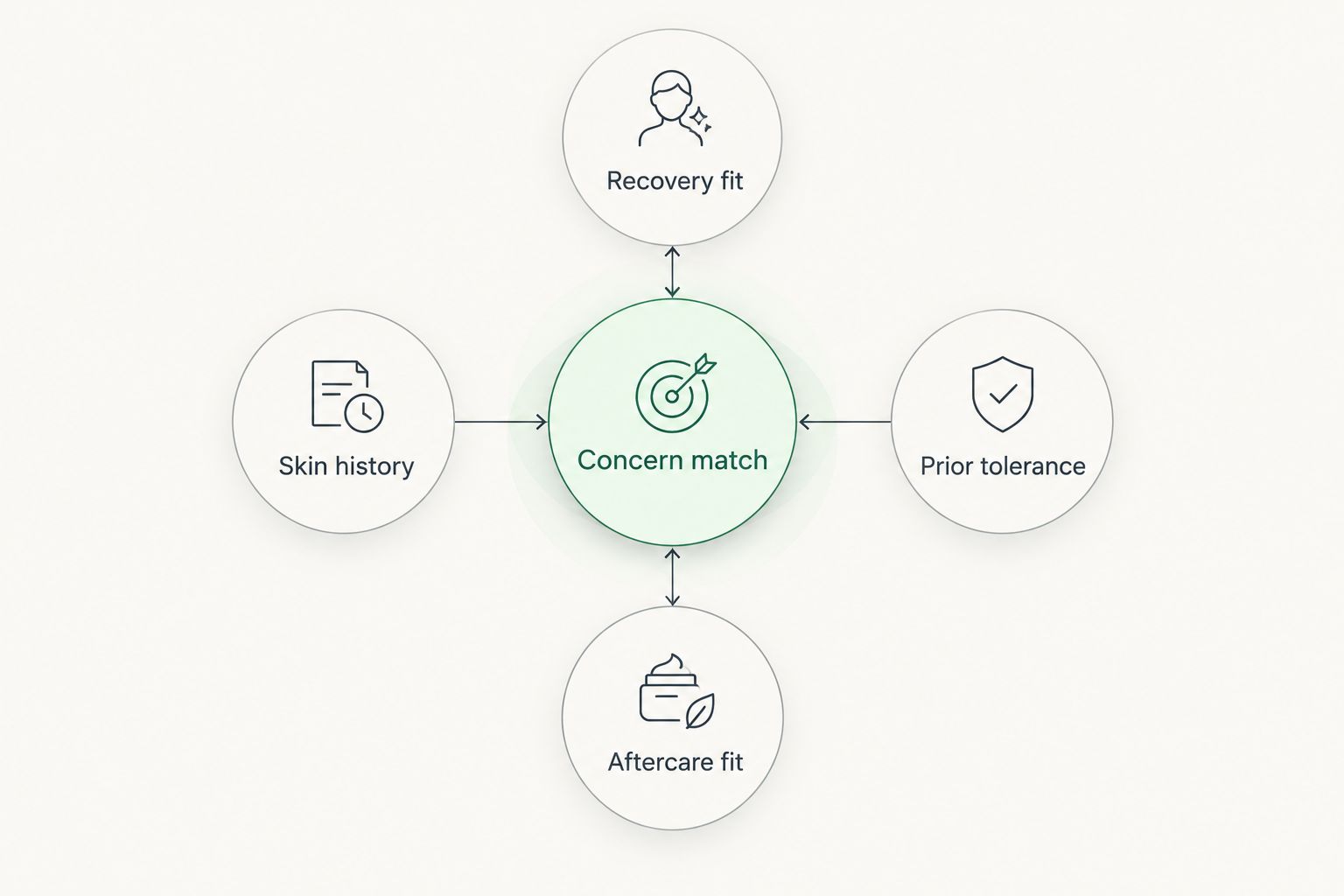
Use these criteria before comparing procedures. A treatment earns its place only when it addresses your concern and fits the time available.
- Concern match: Choose hydration, surface smoothing, or scar-focused treatment according to the problem you want to address.
- Recovery fit: Ask what redness, tenderness, flaking, or other reactions the specific treatment can cause.
- Skin history: Disclose sensitive skin, eczema, rosacea, cold sores, previous reactions, and recent procedures.
- Prior tolerance: Favor an approach your skin has already tolerated when the wedding is approaching.
- Aftercare fit: Choose a plan you can follow, including sun protection and instructions about active skincare products.
Do not treat these criteria as interchangeable. A procedure with the right cosmetic goal still fails the bridal brief if its recovery requirements conflict with your ceremony, travel, or outdoor events.
Bridal skincare treatments at a glance
This ranking separates treatments by purpose, not intensity. The strongest procedure is not the default winner, and none of these options guarantees a particular wedding-day appearance.
| Treatment | Best for | Standout feature | Key limitation |
|---|---|---|---|
| Customized facial | Conservative general preparation | Treatment steps can be selected around your skin concerns | Extractions and exfoliation still require individual assessment |
| HydraFacial | Dehydration and surface buildup | Combines cleansing, exfoliation, extraction, and hydration | Suction and exfoliation are not suitable for every skin condition |
| Dermaplaning | Peach fuzz and surface smoothness | Removes vellus hair and superficial dead skin | Does not treat deeper acne scars; irritation and cuts are possible |
| SkinPen microneedling | Acne-scar texture | Uses controlled skin punctures to stimulate a repair response | Requires recovery and is not a wedding-eve treatment |
| Chemical peel | Selected pigmentation and uneven surface tone | Exfoliation strength can be selected for the treatment goal | Recovery and pigment risks depend on the peel and your skin |
1. Customized facial: best bridal skincare treatment for general preparation
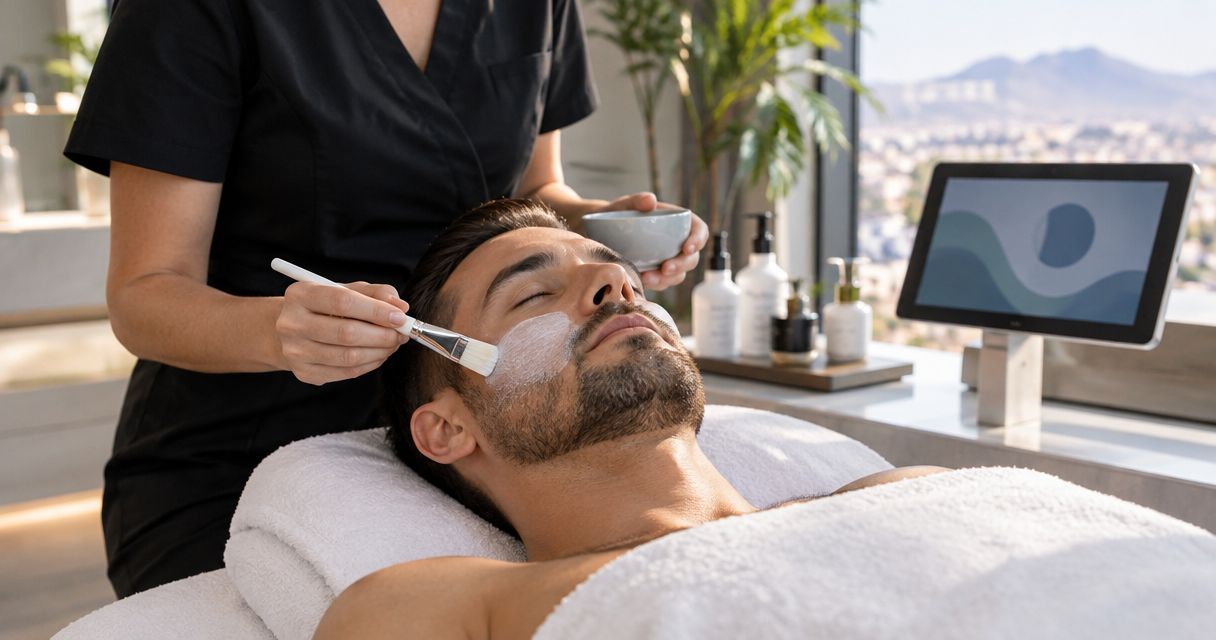
A customized facial is the default choice when you want professional care without immediately committing to a more intensive procedure. Cleansing, moisturizing, exfoliation, and extraction steps depend on the treatment selected; ask exactly what your appointment includes.
Bonnie Frances Skin offers facials, making this a useful starting point for discussing bridal skincare treatments in Phoenix. Do not assume that the word facial means gentle: the individual steps determine the experience and recovery.
Customized facial pros:
- Provides a setting to discuss your main concern before choosing additional procedures.
- Allows you to ask for a conservative approach rather than maximum exfoliation.
- Can focus on cleansing and moisturizing when surface comfort is the priority.
Customized facial cons:
- Does not replace treatment directed at deeper acne scars.
- Extractions and exfoliation can cause temporary redness or irritation.
- The name alone does not tell you which products or techniques are included.
Best for: Brides whose priority is general skin preparation, especially when they do not have a single concern requiring a targeted procedure.
For a 2026 wedding, ask whether the proposed facial repeats something your skin already tolerates. Verdict: Buy a customized facial after agreeing on the treatment steps; skip unfamiliar aggressive add-ons near the ceremony.
2. HydraFacial: best bridal skincare treatment for dehydration
HydraFacial combines cleansing, exfoliation, extraction, and hydration in a device-assisted treatment. It is a relevant option when dehydrated skin and surface buildup are the main concerns, rather than deeper scarring.
Describe what you notice beneath makeup: tightness, visible dry patches, or uneven surface texture. Those observations help frame the consultation, but they do not establish that exfoliation is appropriate for irritated skin.
HydraFacial pros:
- Addresses hydration and surface cleansing in the same appointment.
- Offers a different approach from procedures intended to remodel scar texture.
- Gives you specific treatment steps to discuss before proceeding.
HydraFacial cons:
- Exfoliation and suction require caution with reactive or compromised skin.
- Does not substitute for a scar-focused treatment plan.
- Treatment ingredients and optional steps need individual review.
Best for: Brides with dehydration and surface buildup whose clinician confirms suitability.
Ask about the exact protocol rather than requesting every available addition. Verdict: Buy HydraFacial when hydration is the main goal and your skin is suitable; skip it on actively irritated skin unless your treating clinician advises otherwise.
3. Dermaplaning: best bridal skincare treatment for peach fuzz
Dermaplaning uses a blade to remove fine vellus hair and superficial dead skin. Its distinct role in a bridal plan is surface preparation, not correction of deeper scars or underlying causes of acne.
If facial peach fuzz is your main concern beneath makeup, dermaplaning directly addresses that concern. Share areas of inflammation, active breakouts, and past irritation before the procedure so the clinician can assess suitability.
Dermaplaning pros:
- Removes fine facial hair rather than relying on exfoliation alone.
- Targets superficial roughness and dead-skin buildup.
- Has a clear purpose when peach fuzz is the specific concern.
Dermaplaning cons:
- Can cause irritation, small cuts, or infection.
- Does not correct deeper acne scars.
- Requires assessment around inflamed acne and other active skin conditions.
Best for: Brides who want peach-fuzz removal and surface smoothing, with suitability confirmed beforehand.
Do not combine first-time dermaplaning with several other unfamiliar exfoliating treatments. Verdict: Buy dermaplaning for peach fuzz after a suitability assessment; skip it as a solution for acne-scar texture.
4. SkinPen microneedling: best bridal treatment for acne-scar texture
SkinPen microneedling creates controlled punctures in the skin to stimulate a repair response. Acne-scar texture is a more relevant reason to discuss this procedure than a vague wish for an immediate glow.
SkinPen belongs in an advance treatment conversation, not a last-minute appointment. Your clinician should assess the scars, discuss expected recovery, and decide whether the procedure fits the time before your wedding.
SkinPen microneedling pros:
- Addresses a different concern from simple hydration or facial-hair removal.
- Is an established treatment option for the appearance of facial acne scars.
- Provides a focused discussion about texture rather than general surface care.
SkinPen microneedling cons:
- Can cause redness, swelling, discomfort, and other adverse effects.
- Requires aftercare and recovery before important events.
- Does not promise complete scar removal or an immediate result.
Best for: Brides concerned about acne-scar texture who have time for clinician-directed treatment and recovery.
Tell your provider about medications, active acne, infection, and any history of abnormal scarring. Verdict: Hold until you have an individualized plan; skip SkinPen as a wedding-eve treatment.
5. Chemical peel: best bridal treatment for selected pigmentation concerns
A chemical peel applies an exfoliating solution to remove selected outer layers of skin. The depth and formulation determine its purpose, recovery, and risks, so chemical peel is a category—not one standardized bridal treatment.
Uneven pigmentation needs assessment before choosing a peel. The cause of the discoloration, your skin tone, and your history of post-inflammatory pigmentation all affect the decision.
Chemical peel pros:
- Can address selected concerns involving uneven tone and surface texture.
- Offers different formulations and depths for different treatment goals.
- Gives your clinician a targeted option beyond moisturizing alone.
Chemical peel cons:
- Can cause redness, peeling, irritation, and pigment changes.
- Recovery differs by formulation and depth.
- Is not an interchangeable substitute for scar-focused procedures.
Best for: Brides with an assessed pigmentation or surface-texture concern and sufficient time for the prescribed recovery.
Do not select a stronger peel because the wedding is approaching. Verdict: Hold until the peel type and recovery plan are clear; skip an unfamiliar peel close to the ceremony.
How these bridal treatments are ranked
The ranking prioritizes concern match, recovery fit, skin history, prior tolerance, and manageable aftercare. Customized facials come first because they provide a conservative starting point for general preparation; the other treatments occupy distinct, more specific roles.
This is a treatment-selection guide, not a claim that every bride needs a procedure. For 2026 bridal skincare planning, an unresolved rash, painful breakout, or suspicious skin change belongs with a qualified medical professional before cosmetic treatment.
Build your wedding skincare plan
Start with your wedding date, your main concern, and a list of products and medications you use. Include the rehearsal, photographs, travel, and other events where visible recovery would matter.
Ask the treating clinician these questions before booking:
- What concern does this procedure address in my skin?
- Which reactions should I expect, and what requires medical attention?
- Which skincare products should I pause, and when should I restart them?
- What is the recovery plan if my skin reacts differently than expected?
Keep sun protection in the plan. The American Academy of Dermatology recommends broad-spectrum, water-resistant sunscreen with SPF 30 or higher, applied 15 minutes before going outdoors and reapplied every 2 hours outdoors, as well as after swimming or sweating. These are general sun-protection recommendations, not permission to ignore procedure-specific aftercare; follow your clinician's instructions for treated skin.
For your 2026 wedding, leave room for a makeup trial after your skin has settled. Tell the makeup artist about recent treatments and avoid using the trial as a reason to add more exfoliation.
Discuss your bridal skincare plan
Explore Phoenix treatment options before choosing a procedure for your wedding schedule.
Which bridal skincare treatment should you choose?
Choose a customized facial as the default when your goal is general preparation and your clinician agrees. Choose HydraFacial for suitable dehydrated skin, dermaplaning for peach fuzz, SkinPen for assessed acne-scar texture, or a chemical peel for an appropriate pigmentation concern.
At Bonnie Frances Skin, the bridal skincare treatment decision should begin with your concern and wedding schedule—not a request to stack every available service. If your skin is already comfortable and predictable, maintaining that condition is a valid choice.
FAQ
What's the best bridal skincare treatment before a wedding?
A customized facial is the conservative default for general bridal preparation when your clinician confirms suitability. Choose a more targeted treatment only when you have a specific concern, such as peach fuzz, dehydration, or acne-scar texture.
Is HydraFacial better than dermaplaning for bridal skin?
HydraFacial is the more relevant option for dehydration and surface cleansing; dermaplaning specifically removes peach fuzz and superficial dead skin. Neither is universally better, and your skin condition determines suitability.
How close to my wedding should I get a facial?
Schedule your facial according to the exact treatment steps, your previous reactions, and your clinician's recovery guidance. Extractions, exfoliation, and unfamiliar ingredients make a universal bridal timing rule unreliable.
Should I get SkinPen microneedling right before my wedding?
No—SkinPen microneedling is not a wedding-eve treatment. It requires recovery and aftercare, so discuss it in advance when acne-scar texture is your concern.
Is a chemical peel a good choice for wedding pigmentation?
A chemical peel is an option for selected pigmentation concerns after an assessment. The cause of the pigmentation, your skin tone, and the chosen peel determine whether it fits your wedding plan.
Can I combine several bridal skincare treatments?
Combine treatments only under an individualized plan from your treating clinician. Adding procedures increases the need to assess irritation, overlapping exfoliation, and recovery rather than guaranteeing a better result.
What should sensitive skin brides prioritize for a 2026 wedding?
Prioritize a familiar, tolerated routine and assessment before exfoliating treatments. Disclose rosacea, eczema, allergies, and previous reactions rather than assuming a facial is automatically gentle.
Where can I discuss bridal skincare treatments in Phoenix?
Bonnie Frances Skin offers facials, HydraFacial, dermaplaning, SkinPen microneedling, and chemical peels in Phoenix. Discuss your main concern and wedding date before selecting a treatment.
One last thing
Bring your makeup-trial observations to the skincare consultation. Dry patches, visible peach fuzz, and pitted scars point to different treatment conversations; calling all of them dullness hides the distinction.
Choose the treatment for the concern you can name. If you cannot identify one, do not book a stronger procedure simply because a wedding checklist tells you to.