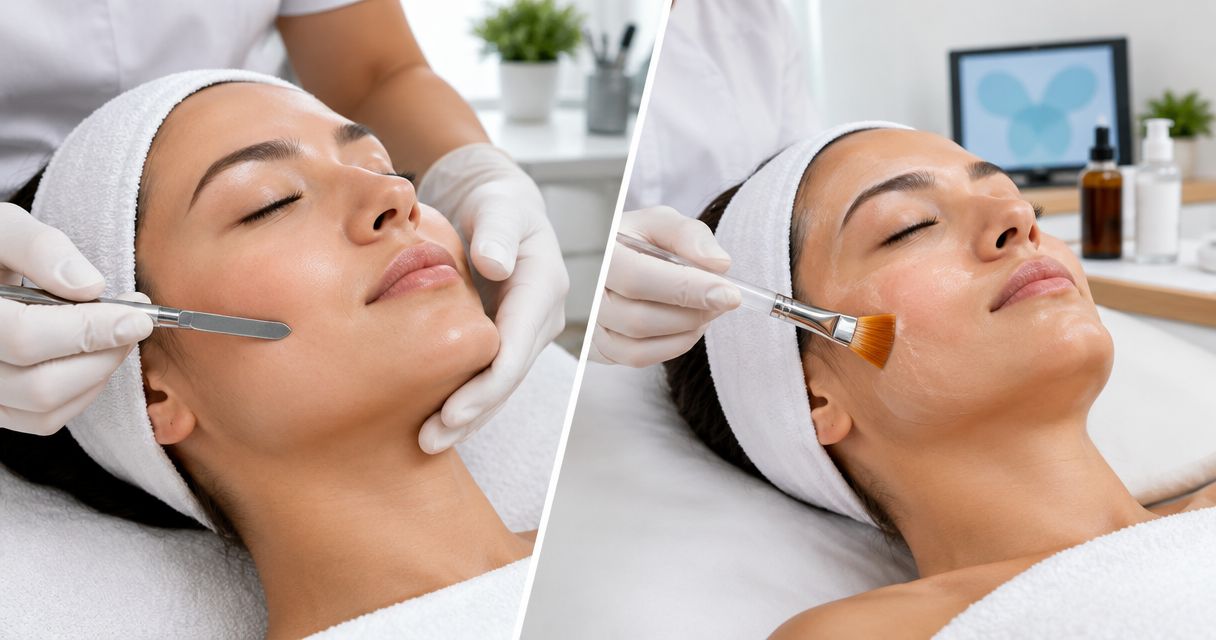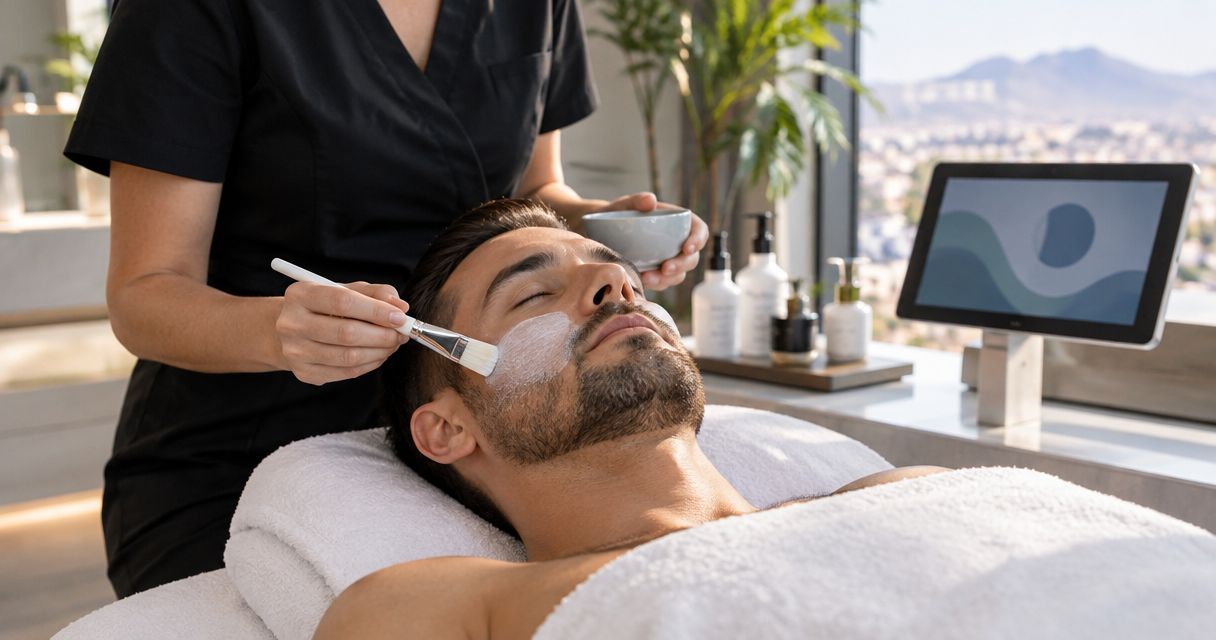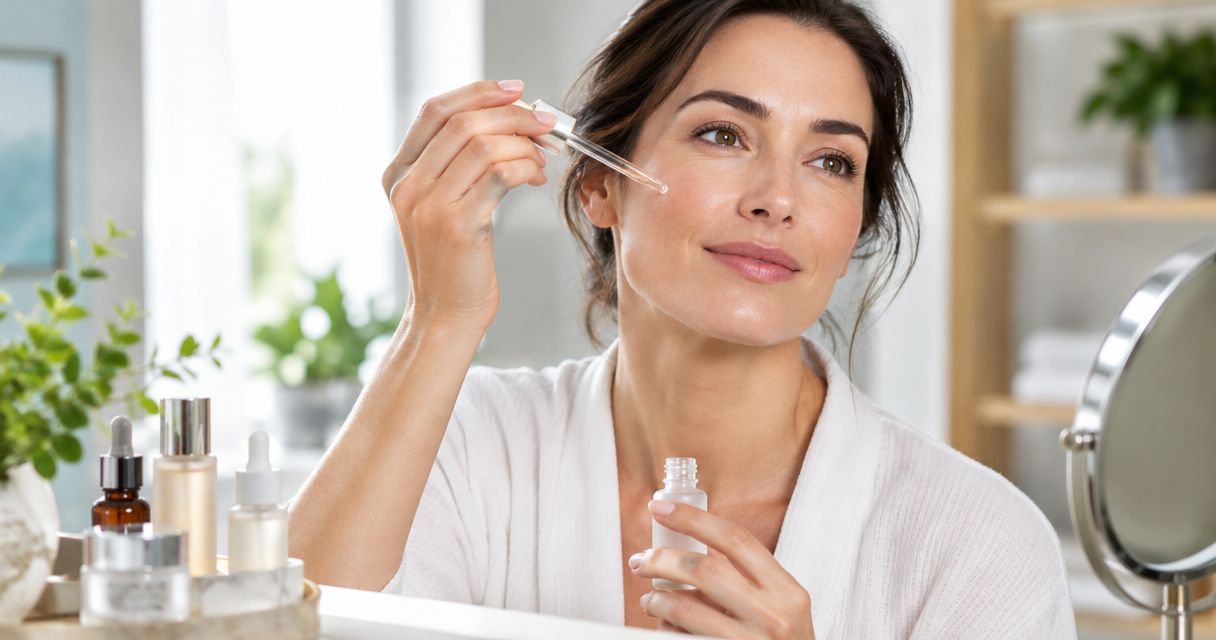
Best overall: a retinol serum for persistent fine lines. Best for dullness alongside wrinkles: a vitamin C serum. Best for dehydration lines: a hyaluronic acid serum. This 2026 guide compares ingredient categories rather than inventing product winners; Bonnie Frances Skin offers professional skincare lines for Phoenix clients seeking skin treatments.
- The best anti-aging serums for fine lines and wrinkles start with retinol when your skin tolerates it.
- Vitamin C suits dullness and uneven tone; hyaluronic acid targets dehydration rather than deeper wrinkles.
- Niacinamide supports the skin barrier; peptide serum results depend on the formula.
- Bonnie Frances Skin offers professional skincare lines alongside facial treatments in Phoenix.
- Pair your serum with moisturizer and broad-spectrum SPF 30 or higher.
Why this matters
A line caused partly by dry skin needs a different approach from a persistent wrinkle associated with sun damage. Hydration can soften the appearance of the first; it does not make a hydrating serum equivalent to a retinoid. Choose the problem before choosing the bottle.
For your 2026 routine, separate three goals: improving persistent fine lines, reducing dullness, and keeping your skin comfortable. One serum does not need to promise all three. An elaborate routine that leaves your face irritated is not an improvement.
Bonnie Frances Skin offers anti-aging skincare options through professional product lines including Skinbetter, Epicutis, Jan Marini, Epionce, and Alastin. Those names alone do not establish which serum fits your skin; the ingredient list, directions, and your treatment history determine that decision.
What makes the best anti-aging serum?
Use these criteria to judge a serum in 2026 before you compare packaging or brand reputation:
- Relevant active ingredient: Retinol addresses persistent fine lines; humectants address dehydration. Those are different jobs.
- Evidence for the intended outcome: Established retinoid evidence does not automatically validate every finished serum or every claim on its label.
- Skin tolerance: A serum must fit your skin's current condition, especially if you experience stinging, redness, or flaking.
- Formula and packaging: Ingredient stability, supporting ingredients, and storage instructions matter alongside the featured active.
- Routine compatibility: Consider exfoliants, prescription treatments, and planned peels or microneedling before adding another active.
- Realistic expectations: A topical serum can improve skin appearance. It does not reproduce the effects of a procedure or erase every wrinkle.
Price, strength, and the number of advertised ingredients are not ranking criteria. A stronger formula is not automatically a better choice for your face.
Best anti-aging serums at a glance
These are ingredient-based recommendations, not endorsements of unspecified products. Check the complete formula before choosing a serum from any category.
| Serum category | Best for | Standout feature | Key limitation |
|---|---|---|---|
| Retinol | Persistent fine lines | Retinoid activity supporting skin renewal | Can cause irritation; avoid during pregnancy |
| Vitamin C | Dullness with uneven tone | Antioxidant support and brightening | Stability and tolerance vary by formula |
| Hyaluronic acid | Dehydration lines | Humectant hydration | Does not offer retinol-equivalent wrinkle treatment |
| Niacinamide | Barrier support with uneven texture | Supports barrier function | Not the strongest standalone choice for persistent wrinkles |
| Peptides | A secondary wrinkle-focused step | Formula-specific peptide activity | Evidence varies substantially between formulas |
1. Retinol: best anti-aging serum for persistent fine lines
Retinol is a vitamin A derivative used in cosmetic skincare. It supports skin renewal and can improve the appearance of fine lines and uneven texture with continued use. Prescription retinoids and cosmetic retinol are not interchangeable, so evidence for one does not establish the performance of every product containing the other.
Retinol is the default category for wrinkle-focused shoppers who can tolerate a retinoid. Start with a formula whose directions fit your experience rather than choosing the highest advertised strength.
Retinol pros
- Addresses fine lines and texture rather than hydration alone.
- Fits a focused evening routine without requiring several additional serums.
- Has a better-established role in photoaging care than many newer cosmetic ingredients.
Retinol cons
- Can cause dryness, redness, peeling, and stinging.
- Is unsuitable during pregnancy; discuss breastfeeding use with your clinician.
- Requires consistency, and early irritation is not proof that it is working better.
Best for: Persistent fine lines on skin that tolerates active skincare.
For a conservative starting routine, try 2 nights per week, unless the product directions or your clinician advise otherwise. Increase use only after your skin tolerates that schedule. Do not introduce retinol and a new exfoliating acid together.
The guide to retinol products for skin renewal covers this ingredient category separately. Stop and reassess if application causes persistent burning or marked irritation.
Verdict: Buy a retinol serum for a wrinkle-first routine; skip it during pregnancy.
2. Vitamin C: best anti-aging serum for dullness and uneven tone
Vitamin C serves a different priority from retinol: antioxidant support and a brighter-looking complexion. It makes sense when fine lines accompany dullness or uneven pigmentation. The form of vitamin C, the surrounding formula, and storage conditions affect the finished product.
Choose vitamin C when tone is your main concern, not because every vitamin C serum promises wrinkle correction. A morning application can fit well under moisturizer and sunscreen, provided the product directions support that use.
Vitamin C pros
- Addresses dullness and uneven-looking tone alongside an anti-aging routine.
- Provides antioxidant activity; sunscreen remains essential.
- Offers a daytime option for readers who reserve retinol for evenings.
Vitamin C cons
- Some formulas sting, particularly on irritated skin.
- Different vitamin C forms are not interchangeable in stability or supporting evidence.
- Does not replace sunscreen or guarantee the same wrinkle results as a retinoid.
Best for: Fine lines accompanied by dullness or uneven tone.
Keep the container closed and follow its storage instructions. If the formula changes unexpectedly, ask the manufacturer whether it remains suitable rather than assuming a darker color means greater potency. Do not add vitamin C to a routine that already makes your skin sting.
Verdict: Buy vitamin C for a tone-first routine; hold if your barrier is irritated.
3. Hyaluronic acid: best anti-aging serum for dehydration lines
Hyaluronic acid is a humectant: it helps attract and retain water in the skin's surface layers. A serum containing it can make dry skin look smoother and temporarily soften the appearance of dehydration-related lines. That cosmetic effect is useful, but it is not the same as treating persistent wrinkles.
Choose hyaluronic acid when tightness and dryness accompany your lines. Apply it according to the label and follow with moisturizer; the serum does not need to perform every moisturizing function by itself.
Hyaluronic acid pros
- Targets dryness-related lines without relying on exfoliation.
- Can support a routine that includes a tolerated retinoid.
- Gives hydration a clear role separate from wrinkle treatment.
Hyaluronic acid cons
- Primarily improves hydration, not deeper structural wrinkles.
- A serum alone can leave dry skin needing a more substantial moisturizer.
- Fragrance or other ingredients in the formula can still irritate sensitive skin.
Best for: Fine lines that look more noticeable when your skin feels dry or tight.
A hyaluronic acid serum is optional if your moisturizer already provides comfortable hydration. Avoid adding it simply to make your routine longer. For dry skin, a well-tolerated moisturizer can be the more useful first purchase.
Verdict: Buy for dehydration lines; skip if your moisturizer already meets that need.
4. Niacinamide: best anti-aging serum for barrier support
Niacinamide is a form of vitamin B3 used in skincare for barrier support and improvements in uneven tone and texture. It earns a place when your routine needs comfort and support rather than another aggressive treatment step. The complete formula still matters.
Choose niacinamide for a barrier-first routine, not as an automatic replacement for retinol. Higher advertised concentrations are not a guarantee of better results, and some formulas cause stinging or redness.
Niacinamide pros
- Supports skin barrier function.
- Addresses uneven-looking tone and texture.
- Can be part of a simpler routine alongside moisturizer and sunscreen.
Niacinamide cons
- Is not the strongest standalone category for persistent wrinkles.
- Can still irritate, especially in an unsuitable formula.
- Often duplicates an ingredient already present in your moisturizer.
Best for: Readers prioritizing barrier support alongside mild texture concerns.
Check your existing products before adding a separate serum. If your moisturizer already contains niacinamide and works well, a second niacinamide product has no automatic advantage. Persistent redness or burning needs assessment rather than another cosmetic active.
Verdict: Buy when barrier support is the missing step; skip unnecessary duplication.
5. Peptides: best anti-aging serum for a secondary treatment step
Peptides are short chains of amino acids used in many cosmetic formulas. Different peptides serve different purposes, and evidence belongs to the specific ingredient or finished formula studied. The word peptides on a label does not establish a predictable wrinkle result.
Choose a peptide serum only after your basic routine works. Look for clear ingredient information and evidence relevant to the finished product rather than treating every peptide blend as equivalent.
Peptide serum pros
- Offers an additional category for readers who already have a stable routine.
- Can provide hydration through the formula's supporting ingredients.
- Allows a formula-specific choice rather than relying on one ingredient family alone.
Peptide serum cons
- Clinical evidence varies across peptides and finished products.
- Does not automatically match retinoid evidence for photoaging.
- Adds complexity without ensuring an additional visible benefit.
Best for: Readers considering an optional second step after moisturizer, sunscreen, and a tolerated primary active.
Judge the whole product. A peptide serum that moisturizes well can still be useful, but hydration benefits do not prove a peptide-specific effect.
Verdict: Hold until the essentials are settled; buy only for a clear additional purpose.
Build the routine without creating irritation
For a practical 2026 routine, choose one main serum goal and follow this sequence. Keep the products already working for you instead of replacing everything at once.
Start simple
Introduce 1 new product at a time. Use a gentle cleanser, moisturizer, and broad-spectrum SPF 30 or higher as the foundation. Follow sunscreen directions and reapply every 2 hours when outdoors, and after swimming or sweating.
Check tolerance
Watch for persistent stinging, increased redness, or flaking. Reduce or stop the new active if it irritates your skin. Ask your treating provider when to pause and restart active products around a chemical peel or microneedling appointment; there is no universal schedule for every treatment.
Add selectively
Add another serum only when it addresses a separate concern. Retinol plus a needed moisturizer is more purposeful than several overlapping actives. Vitamin C is an optional tone-focused step, not a requirement for every face.

How these categories are ranked
This 2026 ranking prioritizes the match between an ingredient category and a specific concern, then considers evidence, tolerance, and routine complexity. Retinol leads for persistent fine lines; hyaluronic acid leads for dehydration. Those verdicts answer different questions.
Bonnie Frances Skin offers professional skincare lines, but brand reputation alone does not determine this ranking. No specific serum wins without its formula and intended use being established.
Which anti-aging serum should you choose?
Choose retinol as the default for persistent fine lines in 2026 if your skin tolerates it and you are not pregnant. Choose hydration first when dryness dominates; choose vitamin C when uneven tone is the bigger concern.
Bonnie Frances Skin is best suited to Phoenix clients seeking professional skincare lines alongside facial treatments. Keep the home routine focused, and ask your provider how it fits any planned procedure rather than treating a serum as a substitute for treatment advice.
FAQ
What's the best anti-aging serum for fine lines and wrinkles?
A retinol serum is the default category for persistent fine lines when your skin tolerates it. Hyaluronic acid is the better match for dehydration lines, while vitamin C suits dullness and uneven tone.
Is retinol better than hyaluronic acid for wrinkles?
Retinol is better suited to persistent fine lines; hyaluronic acid is better suited to dehydration. Hyaluronic acid can temporarily smooth dry-looking skin, but it does not provide equivalent retinoid activity.
Can I use vitamin C and retinol in the same routine?
Vitamin C and retinol can belong to the same routine if you tolerate both formulas. Using vitamin C in the morning and retinol in the evening separates the steps; introduce them individually and follow product directions.
What should I choose if my skin is sensitive?
Start with a well-tolerated moisturizer and sunscreen before adding a wrinkle-focused active. A hydrating serum is optional, and every formula still needs assessment for ingredients that irritate your skin.
How long does an anti-aging serum take to work?
There is no single timeline for all anti-aging serums. Hydration effects and changes from retinoid use are different outcomes; follow the product instructions and do not increase use to chase faster results.
Can I use retinol while pregnant?
Avoid retinol and other retinoids during pregnancy. Ask your obstetric clinician about suitable alternatives, and discuss retinoid use separately if you are breastfeeding.
Does Bonnie Frances Skin offer professional skincare products?
Bonnie Frances Skin offers professional skincare lines including Skinbetter, Epicutis, Jan Marini, Epionce, and Alastin. Match the specific formula to your skin concerns and any planned facial treatments.
One last thing
You do not need a serum for every useful ingredient. Your moisturizer can already supply humectants or niacinamide, and adding another bottle can duplicate its job. Before buying, read your existing ingredient lists and identify the one concern your routine does not address.