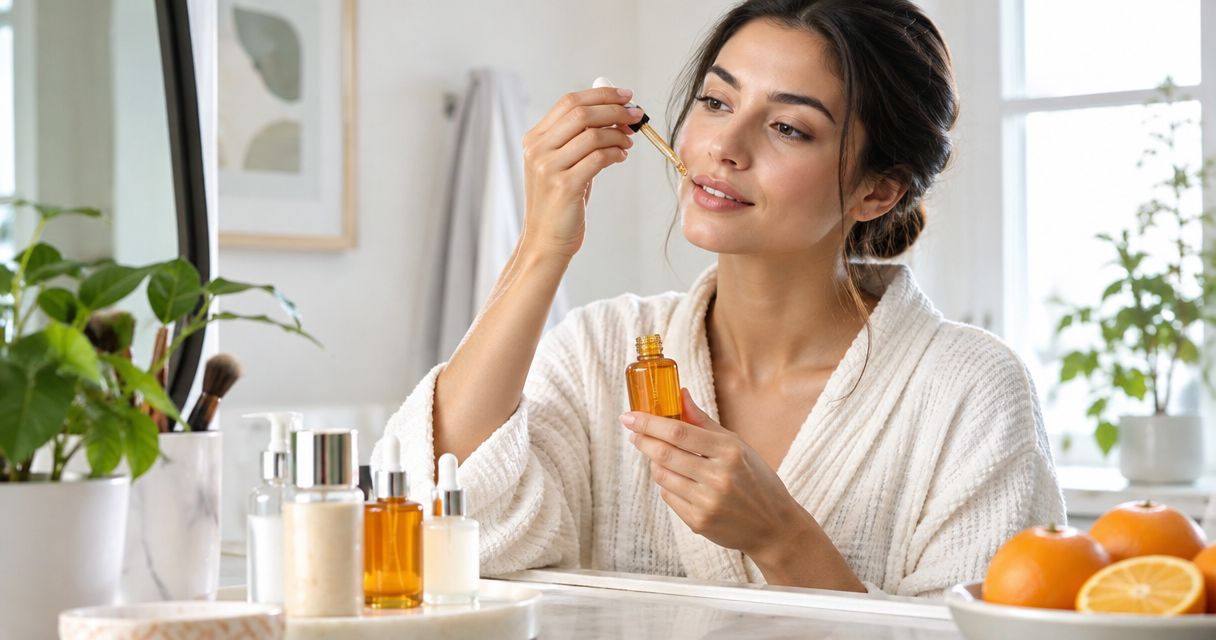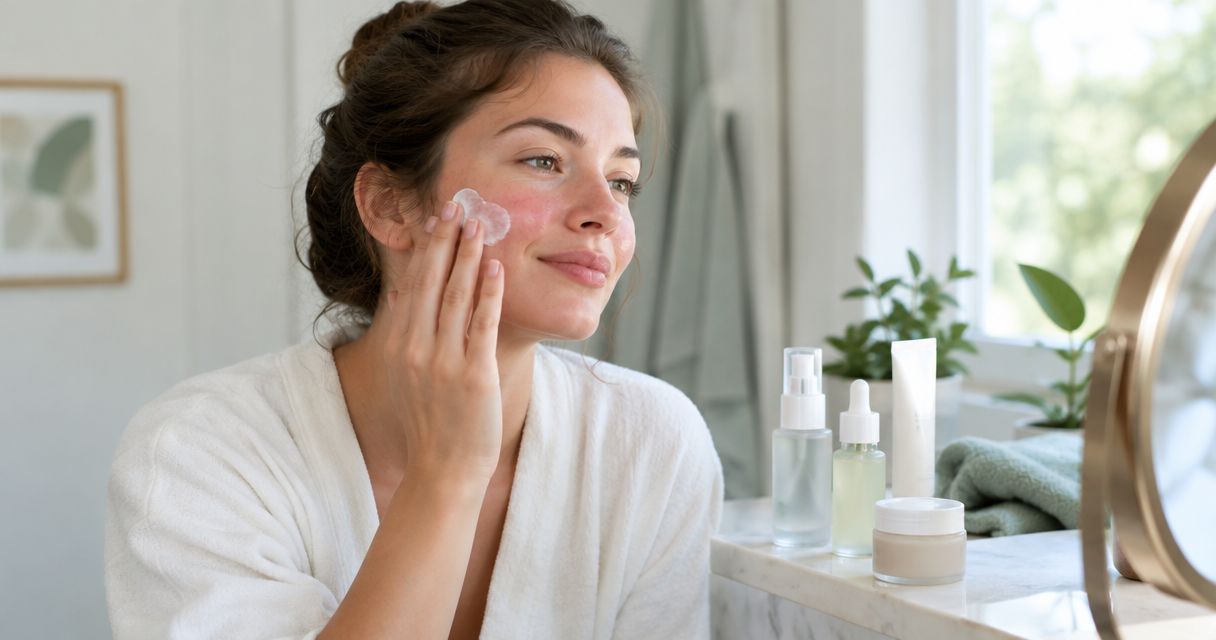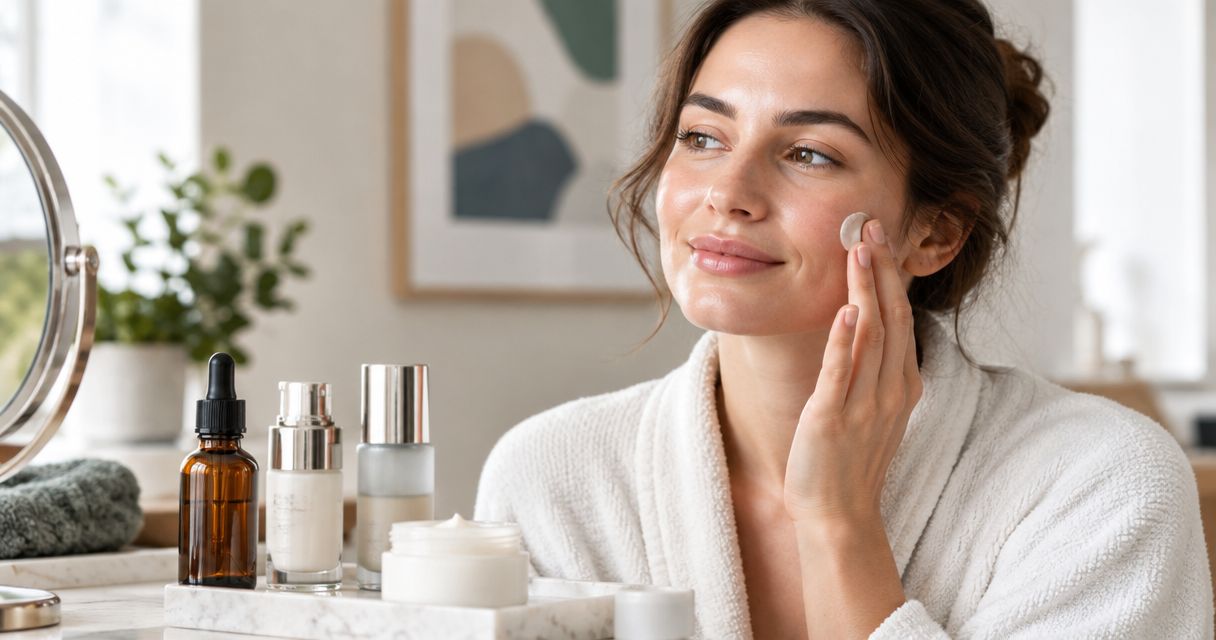
Best overall: a moisturizing retinol cream for a straightforward facial routine. Best for oily skin: a lightweight retinol serum; best for a tolerability-focused routine: an encapsulated retinol formula; best for body texture: a retinol body lotion. This 2026 guide compares the best retinol products for skin renewal by formulation and use case—not by packaging or promises.
- The best retinol products for skin renewal match your skin's tolerance, treatment area, and existing routine.
- Moisturizing retinol cream is the default choice for facial skin renewal when dryness is a concern.
- Lightweight retinol serum suits readers who prefer less-rich textures; encapsulation alone does not guarantee gentleness.
- Bonnie Frances Skin offers Phoenix clients facials and professional skincare lines alongside other skin treatments.
- Daily broad-spectrum SPF 30 or higher belongs in a retinol routine.
Why this matters
Retinol is a vitamin A derivative used in skincare to address signs of photoaging, uneven texture, and fine lines. Your best option is a formula you can use consistently without persistent irritation. A stronger-looking label does not establish a better result.
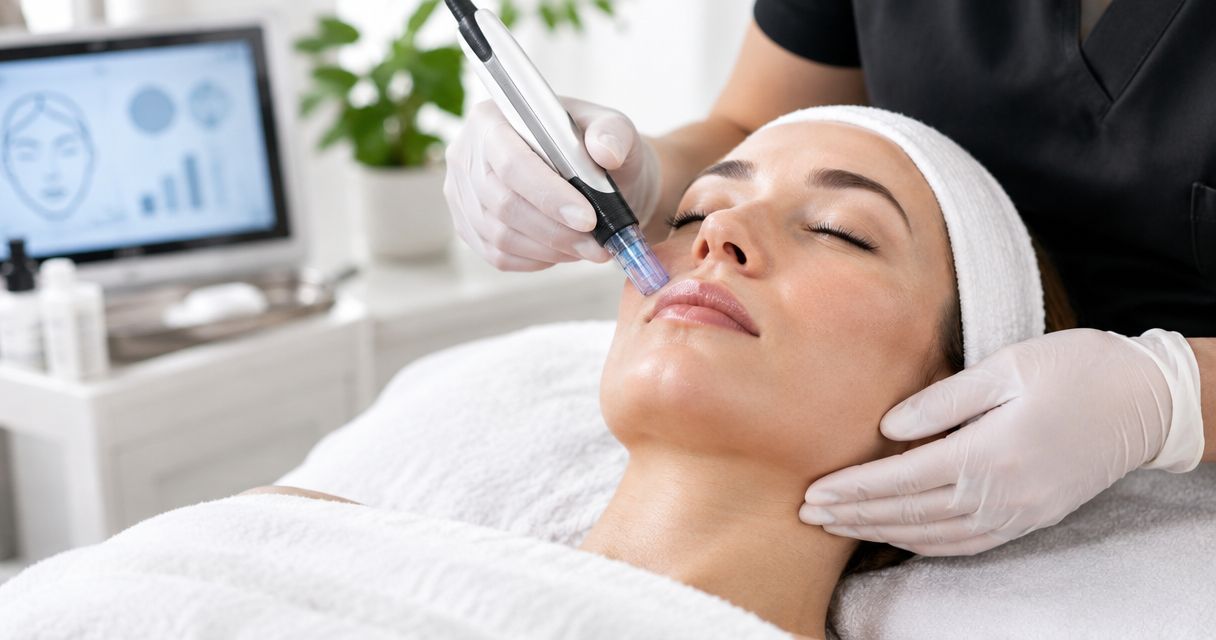
Bonnie Frances Skin is a local option for Phoenix clients seeking facials alongside a skin-renewal routine. Bonnie Frances Skin offers facials, hydrafacials, dermaplaning, SkinPen microneedling, chemical peels, and professional skincare lines. Keep home retinol use coordinated with any treatment instructions rather than treating each part of your routine separately.
Retinol is not an exfoliating acid, and peeling is not the goal. If your skin becomes sore, persistently red, or cracked, stop treating irritation as evidence that the product is working.
What makes the best retinol products for skin renewal?
For this 2026 comparison, the deciding criteria are practical. Read the complete label, not just the word retinol on the front.
- Skin compatibility: Choose a texture that suits your dryness, oiliness, and history of irritation. A comfortable routine beats an unnecessarily aggressive one.
- Retinoid identity: Retinol, retinal, adapalene, and tretinoin are different ingredients. Do not assume their percentages or instructions are interchangeable.
- Supporting ingredients: Moisturizers such as glycerin and ceramides help support hydration and the skin barrier. Review the full formula for ingredients you already know irritate your skin.
- Packaging: Retinol is sensitive to light and oxygen. Packaging that limits exposure is a useful selection criterion, although it does not prove the finished formula's stability.
- Treatment area: Facial and body products have different intended uses. Follow the label rather than assuming a facial serum belongs everywhere.
- Routine fit: Consider your cleanser, moisturizer, sunscreen, exfoliants, and planned procedures. Avoid adding several potentially irritating treatments at once.
These criteria separate a sensible purchase from an impressive label. They also explain why there is no single retinol percentage that is right for every reader.
Best retinol options at a glance
These are formulation categories, not mutually exclusive ingredients. A cream or serum can also contain encapsulated retinol; use the table to identify your priority before comparing individual labels.
| Rank and option | Best for | Standout feature | Key limitation |
|---|---|---|---|
| 1. Moisturizing retinol cream | A default facial routine with dryness concerns | Combines retinol with a richer moisturizing base | Rich textures do not suit every preference |
| 2. Lightweight retinol serum | Oily skin and lightweight layering | Less-rich application texture | Often needs a separate moisturizer |
| 3. Encapsulated retinol formula | Readers prioritizing delivery design and tolerability | Retinol incorporated into a delivery system | Encapsulation does not guarantee less irritation |
| 4. Retinol body lotion | Uneven body texture on label-approved areas | A spreadable format intended for body application | Not automatically appropriate for facial use |
Choose by the problem you need the formula to solve. Texture, supporting ingredients, and application instructions matter alongside the retinol itself.
1. Moisturizing retinol cream: best for a default facial routine
A moisturizing retinol cream combines retinol with a cream base. It is the clearest starting category when you want facial skin renewal but already struggle with tightness or dryness. The moisturizing base does not remove retinol's irritation risk.
Look for clear application directions and ingredients that support your existing routine. If you already use a rich moisturizer comfortably, a cream format is a logical texture to consider—not proof that every retinol cream will suit you.
Moisturizing retinol cream pros:
- Pairs a renewal ingredient with a moisturizing texture.
- Suits readers who dislike the feel of thin serums.
- Fits a simple evening skincare routine.
- Offers a useful default category when dryness drives the decision.
Moisturizing retinol cream cons:
- A richer texture can feel heavy on oily skin.
- Retinol can still cause redness, dryness, and discomfort.
- Added fragrance or other ingredients can make a particular formula unsuitable.
Best for: Normal-to-dry facial skin and readers who want a straightforward product category to evaluate.
Verdict: Buy a moisturizing retinol cream if its label, texture, and ingredients fit your skin. Do not choose it solely because the packaging describes it as intensive.
2. Lightweight retinol serum: best for oily skin and layering
A lightweight retinol serum puts the ingredient into a fluid format. It suits readers who prefer a less-rich feel or want to keep their moisturizer separate. Serum texture does not establish strength, effectiveness, or suitability for acne.
Evaluate the entire formula before choosing. A light-feeling product can still contain irritating ingredients, and oily skin can still become dehydrated or uncomfortable during retinol use.
Lightweight retinol serum pros:
- Offers an alternative to richer cream textures.
- Lets you choose a separate moisturizer that suits your skin.
- Fits routines built around lightweight layers.
Lightweight retinol serum cons:
- A serum does not necessarily provide enough moisturization on its own.
- Thin texture does not mean low irritation risk.
- Retinol skincare is not interchangeable with a medical acne treatment.
Best for: Oily or combination skin when your main preference is a lightweight application texture.
Verdict: Buy a lightweight retinol serum if richer creams feel uncomfortable and you have a suitable moisturizer. Skip the assumption that oily skin needs a stronger retinoid.
3. Encapsulated retinol formula: best for delivery-focused selection
Encapsulated retinol is incorporated into a delivery system rather than simply described by texture. Encapsulation can be designed to influence stability or release, but the finished product determines performance. The word encapsulated is not a guarantee of gentleness.
Choose this category when you want to examine how a manufacturer explains its formulation. Keep your attention on the complete ingredients and directions; an encapsulated serum and an encapsulated cream can feel very different.
Encapsulated retinol formula pros:
- Makes delivery design part of the product comparison.
- Can appear in either cream or serum formats.
- Lets you assess texture and delivery approach separately.
Encapsulated retinol formula cons:
- Encapsulation alone does not prove better tolerance.
- Products using the term are not automatically equivalent.
- Retinol-related irritation remains possible.
Best for: Readers who want delivery-system information to inform their choice, especially after an uncomfortable experience with another formula.
Verdict: Hold until the complete formula and instructions fit your needs. If your skin is currently irritated, switching to an encapsulated product is not a substitute for letting the irritation settle.
4. Retinol body lotion: best for uneven body texture
A retinol body lotion is intended for application to body areas identified on its label. It is the relevant category when your concern is body texture rather than facial fine lines. The lotion base makes application across body areas practical.
Keep the treatment area specific. Do not use a body formula on your face, neck, or sensitive areas unless its instructions permit that use, and avoid applying retinol to broken or irritated skin.
Retinol body lotion pros:
- Matches the product format to a body-focused concern.
- Combines a lotion texture with a renewal ingredient.
- Keeps body treatment separate from your facial routine.
Retinol body lotion cons:
- Body skin can still develop irritation.
- Facial use is not automatically appropriate.
- Persistent bumps, rashes, or changing lesions need assessment rather than a cosmetic experiment.
Best for: Readers targeting uneven texture on body areas approved by the product label.
Verdict: Buy a retinol body lotion for a clearly defined body concern. Skip it as a catch-all treatment for unexplained skin changes.
How we ranked these retinol options
This 2026 ranking prioritizes routine fit, texture, treatment area, and clear instructions. Moisturizing retinol cream takes the default position because it combines the renewal ingredient with a moisturizing format; the other categories address distinct preferences or application areas.
The ranking does not treat ingredient strength as a competition. It also does not treat delivery terminology as proof of clinical results. Choose the complete formula, not an isolated claim.
How to build a retinol routine without stacking irritation
Start by reviewing the product's directions and your existing routine. Keep cleansing gentle, retain a suitable moisturizer, and introduce retinol without simultaneously adding exfoliating acids or other new active products.
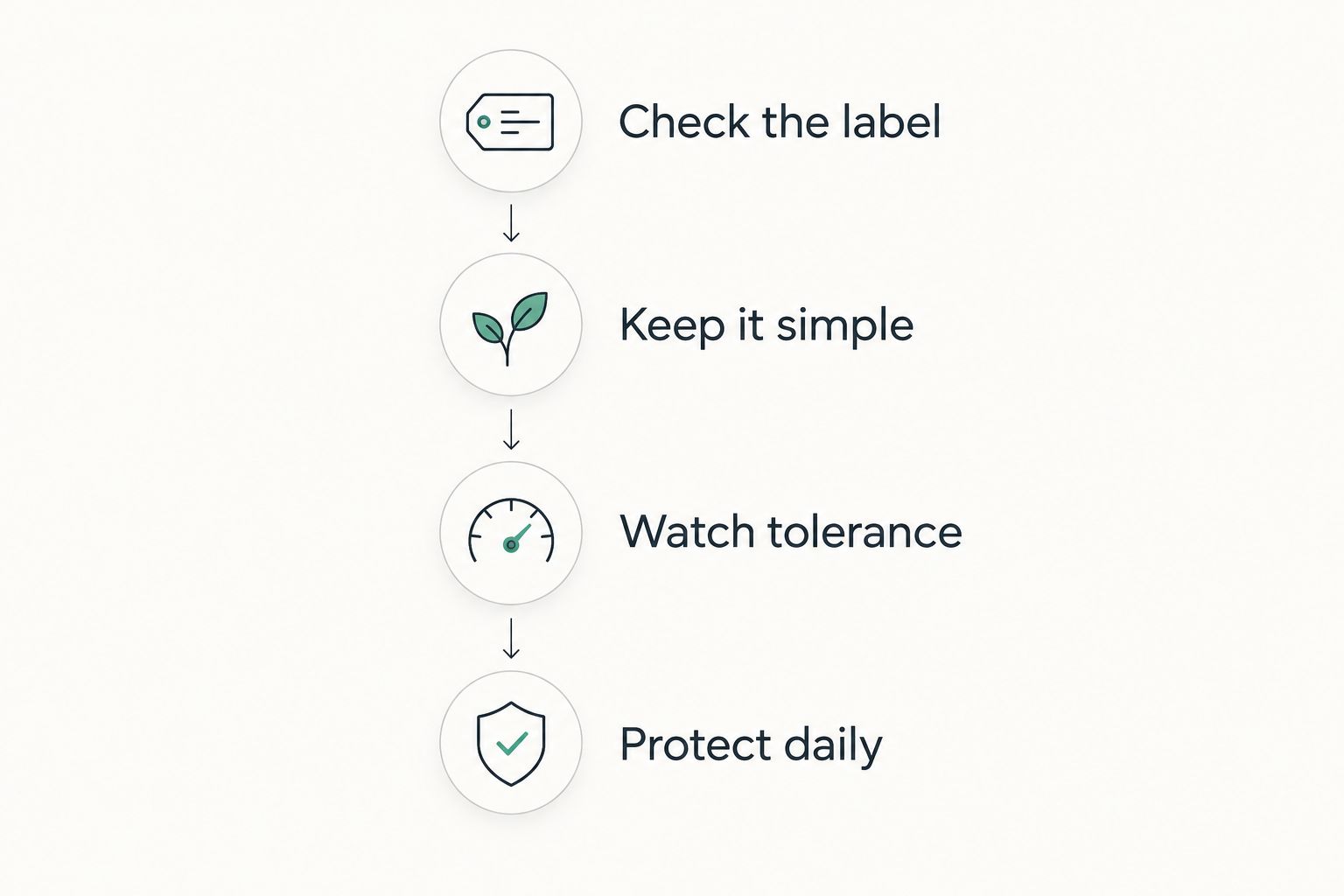
Use these priorities in order:
- Check the label: Confirm the ingredient, intended area, and application instructions.
- Keep it simple: Avoid introducing several potentially irritating products together.
- Watch tolerance: Persistent burning, redness, or cracking means stop and seek advice.
- Protect daily: Use sunscreen and other sun-protection measures consistently.
For this 2026 guide, the sun-protection baseline follows American Academy of Dermatology guidance for everyday outdoor exposure: choose broad-spectrum, water-resistant SPF 30 or higher, apply sunscreen 15 minutes before going outdoors, and reapply every 2 hours outdoors, or after swimming or sweating. Clothing and shade remain part of protection; sunscreen is not permission to prolong exposure.
If you receive chemical peels, dermaplaning, microneedling, or other treatments, follow the treating professional's instructions about stopping and restarting retinoids. Bonnie Frances Skin offers these treatment categories, so discuss your home retinol routine when planning your care. Do not apply a generic pause schedule to every procedure.
Explore your skin treatment options
Review Bonnie Frances Skin's Phoenix clinic alongside your home skin-renewal routine.
Which retinol product should you choose?
Choose a moisturizing retinol cream as the default when facial renewal and dryness are your priorities. Choose a lightweight serum when texture preference drives the decision, an encapsulated formula when you want to evaluate delivery design, or a body lotion for a body-specific concern.
For your 2026 routine, make the decision narrower rather than more complicated. Identify the treatment area, the texture you tolerate, and the ingredients you want to avoid. Then compare labels within that category.
Skip retinol during pregnancy or while trying to conceive. If you are breastfeeding, have an active skin condition, or use prescription skin treatments, ask a qualified clinician before adding a retinoid. Cosmetic shopping advice does not replace individualized medical guidance.
FAQ
What's the best retinol product for skin renewal?
A moisturizing retinol cream is the default category for facial skin renewal when dryness is a concern. A lightweight serum or body lotion is a better category match when your texture preference or treatment area differs.
Is retinol cream better than retinol serum?
Retinol cream is not universally better than retinol serum. Cream suits a richer-texture preference, while serum suits lightweight layering; the complete formula and your tolerance determine the practical choice.
Is encapsulated retinol always gentler?
Encapsulated retinol is not automatically gentler. Delivery design is only part of a formula, and supporting ingredients, application instructions, and individual tolerance still matter.
Can I use retinol if I have sensitive skin?
Sensitive skin needs an individualized decision before retinol use. Avoid starting on actively irritated skin, and ask a qualified clinician for guidance if you have persistent redness, eczema, rosacea, or a history of strong reactions.
Can I use retinol with chemical peels or microneedling?
Retinol use around chemical peels or microneedling must follow your treating professional's instructions. The appropriate pause and restart depend on the procedure and your skin's recovery, not a universal schedule.
What sunscreen should I use with retinol?
Use a broad-spectrum, water-resistant sunscreen with SPF 30 or higher. American Academy of Dermatology guidance also recommends reapplication every 2 hours outdoors and after swimming or sweating.
Is retinol the same as tretinoin or adapalene?
Retinol, tretinoin, and adapalene are different retinoids. Do not substitute one for another or compare their percentages as though they were equivalent.
Can I use retinol while pregnant?
Avoid retinol and other topical retinoids during pregnancy or while trying to conceive. Ask your healthcare professional about suitable alternatives for your skin concerns.
One last thing
Visible peeling is not a requirement for skin renewal. Do not escalate a product because your skin looks comfortable, and do not celebrate persistent irritation as progress. The most useful purchase is the one that fits a routine you can maintain safely.