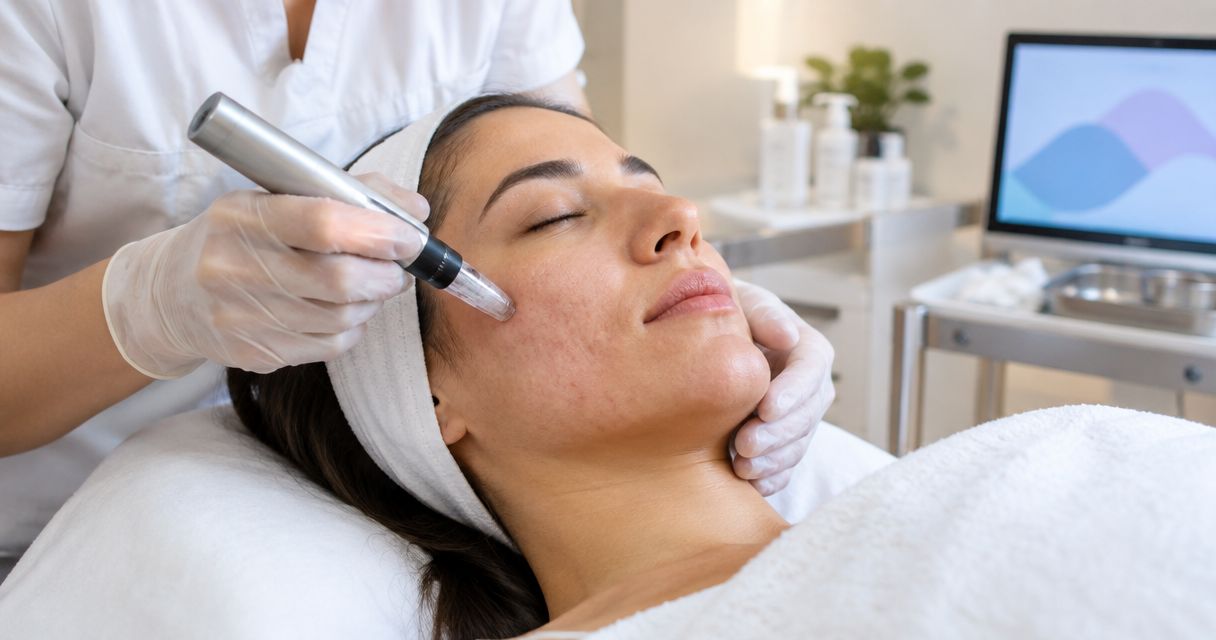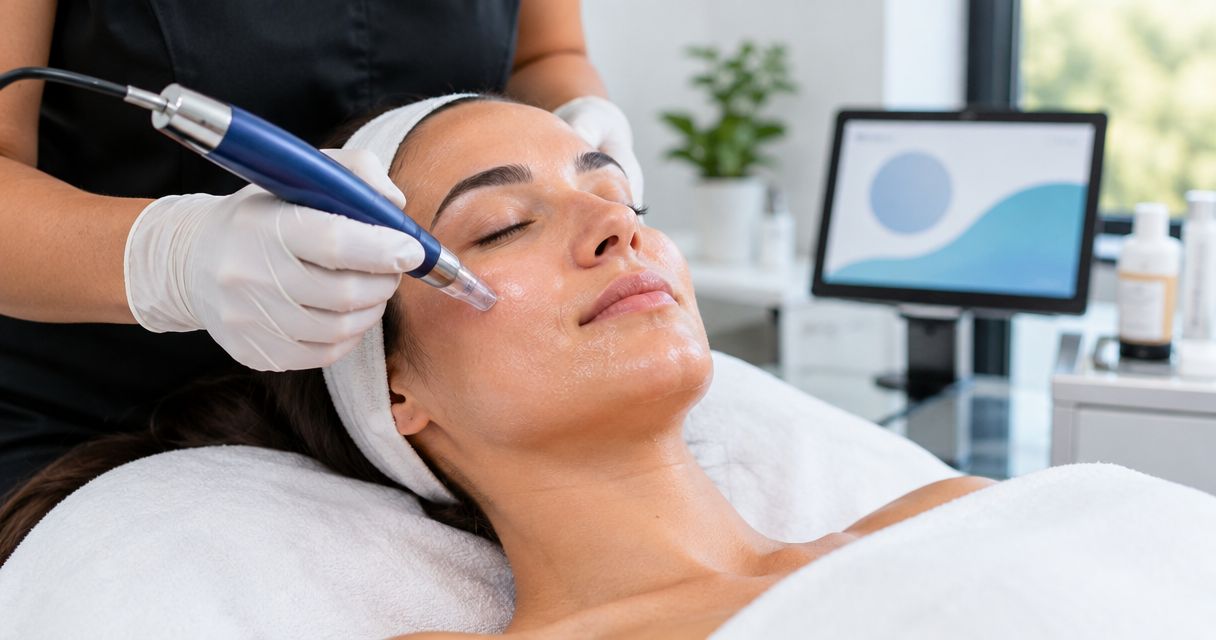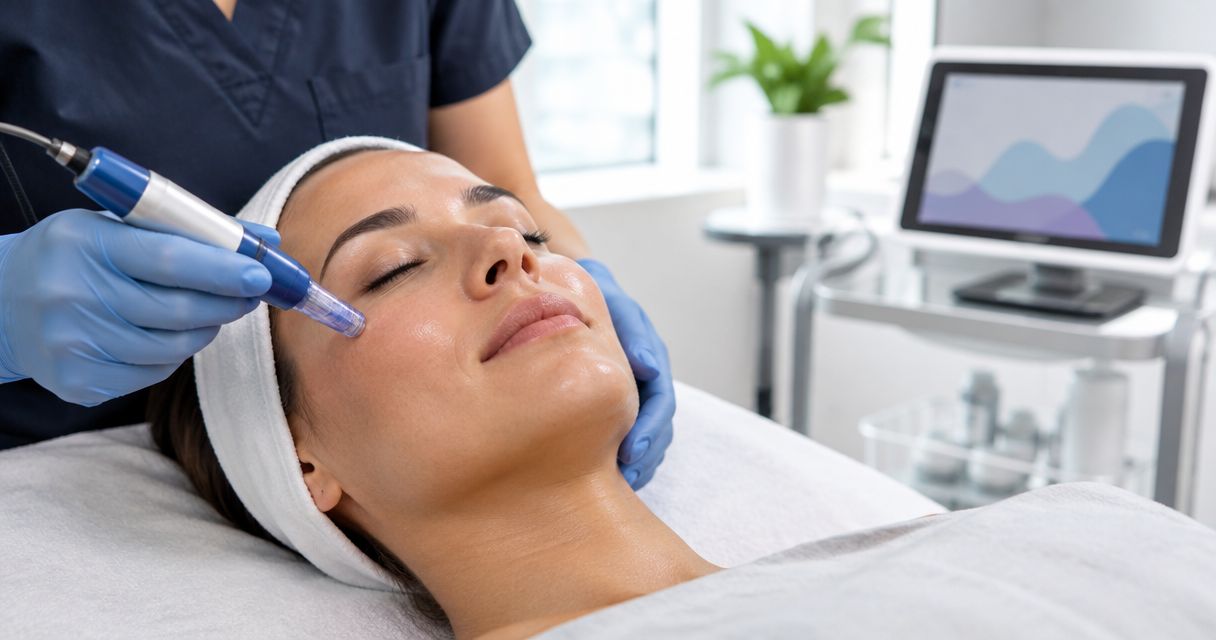
SkinPen microneedling can hurt, but topical numbing is commonly used to reduce discomfort; you can still feel pressure, vibration, scratching, or brief stinging. Your sensitivity, the treatment area, and the treatment settings affect what you feel, and warmth or tenderness can continue after the appointment. For your 2026 treatment decision, expect a comfort plan—not a promise of a painless procedure.
- Is SkinPen microneedling painful? Discomfort varies, and topical numbing reduces sensation without guaranteeing a painless treatment.
- SkinPen microneedling can cause scratching, pressure, and temporary tenderness; report sharp or escalating pain immediately.
- Bonnie Frances Skin offers SkinPen microneedling in Phoenix; discuss comfort, skin history, and aftercare before treatment.
- Choose treatment for an appropriate skin concern, not because discomfort is described as proof that it works.
Why this matters
Pain during treatment and tenderness afterward are separate parts of the decision. Numbing can make the procedure more comfortable, but it does not eliminate the need for aftercare or make irritated skin ready for treatment.
If you are considering Bonnie Frances Skin, ask about your skin concern and your comfort needs together. A useful consultation explains what the treatment can address, what sensations to expect, and what happens if you need a pause.
Is SkinPen microneedling painful?
SkinPen microneedling causes variable discomfort rather than a predictable pain level. The needles create controlled punctures in the skin, so pressure, prickling, and a scratching sensation are understandable parts of the experience. Topical anesthetic reduces sensation, but individual responses differ.
A single online pain score cannot tell you how your appointment will feel. Someone describing gentle vibration and someone describing uncomfortable stinging can be reporting different treatment areas, settings, skin conditions, or responses to numbing.
The useful distinction is between sensations you can comfortably tolerate and sensations that require your provider to reassess. You do not need to endure worsening pain to complete a successful appointment.
| Stage | What you can feel | What to do |
|---|---|---|
| Numbing preparation | Reduced surface sensation; irritation is also possible | Report burning, itching, or a previous anesthetic reaction |
| Treatment passes | Vibration, pressure, scratching, or prickling | Tell your provider whether the sensation is manageable |
| A sensitive area | More noticeable stinging or discomfort | Ask for a pause and reassessment |
| Early recovery | Warmth, tightness, tenderness, or sensitivity | Follow the written aftercare instructions |
| A concerning reaction | Severe or increasing pain, spreading redness, or drainage | Contact your treating provider promptly |
This table describes possible sensations, not a required sequence. You do not need to experience every sensation, and an absence of strong pain does not mean the procedure failed.
What does numbing change?
Topical anesthetic reduces pain signals from the treated skin. It does not necessarily remove awareness of pressure, movement, or vibration, which is why feeling the device move is not the same as feeling sharp pain.
Ask which anesthetic your provider intends to use and disclose previous reactions to numbing medicines. Also mention prescription medicines, nonprescription products, supplements, and relevant medical conditions so the provider can assess the plan.
Do not apply your own numbing cream before the appointment unless your treating clinician specifically instructs you to do so. The FDA warns that certain topical pain-relief products marketed for cosmetic procedures can cause serious harm, particularly when used improperly. More cream, a stronger product, or covering a large area is not a safe substitute for professional direction.
Before a 2026 appointment, confirm the current preparation instructions directly with your provider. Instructions from an old appointment, a different clinic, or a social media video are not your treatment plan.
What does recovery discomfort feel like?
After microneedling, your skin can feel warm, tight, tender, or unusually sensitive. Redness and swelling are also recognized reactions. These effects belong in your planning even if the treatment itself feels manageable.
Do not use another person's recovery photo as your deadline. Treatment intensity, your skin's condition, and your individual response affect recovery, and redness alone does not capture how sensitive your skin feels.
The American Academy of Dermatology's patient guidance on microneedling identifies temporary redness, swelling, and discomfort among potential effects. It also distinguishes professional treatment from at-home needling, which carries risks when performed incorrectly.
Ask your provider to explain the expected recovery for your specific treatment and give you a way to contact the clinic. Pain that becomes severe or keeps increasing is a reason to seek advice, not a reason to add more skincare products.
Why SkinPen microneedling discomfort varies
Several factors affect how treatment feels. Discuss these before the procedure rather than trying to predict your experience from a review.
- Treatment area: Sensitivity differs across the face and between individuals. Tell your provider about areas that are particularly uncomfortable for you.
- Treatment settings: Needle depth and the treatment plan affect the tissue being treated. Settings should match the clinical goal, not your willingness to tolerate pain.
- Numbing response: The anesthetic, its appropriate application, and your individual response influence comfort. Numbing does not produce identical results for everyone.
- Current skin condition: Sunburn, irritation, inflammation, or an active skin problem needs assessment before treatment. Do not hide a flare to keep an appointment.
- Personal sensitivity: Previous painful experiences and anxiety matter to your comfort plan. Explain what helped or made things worse during earlier procedures.
- Recovery care: Products and activities that irritate recently treated skin can add discomfort afterward. Follow the instructions for your procedure rather than your usual routine.
No factor on this list justifies a fixed pain promise. Your provider should assess your skin and explain the plan before beginning.
How can you make the appointment more comfortable?
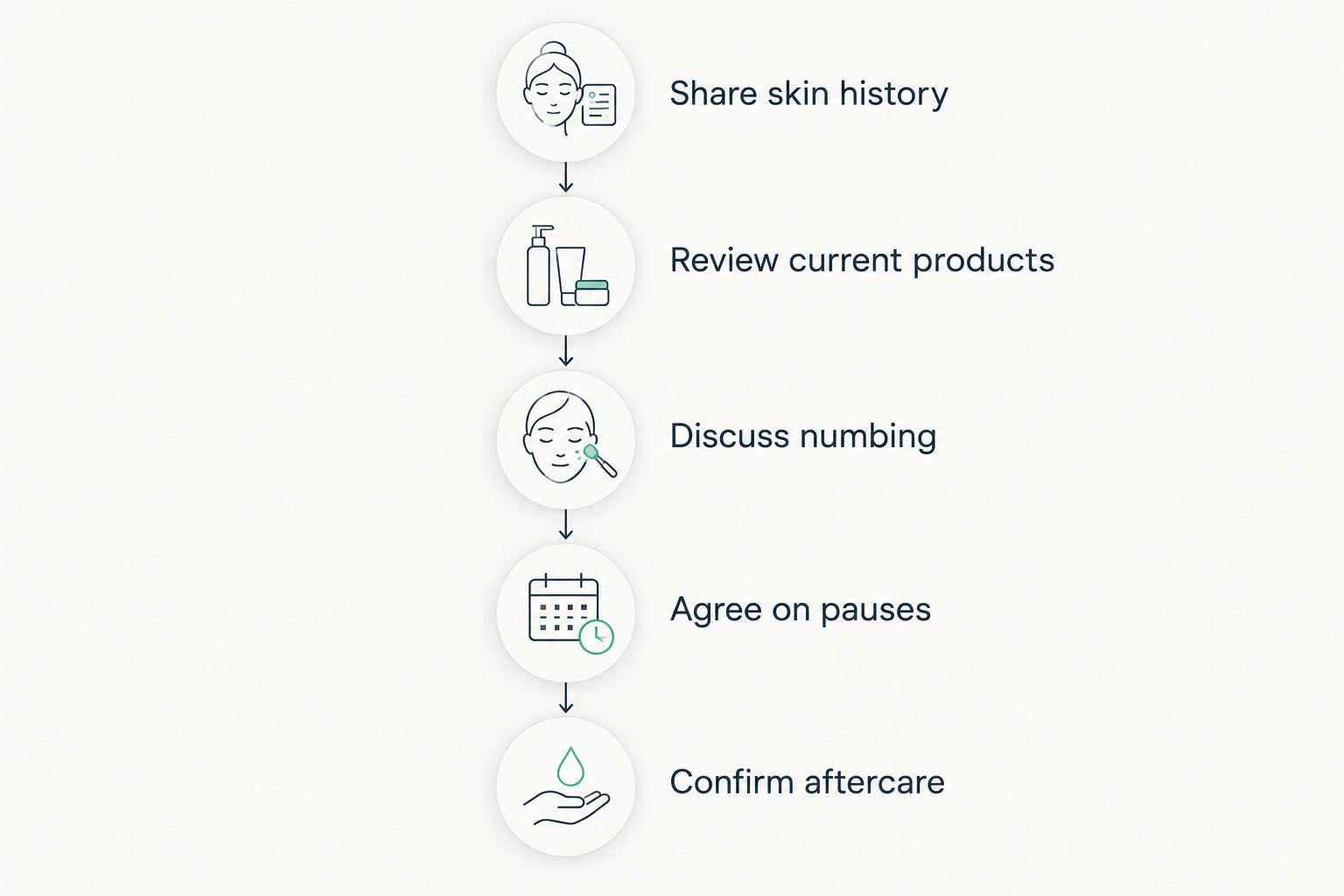
Use this sequence as your 2026 consultation checklist. It focuses on communication and preparation, not self-prescribed medication or changes to treatment settings.
- Share skin history. Mention cold sores, abnormal scarring, skin infections, recent procedures, allergies, and previous reactions to treatment. Your provider needs this information to assess suitability.
- Review current products. Bring a list of your skincare and medicines, including retinoids and exfoliating products. Ask what to pause and when; do not stop prescribed medication without the prescriber's advice.
- Discuss numbing. Ask what will be used, how the provider checks readiness, and what happens if you remain uncomfortable. Avoid assuming every clinic uses the same protocol.
- Agree on pauses. Decide how you will signal discomfort before treatment begins. A simple verbal request is enough; you do not need to wait until pain becomes intense.
- Confirm aftercare. Get written instructions and a contact method for concerns. Ask specifically about cleansing, moisturizer, sun protection, makeup, exercise, and restarting active ingredients.
Your provider also needs to hear about practical concerns. If you are afraid of needles, have previously felt faint during procedures, or need to return to an outdoor job, say so before the appointment rather than after treatment starts.
Is SkinPen microneedling worth the discomfort?
SkinPen microneedling is a treatment to consider for an appropriate skin concern, not a test of pain tolerance. Microneedling is used for concerns including acne scarring, but suitability and expected improvement require an individual assessment.
The potential benefit is improvement in the appearance of a concern that responds to treatment. The trade-offs include discomfort, recovery restrictions, and risks such as infection, pigment changes, and scarring. Results are not guaranteed, and a treatment course can involve more than one appointment.
Bonnie Frances Skin is a local option for Phoenix clients seeking SkinPen microneedling. That makes the clinic relevant to your consultation search; it does not establish that the procedure is right for your skin or that your appointment will be painless.
Ask what improvement is realistic for your concern and what would make your provider recommend against treatment. A recommendation should explain both the expected benefit and the reasons to wait, change the plan, or choose a different approach.
Does more pain mean better results?
More pain does not mean better microneedling results. Pain reflects your sensory response, not a reliable measurement of collagen production or eventual improvement.
Do not request stronger settings simply because treatment feels tolerable. Appropriate settings depend on the treatment area, your skin, the device instructions, and the clinical goal—not a target level of suffering.
Likewise, less visible bleeding does not give you a reliable way to judge treatment quality. Let your provider explain the intended treatment response instead of using dramatic photographs as a benchmark.
Should you take a painkiller before SkinPen microneedling?
Do not take a new medicine or change your usual medicines solely to prepare for microneedling without medical advice. Some medicines and supplements affect bleeding or interact with other treatments, so your provider needs an accurate list.
Ask the treating clinician what is appropriate for you. If you already take prescribed medication, involve the prescriber before making changes; an elective skincare appointment is not a reason to interrupt treatment on your own.
What should you do if your skin hurts afterward?
Follow the aftercare plan and contact your provider if discomfort is stronger than expected or is getting worse. Avoid trying to solve the problem by adding exfoliating acids, retinoids, fragranced products, or an unapproved topical anesthetic.
For Phoenix clients planning recovery in 2026, discuss outdoor exposure before booking. Sun protection matters after skin procedures, but ask when and how to apply sunscreen to newly treated skin rather than assuming your everyday routine is appropriate immediately.
Once your provider permits sunscreen, broad-spectrum SPF 30 or higher follows the American Academy of Dermatology's general sun-protection recommendation. Shade and protective clothing also reduce exposure; sunscreen does not make prolonged sun exposure a suitable recovery activity.
Seek prompt medical assessment for severe or increasing pain, spreading redness, pus, fever, or other signs of infection. Trouble breathing or swelling of the lips or tongue requires emergency care.
FAQ
Is SkinPen microneedling painful even with numbing cream?
SkinPen microneedling can still cause discomfort with numbing cream because topical anesthetic does not eliminate every sensation. Pressure, vibration, scratching, and brief stinging are possible; report sharp or increasing pain.
What does SkinPen microneedling feel like?
SkinPen microneedling can feel like vibration, pressure, prickling, or scratching against the skin. The sensation varies with the treatment area, settings, and your response to numbing.
Can I ask the provider to stop if microneedling hurts?
Yes, you can ask the provider to pause or stop if microneedling hurts. Agree on how to communicate discomfort before treatment begins, and do not treat escalating pain as something you must endure.
How long does soreness last after SkinPen microneedling?
Soreness after SkinPen microneedling varies with the treatment and your skin's response, so there is no single recovery time for everyone. Ask your provider for an individual expectation and contact the clinic if pain increases instead of settling.
Can I put numbing cream on my face before the appointment?
Do not apply numbing cream before the appointment unless your treating clinician specifically directs you to do so. Topical anesthetics can cause serious adverse effects when used improperly.
Does painful microneedling work better?
Painful microneedling does not necessarily work better because pain is not a reliable measure of treatment effectiveness. Appropriate settings and suitability matter more than tolerating stronger discomfort.
When should I call the clinic about pain after microneedling?
Contact your clinic promptly for severe or increasing pain, spreading redness, drainage, fever, or a reaction outside the recovery instructions. Seek emergency care for trouble breathing or swelling of the lips or tongue.
One last thing
Ask what happens if numbing is not enough before you agree to treatment. The answer should describe a practical response—pausing, reassessing, or stopping—not pressure to push through.
For your 2026 consultation with Bonnie Frances Skin, write down your skin goal and your biggest comfort concern. If a provider asks you to rate discomfort on a 0–10 pain scale, use it to communicate honestly, not to meet an expected score. Your ability to speak up is part of the treatment plan.