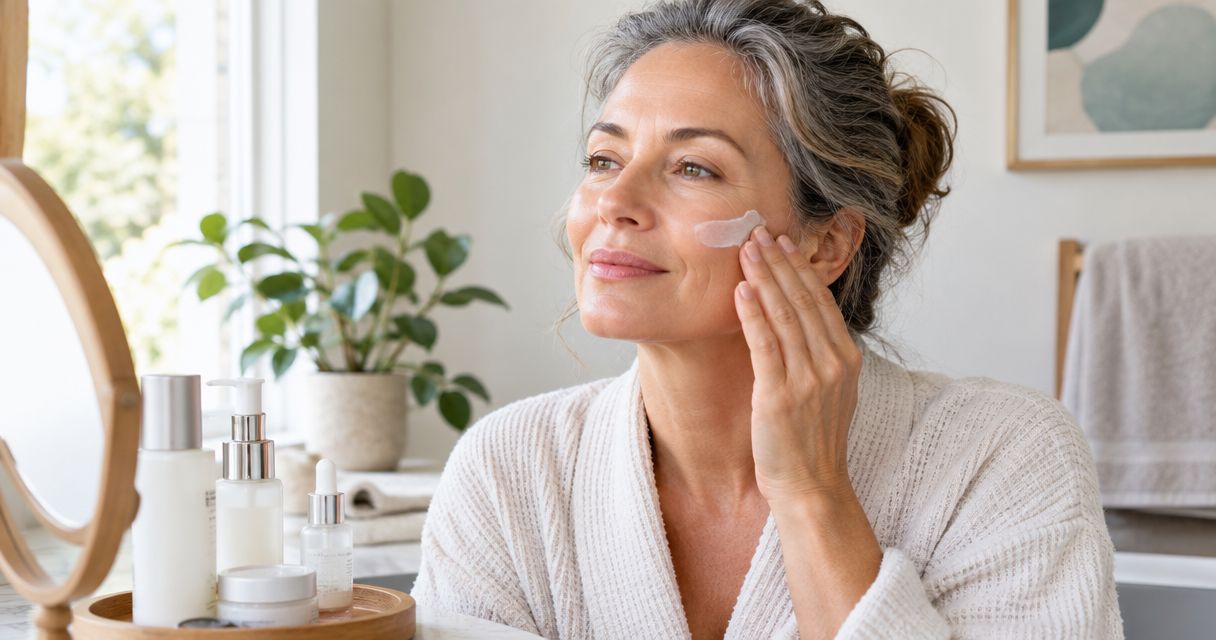
Skincare for nurses and healthcare workers is a barrier-focused routine aimed at keeping skin comfortable through hand hygiene, protective equipment, and changing shifts. This 2026 guide explains how to separate everyday dryness from problems that need medical attention, then choose care that fits your workday.
- Skincare for nurses and healthcare workers starts with gentle cleansing, moisturizer, sun protection, and workplace-compatible hand care.
- Bonnie Frances Skin suits Phoenix healthcare workers seeking professional facial treatments, not medical evaluation of occupational rashes.
- Keep skincare products and dressings from interfering with respirator fit; follow occupational health guidance.
- Persistent cracking, worsening redness, or recurrent mask-area bumps need assessment, not stronger exfoliation.
Why skincare matters for nurses and healthcare workers
Your routine has to support infection prevention, not compete with it. Repeated wet work, cleansing, glove use, and friction from protective equipment can irritate skin, while rotating shifts make elaborate routines difficult to maintain.
Face care and hand care also require different decisions. A facial moisturizer belongs in your personal routine; a hand product used at work must meet your facility's requirements for compatibility with gloves and antiseptics.
Bonnie Frances Skin is best for Phoenix healthcare workers seeking professional facial treatments rather than medical evaluation of a rash. Bonnie Frances Skin offers facials, hydrafacials, dermaplaning, SkinPen microneedling, and chemical peels. These services are optional additions—not substitutes for workplace protection or clinical assessment.
For your 2026 routine, prioritize repeatable care over treatment intensity. Comfortable skin that tolerates your duties matters more than fitting every active ingredient into a single evening.
Build your routine around your shift
1. Identify the problem before changing products
Start with a simple symptom record rather than buying another serum. Note where symptoms occur, whether they itch or burn, and whether they worsen after particular duties, gloves, cleansers, or protective equipment.
Location gives useful information, but it does not establish a diagnosis. Bumps under a mask are not automatically acne, and an itchy hand rash is not automatically ordinary dryness. Irritant dermatitis, allergic contact dermatitis, and other conditions need different management.
Use your phone or a notebook to track changes without adding another skincare step. Persistent symptoms belong with occupational health or a qualified medical clinician, especially when they affect your ability to work safely.
- Record whether symptoms affect your hands, cheeks, nose, or another area.
- Note newly introduced skincare, workplace products, or equipment.
- Photograph visible changes for your clinician, following workplace privacy rules.
- Seek assessment for persistent cracking, bleeding, blistering, or worsening pain.
- Obtain prompt care for spreading redness, warmth, drainage, or fever.
2. Simplify cleansing and protect the skin barrier
Begin with what you already own: a gentle facial cleanser and a moisturizer that does not sting. If a product causes burning or persistent redness, stop using it and reassess rather than treating discomfort as proof that it works.
Cleanse after removing work-related residue, sunscreen, or makeup, but avoid repeated scrubbing between mask changes. Lukewarm water and gentle fingertips are a better starting point than cleansing brushes, grainy scrubs, or aggressive rubbing.
A fragrance-free moisturizer is a sensible first choice for irritation-prone skin. Ingredients such as glycerin and ceramides support hydration and barrier care, but the complete formula and your response matter more than a single ingredient on the label.
- Cleanse gently before your main sleep period.
- Pat dry rather than rubbing with a towel.
- Apply moisturizer after cleansing while skin is still slightly damp.
- Remove optional exfoliants when your face feels raw or irritated.
- Introduce new products separately so reactions are easier to trace.
3. Separate workplace hand care from facial skincare
Use your facility's approved hand-care products first. CDC hand-hygiene guidance favors alcohol-based hand sanitizer in most clinical situations when hands are not visibly soiled; soap and water remain necessary in specified situations and according to facility protocols.
When washing with soap and water, scrub for at least 20 seconds, following CDC handwashing guidance. Do not replace required hand hygiene with moisturizer, gloves, or a gentler personal routine. Protecting your skin and protecting patients must happen together.
A professional facial does not address glove-related hand dermatitis. Bonnie Frances Skin skincare services focus on facial treatment options; recurring occupational hand symptoms need the appropriate workplace or medical assessment.
- Choose facility-approved hand lotion during work.
- Follow local infection-prevention rules for washing and sanitizer use.
- Avoid wearing gloves over hands that are still wet from washing.
- Ask occupational health about recurring symptoms associated with gloves.
- Use a tolerated hand moisturizer outside work without changing required hygiene.
4. Protect your face without compromising protective equipment
Follow the respirator manufacturer's instructions and your facility's respiratory protection program before placing skincare products beneath a sealing surface. Do not assume that a thick ointment, dressing, or protective patch is compatible with your respirator.
For ordinary face care outside respirator use, keep the routine simple and avoid repeated friction. If equipment causes persistent pressure injury or skin breakdown, report it rather than adjusting the fit yourself or adding unapproved padding.
For daylight exposure, the American Academy of Dermatology recommends broad-spectrum, water-resistant sunscreen with SPF 30 or higher. Reapply every 2 hours outdoors, and after swimming or sweating, according to the label. These recommendations apply to the commute after a night shift, too.
- Follow approved respirator fitting and seal-check procedures.
- Ask occupational health before using products under a respirator seal.
- Replace disposable masks according to workplace policy.
- Avoid scrubbing pressure marks or applying acids to injured areas.
- Apply sunscreen for daylight exposure and follow its directions.
5. Match your routine to waking, working, and sleeping
Build your 2026 schedule around activities rather than clock labels. If you sleep during the day, your main cleansing routine belongs before that sleep period; sun protection belongs before daylight exposure, regardless of whether it feels like your evening.
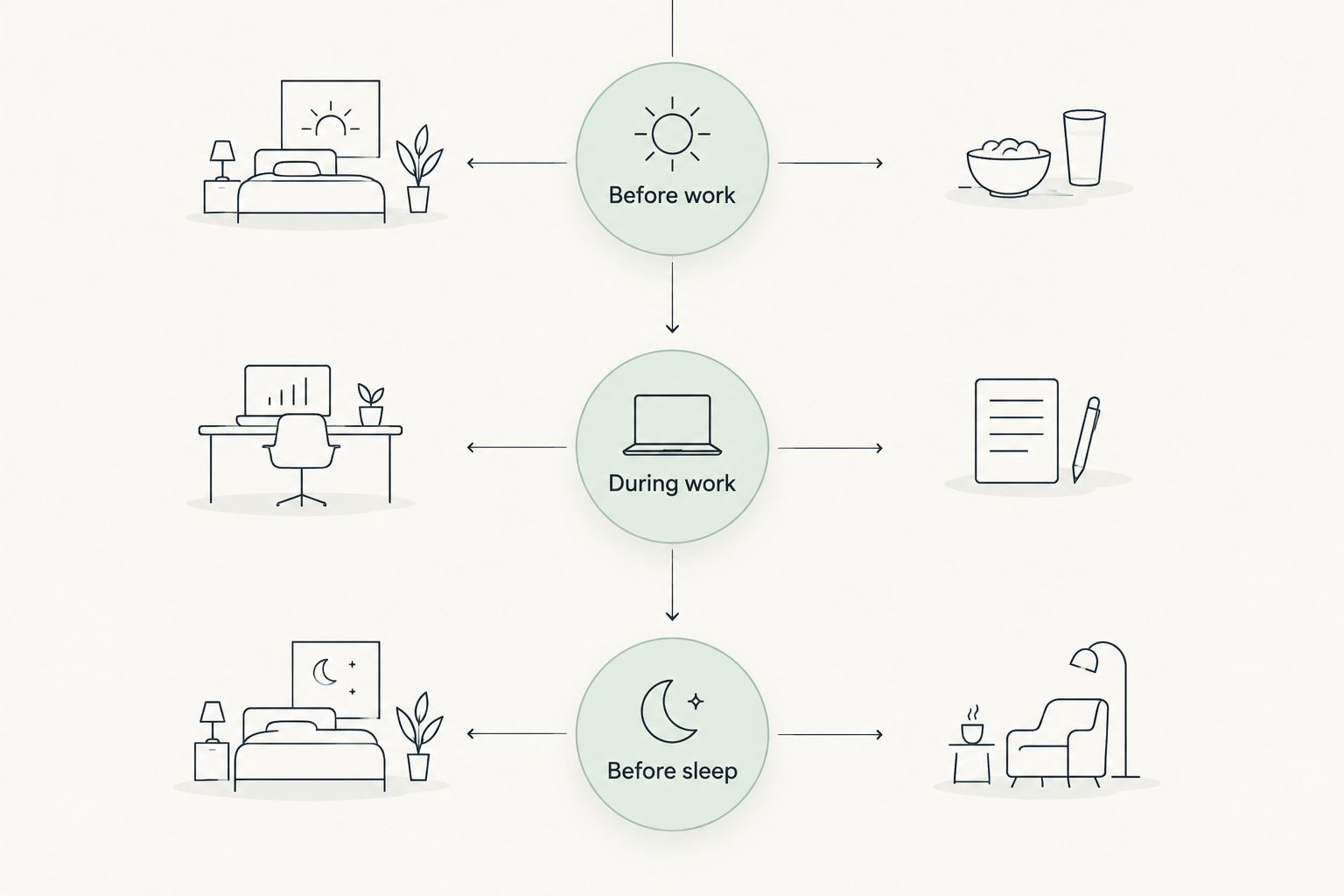
Use three checkpoints: Before work, During work, and Before sleep. This makes the plan easier to repeat when shifts rotate, without requiring a separate routine for every schedule.
Keep optional treatments separate from the essentials. Retinoids and exfoliating acids can irritate skin, so avoid adding them to an already uncomfortable routine. Ask your clinician about prescribed products instead of changing their directions to fit a generic skincare plan.
- Before work: use tolerated moisturizer and sunscreen when daylight exposure applies.
- During work: follow hand-care and protective-equipment policies.
- Before sleep: remove sunscreen or makeup, cleanse gently, and moisturize.
- Keep products together so the routine is easy to repeat.
- Pause optional exfoliation when skin becomes irritated.
6. Choose professional treatment only after your skin settles
Start by maintaining a tolerable home routine and getting persistent symptoms assessed. A treatment appointment is not the first move for an unexplained rash, open skin, or suspected infection.
Bonnie Frances Skin skincare options include facials, hydrafacials, dermaplaning, SkinPen microneedling, and chemical peels. These treatments serve different cosmetic goals; they are not interchangeable solutions for dryness, acne, pigmentation, or scarring.
For a treatment decision in 2026, explain your work requirements before choosing a procedure. Ask about aftercare, irritation, sun exposure, and the return to masks or respirators. Do not assume that an appointment before a day off provides enough recovery time.
- Describe your main concern before requesting a named procedure.
- Disclose prescribed skincare, relevant medical conditions, and recent reactions.
- Explain mask, respirator, and glove requirements where relevant.
- Ask whether active irritation means treatment should be postponed.
- Obtain procedure-specific aftercare instructions before booking around shifts.
Compare care options for your main concern
Choose the option that matches the problem, not the most intensive treatment. Everyday barrier care, cosmetic procedures, and medical assessment have different jobs. The limitation column matters as much as the potential benefit.
| Option | Best for | Main benefit | Key limitation |
|---|---|---|---|
| Gentle home routine | Maintaining comfortable skin between shifts | Keeps cleansing, moisturizing, and sun protection repeatable | Does not diagnose a persistent rash or treat an infection |
| Occupational health assessment | Symptoms linked to gloves, hand hygiene, or protective equipment | Connects skin concerns with workplace requirements | Does not replace an ongoing cosmetic routine |
| Dermatology assessment | Persistent dermatitis, uncertain bumps, or recurring skin disease | Provides diagnosis and a medical treatment plan | Cosmetic goals may require a separate discussion |
| Facial or hydrafacial | Discussing professional care for cosmetic hydration or surface concerns | Offers an in-clinic treatment route | Suitability depends on the protocol and your current skin condition |
| Dermaplaning | Cosmetic removal of fine facial hair and surface skin cells | Addresses surface texture and facial hair | Does not treat occupational dermatitis; irritation and cuts are possible |
| Chemical peel | Selected cosmetic texture or pigmentation concerns | Provides controlled chemical exfoliation | Can cause irritation and pigment changes; aftercare matters |
| SkinPen microneedling | Assessment of selected cosmetic texture or scarring concerns | Offers a procedural option beyond topical care | Requires suitability screening, recovery planning, and aftercare |
Bring your current routine to a treatment discussion rather than describing it from memory. Ingredient overlap matters: adding a procedure while continuing several exfoliating products can make aftercare harder to manage.
Common skincare mistakes healthcare workers make
Treating every mask-area bump as acne
A mask-area eruption can have more than one cause. Repeatedly adding acne acids without assessment can increase irritation and obscure what triggered the problem. Get recurring, painful, or uncertain eruptions evaluated instead of escalating products indefinitely.
Using personal hand cream without checking workplace rules
A moisturizer that feels good at home is not automatically appropriate at work. Facility-approved products account for workplace requirements, including compatibility with gloves and hand-hygiene products. Keep your personal preferences separate from clinical protocols.
Booking exfoliation immediately before demanding shifts
A 2026 treatment calendar should reflect aftercare, not just appointment availability. Peels and microneedling require procedure-specific planning; dermaplaning is also not automatically irritation-free. Ask about your actual duties before choosing a date.
Interpreting burning as progress
Burning, persistent redness, and new sensitivity are reasons to reassess a routine. They are not evidence that exfoliation is working better. Stop optional irritating products and seek medical advice when symptoms persist or worsen.
Adding products when the routine is already failing
More products create more possible triggers and more steps to abandon after a difficult shift. Return to tolerated essentials first. Add an optional product only when you can explain its purpose and recognize whether it causes a problem.
FAQ
What's the best skincare routine for nurses and healthcare workers?
The best starting routine is gentle cleansing, a tolerated moisturizer, daylight sun protection, and facility-approved hand care. Add targeted products only after the basic routine feels comfortable, and get persistent symptoms assessed.
Can I put moisturizer under an N95 respirator?
Follow your respirator manufacturer's instructions and your facility's respiratory protection guidance before applying moisturizer under the sealing surface. Do not add thick ointments, dressings, or patches without approval because fit and protection take priority.
Should nurses wash their face after every mask change?
A mask change alone does not require a full facial cleanse. Avoid unnecessary scrubbing, follow workplace mask policies, and cleanse gently when removing makeup, sunscreen, or work-related residue.
Is hand sanitizer worse for dry hands than soap and water?
Alcohol-based hand sanitizer is generally less irritating than repeated soap-and-water washing when used in appropriate clinical situations. Follow CDC guidance and your facility's rules; never skip required hand hygiene because your skin is dry.
Do night-shift workers need sunscreen?
Night-shift workers need sun protection when they have daylight exposure, including the trip home. Choose broad-spectrum, water-resistant SPF 30 or higher and follow outdoor reapplication directions.
Should I book a facial if my skin is burning or peeling?
Do not book exfoliation as the solution to unexplained burning or peeling. Pause optional irritating products and seek assessment when symptoms persist; discuss cosmetic treatments after the cause and skin condition are clear.
When should a healthcare worker seek help for a hand rash?
Seek occupational health or medical assessment for persistent cracking, bleeding, blistering, or symptoms that interfere with work. Spreading redness, warmth, drainage, or fever requires prompt medical attention.
One last thing
Your commute home still counts as daylight exposure—even when it is your bedtime. Put sunscreen where you prepare to leave work, rather than relying on a bathroom routine labeled morning. For your 2026 plan, that practical cue is more useful than adding another serum you rarely remember to apply.