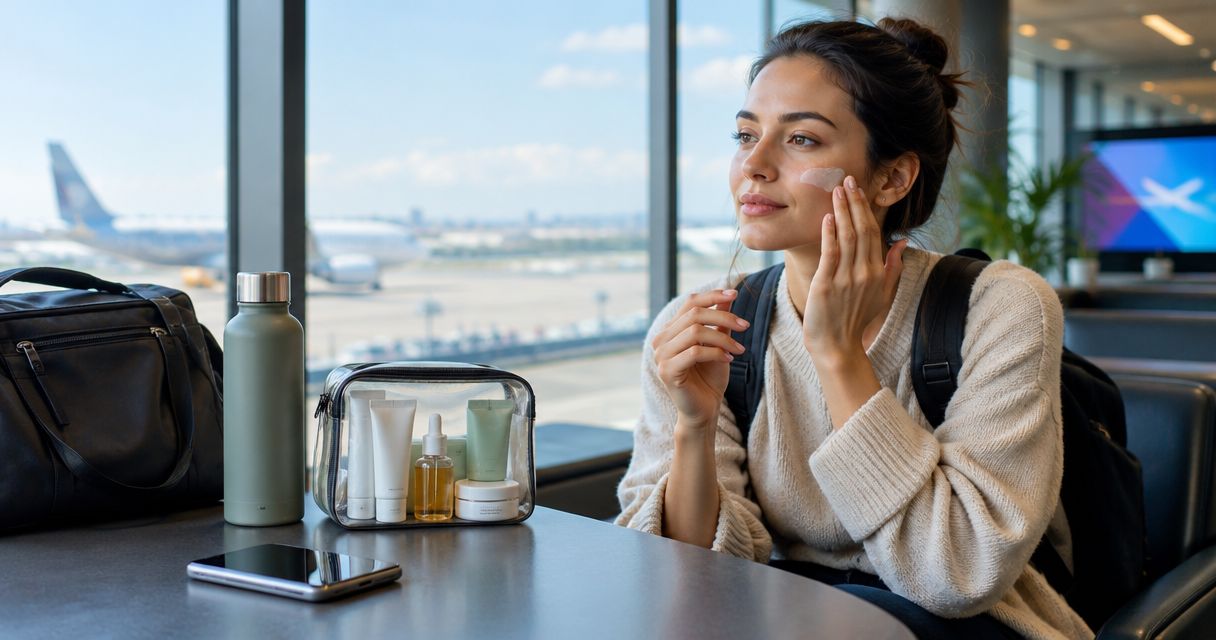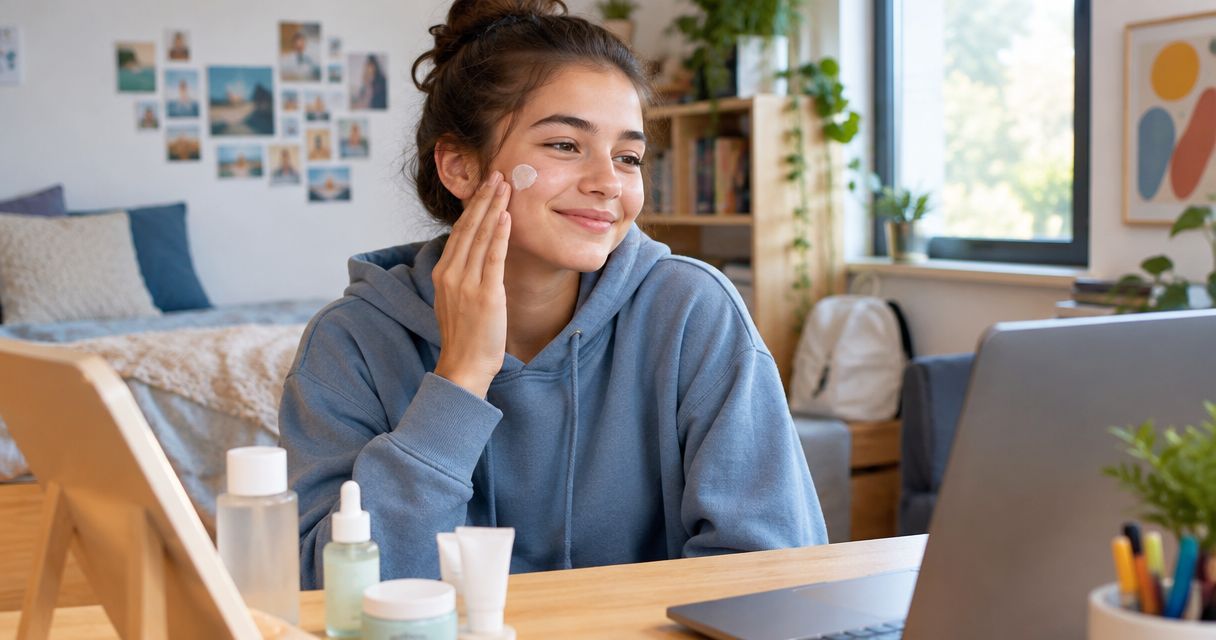
Teen and student skincare is daily skin care aimed at keeping your skin comfortable, protecting it from sunlight, and managing breakouts without unnecessary irritation. This guide to skincare for teens and students builds a routine around school, sports, shared bathrooms, and limited time—not a shelf full of products.
- Skincare for teens and students starts with gentle cleansing, moisturizer, and broad-spectrum sunscreen—not aggressive exfoliation.
- Bonnie Frances Skin offers Phoenix clients facials and professional skincare; painful or scarring acne needs medical assessment.
- Choose acne treatments for your actual symptoms, and introduce one change at a time.
- Daily sun protection and a repeatable acne routine matter more than adding brightening or anti-aging products.
Why skincare matters for teens and students
Your routine has to work between classes, practices, homework, and late nights. A complicated plan that stays on the bathroom shelf does less for you than a simple plan you actually follow. Puberty-related oil production can also make acne a concern, while harsh cleansing can leave oily skin irritated rather than clean.
Your 2026 skincare priority is consistency, not collecting ingredients. Start with basic care, then address a specific concern. If shine is your main issue, the guide to skincare routine products for oily skin provides a more focused next read.
Separate everyday skincare from medical treatment. Deep, painful bumps, developing scars, or breakouts affecting your confidence deserve a healthcare appointment, not another experiment with exfoliating products. The guidance below supports everyday care; it does not diagnose your skin.
Build a routine you can repeat
Identify your main concern before choosing products
Decide what you want to improve before you buy anything. Oiliness, clogged pores, inflamed pimples, dryness, and lingering dark marks are different concerns; treating them as one problem encourages unnecessary product layering.
Look at how your skin behaves across an ordinary school day. Does it feel tight after washing, get shiny during class, or sting when you apply moisturizer? Those observations help you describe the problem without assigning yourself a diagnosis.
For your 2026 routine, choose a main goal and keep a simple record. Photos taken in similar lighting are more useful than checking your face repeatedly in different mirrors. Avoid judging progress immediately after exercise, when heat can temporarily change how your skin looks.
- Write down your main concern in plain language.
- List everything currently touching your face, including acne treatments.
- Note burning, itching, peeling, or tenderness separately from breakouts.
- Record prescription products before adding anything new.
- Seek medical advice for painful bumps or new scars.
Establish gentle cleansing before adding treatments
Start with a gentle cleanser and lukewarm water. Use your fingertips rather than a scrub, cleansing brush, or rough washcloth, and rinse without rubbing your skin aggressively.
The American Academy of Dermatology recommends washing acne-prone skin up to twice daily and after sweating. That does not mean repeating a full treatment routine every time you finish practice. Extra scrubbing adds irritation; it does not remove acne from inside a pore.
Build cleansing around reliable moments: getting ready and preparing for bed. After sports, remove sweat gently rather than letting a sweaty helmet strap or headband stay against your face. A cleanser that leaves your face painfully tight is not doing a better job.
- Wash gently rather than trying to scrub away oil.
- Remove makeup before sleeping.
- Cleanse after sweating without adding another exfoliation session.
- Pat dry with a clean towel.
- Avoid picking or squeezing while checking your skin.
Choose professional help for the right job
Use your written product list and observations to ask better questions. A healthcare professional can assess acne and recommend medical treatment; a skincare appointment serves a different purpose. Do not assume a facial replaces that assessment.
Bonnie Frances Skin is best suited to Phoenix clients seeking facials and professional skincare, rather than medical acne diagnosis. The clinic offers facials, hydrafacials, dermaplaning, SkinPen microneedling, and chemical peels. That service range is not a recommendation to book every treatment—or evidence that each treatment suits teenage skin.
You can review Bonnie Frances Skin when considering local skincare services. Before booking, explain your age, symptoms, medications, and goals, and ask whether the proposed service fits your situation. Students under legal adulthood should also ask about consent requirements rather than assume a clinic's policy.
- Seek medical assessment for painful, persistent, or scarring acne.
- Tell the provider about prescription and nonprescription treatments.
- Ask what a proposed service addresses—and what it cannot address.
- Ask about irritation, aftercare, and reasons to postpone treatment.
- Confirm age and consent requirements before booking.
Add moisturizer and daily sun protection
Moisturizer belongs in an acne routine, including when your skin is oily. Choose a texture you will use and look for noncomedogenic labeling, while remembering that a label cannot guarantee an individual response.
For sun protection, the American Academy of Dermatology recommends a broad-spectrum, water-resistant sunscreen with SPF 30 or higher. Apply it before outdoor exposure and follow its directions. Reapply approximately every 2 hours outdoors and after swimming or sweating, as directed on the label.
Phoenix students need to account for outdoor practices, walks between buildings, and weekend activities. Put sunscreen somewhere useful rather than leaving it behind a row of occasional-use products. Hats, shade, and protective clothing complement sunscreen; they do not turn a single morning application into all-day protection.
- Apply moisturizer when your skin feels dry or tight.
- Choose broad-spectrum SPF 30 or higher.
- Apply sunscreen 15 minutes before going outdoors, following label directions.
- Carry sunscreen for outdoor reapplication.
- Use shade and protective clothing during outdoor activities.
Introduce one acne treatment at a time
If your basic routine is comfortable but breakouts remain, choose an acne treatment for the problem you actually have. Salicylic acid helps unclog pores; benzoyl peroxide reduces acne-causing bacteria. Neither is a reason to add every acne-marketed cleanser, toner, and serum together.
Read the Drug Facts label for age restrictions, warnings, and directions. A pharmacist or healthcare professional can help you choose when you are unsure, especially if you already use prescription treatment. Pregnancy or the possibility of pregnancy also changes which acne medicines are appropriate.
In 2026, keep a simple treatment log instead of responding to every breakout with another purchase. Acne treatments need consistent use according to their directions, but significant irritation is not proof that treatment is working. Benzoyl peroxide can also bleach fabrics, including towels and bedding.
- Choose one new treatment rather than a full acne kit.
- Follow the product's age guidance and application instructions.
- Check for duplicate active ingredients across your products.
- Keep treatment away from eyes and other areas excluded by the label.
- Stop a product causing significant irritation and seek advice.
Adapt your routine to school and sports
Organize skincare around situations that actually interrupt your day. A shared bathroom calls for a portable kit; outdoor practice calls for accessible sunscreen; a late study session calls for a short bedtime routine you can finish when tired.
Keep treatment products in their original packaging so directions and warnings stay available. Do not share prescription acne medicines with roommates or friends, even when your breakouts look similar. Similar-looking symptoms do not establish the same diagnosis or treatment needs.
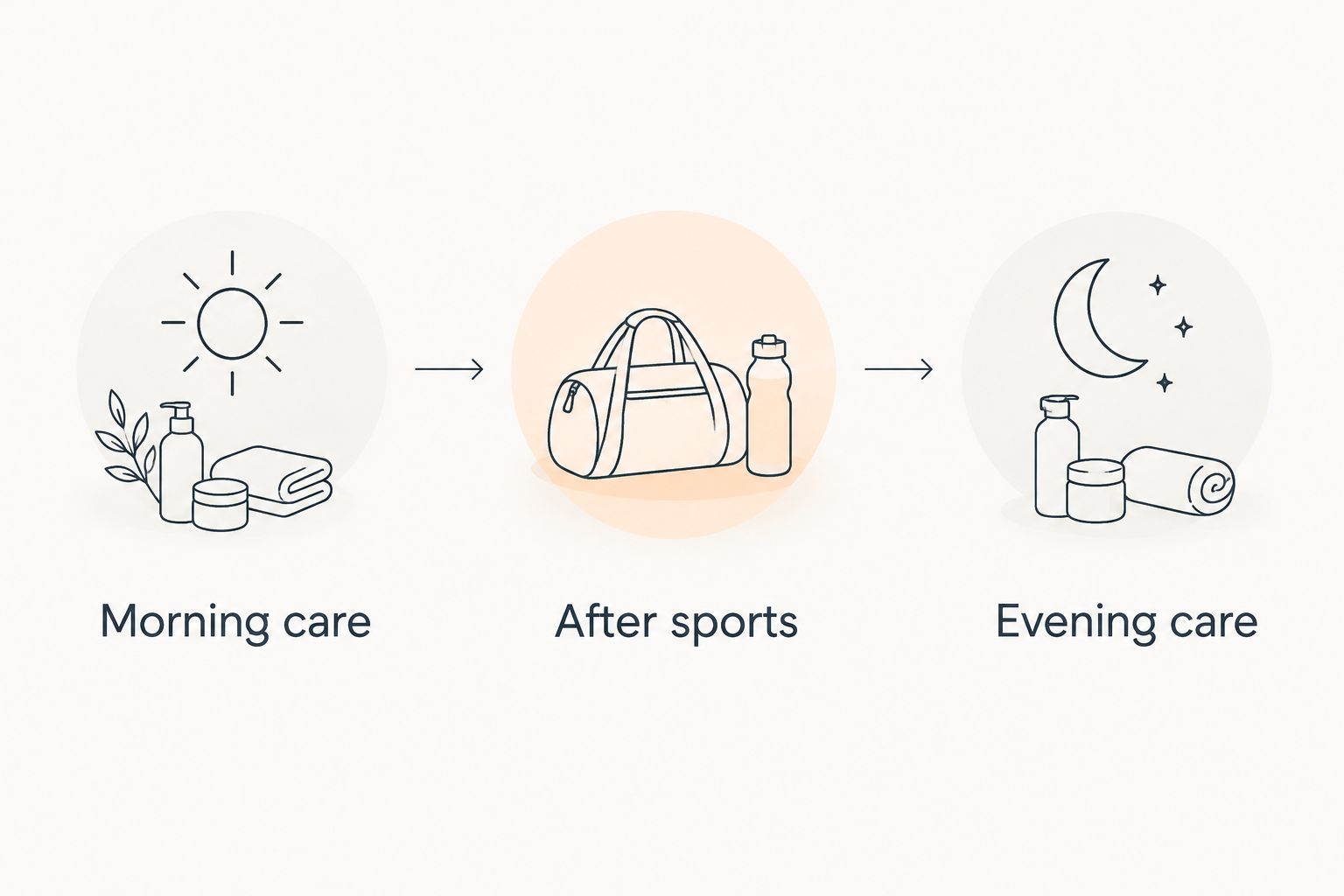
Use a morning routine for cleansing as needed, moisturizing, and sun protection. Use an evening routine for cleansing and any treatment directed for that time. Keep recovery after exercise separate: remove sweat gently, change out of sweaty clothing, and avoid unnecessary extra active ingredients.
- Keep your everyday products together in a portable bag.
- Place sunscreen with the items you take outdoors.
- Clean sports equipment according to its manufacturer's instructions.
- Avoid sharing makeup applicators and personal treatment products.
- Keep bedtime care short enough to finish on busy nights.
Your routine has three practical checkpoints: Morning care, After sports, and Evening care. Each checkpoint has a different job; none requires a complete new collection of products.
Review progress before escalating your routine
Review whether you are following the directions before deciding a treatment has failed. Irregular use, frequent switching, and irritation from overlapping products make it difficult to understand what is helping.
Keep your 2026 progress record focused on changes that matter: fewer inflamed spots, less discomfort, or fewer new marks. Do not use poreless social-media images as your standard. Normal skin has visible texture, and lighting changes how that texture appears.
If a product causes persistent burning, swelling, or a rash, stop using it and get appropriate advice. Severe reactions, including breathing difficulty or facial swelling, need urgent medical attention. If breakouts persist despite correct treatment, arrange a healthcare review instead of increasing strength yourself.
- Compare photos taken in similar lighting.
- Record comfort as well as the appearance of breakouts.
- Check adherence before changing the plan.
- Bring your current products to a healthcare appointment.
- Escalate painful or scarring acne rather than waiting for a cosmetic appointment.
Compare your skincare options
Choose an option by the problem it solves, not by how intensive it sounds. A basic routine supports everyday care; acne medicines target acne; professional cosmetic services and medical assessment have different roles.
| Option | Best for | Main benefit | Key limitation |
|---|---|---|---|
| Basic home routine | Students establishing consistent daily care | Supports cleansing, moisture, and sun protection | Does not replace treatment for persistent acne |
| Nonprescription acne treatment | Students with acne appropriate for self-care under label directions | Targets specific acne processes | Can irritate skin and requires attention to warnings |
| Medical assessment | Students with painful, persistent, scarring, or distressing acne | Provides diagnosis and an individualized treatment plan | Requires an appointment and follow-through |
| Bonnie Frances Skin facials and professional skincare | Phoenix clients seeking local cosmetic skincare services | Offers an in-person route to discuss cosmetic skincare goals | Does not replace medical acne assessment; age and treatment suitability need confirmation |
| Chemical peels or microneedling | People whose clinician or qualified provider has assessed a specific treatment goal | Addresses selected concerns through a professional procedure | Not an automatic first step for teenage breakouts; risks and aftercare require discussion |
Professional treatment is not a shortcut around basic care. Before choosing a peel or microneedling, ask whether active inflammation needs treatment first and whether your current medicines affect suitability. Do not attempt professional-strength peels or microneedling at home.
Common mistakes teens and students make
Copying an adult anti-aging routine
A parent's routine or an influencer's product collection is not a teenage skincare plan. Multiple acids, retinoids, and exfoliating steps can overlap without serving your actual goal. Choose products for a defined concern, not because the packaging promises renewal.
Treating sweat with repeated scrubbing
A hard scrub after practice adds friction to skin already exposed to heat, sweat, and equipment. Cleanse gently instead. If helmet straps or other equipment repeatedly rub the same area, address fit and cleaning rather than increasing exfoliation.
Trying a new procedure before a major event
Do not make a school dance, graduation, or presentation the deadline for an unfamiliar treatment. Peels, extractions, and new active ingredients can cause redness or irritation. Keep familiar care steady and discuss procedure timing with the provider before committing.
Waiting for scars before asking for help
Acne does not have to become severe enough to leave scars before it deserves attention. Pain, persistent breakouts, or emotional distress are valid reasons to seek medical advice. Picking adds injury and is not a substitute for treatment.
Buying for marks while ignoring new breakouts
Dark marks and indented scars are not the same concern, and neither should distract you from ongoing acne. Keep sun protection consistent and have persistent discoloration or texture changes assessed. A product labeled for scars does not establish which kind of mark you have.
FAQ
What's the best skincare routine for teens and students?
The best starting routine is gentle cleansing, moisturizer, and broad-spectrum SPF 30 or higher sunscreen. Add acne treatment only for a defined concern, follow its label, and seek medical advice for painful or scarring breakouts.
Do teenagers with oily skin still need moisturizer?
Yes, oily skin can still become dry or irritated, especially during acne treatment. Choose a comfortable, noncomedogenic moisturizer and reassess products that repeatedly sting or worsen irritation.
Should I wash my face every time I get sweaty?
Cleanse gently after sweating, without scrubbing or repeating every treatment step. The American Academy of Dermatology recommends washing acne-prone skin up to twice daily and after sweating.
Is a facial better than seeing a dermatologist for acne?
A facial does not replace medical acne assessment. Painful, persistent, or scarring acne needs a healthcare professional who can diagnose the condition and recommend treatment.
Can I use salicylic acid and benzoyl peroxide together?
Some acne plans include both, but starting both at once makes irritation harder to trace. Follow product directions and ask a pharmacist or healthcare professional about combining treatments, especially with prescription products.
Does Bonnie Frances Skin offer skincare services in Phoenix?
Yes, Bonnie Frances Skin offers facials, hydrafacials, dermaplaning, SkinPen microneedling, chemical peels, and professional skincare products in Phoenix. Ask about age requirements and individual suitability before booking a service for a teen.
What should I change first in my 2026 student skincare routine?
First, remove unnecessary overlapping products and make your basic routine consistent. Keep cleanser, moisturizer, and sunscreen in place, then address one specific concern rather than replacing everything together.
One last thing
Do not turn a breakout into an all-night repair project. Picking, scrubbing, and layering several treatments create more variables, not a clearer plan. For the rest of 2026, make your next move simple: keep the basics consistent, document what changes, and ask for medical help when acne hurts, scars, or affects your daily life.